- Trip Overview
What's included
- Professionally guided tour
- Visa arrangements
How to Train for Kilimanjaro: Complete Preparation Guide
Climbing Mount Kilimanjaro is one of the most rewarding adventures on Earth, but it’s not just about booking the right route — it’s about training your body and mind to handle the altitude, distance, and changing climate zones. Whether you’re a seasoned trekker or a first-time climber, proper preparation significantly improves your summit chances and makes the journey far more enjoyable.
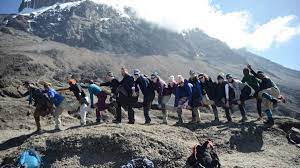
Here’s a complete guide on how to train for Kilimanjaro, including physical fitness, altitude adaptation, mental readiness, and what you should start doing months before your trek.
Why You Need to Train for Kilimanjaro
While Kilimanjaro is a non-technical climb (no ropes or climbing gear required), it demands excellent endurance, strength, and mental stamina. The biggest challenge isn’t the trail itself — it’s the altitude, which can cause Acute Mountain Sickness (AMS). The better your body is prepared, the better it can adapt to the thin air at high elevations.
Book this Tour with Kilinge Adventures
Apart from this, you may read and write some reviews for us from Safari Bookings.
1. Training Timeline
Start training at least 8–12 weeks before your climb, ideally even 4–6 months ahead. This allows your body to gradually build the strength and stamina required.
Suggested Timeline:
-
4–6 months before: Start basic aerobic workouts and walking longer distances
-
2–3 months before: Increase elevation and backpack weight
-
Last month: Begin long hikes and simulate multi-day walking
-
Final 2 weeks: Begin tapering and allow your body to recover
2. Types of Training
A. Cardiovascular (Endurance) Training
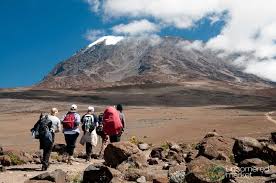
You’ll be walking 4–8 hours per day on the mountain, often uphill. Build your cardiovascular endurance with:
-
Hiking or trekking on trails
-
Stair climbing or hill repeats
-
Jogging, brisk walking, or cycling
-
Swimming or rowing (as cross-training)
Aim for 3–4 cardio sessions per week, lasting 45–60 minutes. Include a mix of steady pace and interval training.
B. Strength Training
Strong legs and core muscles reduce fatigue and improve stability on rough terrain.
Key areas to focus on:
-
Legs: Squats, lunges, step-ups, leg presses
-
Core: Planks, crunches, mountain climbers
-
Back & shoulders: Deadlifts, rows, shoulder presses (important for carrying a daypack)
Do 2–3 strength workouts per week, with proper rest between sessions.
C. Hiking with a Backpack
Train specifically for the trek by simulating actual conditions:
-
Hike on trails with your daypack (5–8kg).
-
Include elevation gain if possible.
-
Practice multi-day hikes or back-to-back long walks.
This helps your feet, back, and shoulders adapt to prolonged strain.
D. Flexibility and Balance
Incorporate yoga, dynamic stretching, and balance exercises to prevent injuries and improve movement control on rocky paths.
3. Mental Preparation
Mental strength is just as important as physical fitness. The summit night is long, cold, and mentally taxing.
Prepare your mind by:
-
Practicing mindfulness or meditation
-
Visualizing summit success
-
Doing cold-weather hikes
-
Accepting discomfort (wind, sweat, sore muscles)
Train in uncomfortable conditions to build resilience.
4. Acclimatization Strategy
Even the fittest trekkers can struggle with altitude sickness. Since you can’t fully simulate high altitude at home, the following helps:
-
Choose a longer Kilimanjaro route (7–9 days) to acclimatize gradually.
-
Practice hiking at altitude if you live near mountains.
-
Consider pre-acclimatization trips or a portable altitude tent.
-
Speak to your doctor about Diamox (acetazolamide), which helps with acclimatization.
5. Nutrition and Hydration Habits
Start fueling your training just like you’ll need to during the trek:
-
Eat high-energy meals with proteins and complex carbs
-
Stay well-hydrated (2.5–3L water daily)
-
Practice eating small snacks during hikes
Hydration is essential for altitude adjustment.
6. What to Track During Training
Keep a log of:
-
Weekly cardio duration
-
Weekly strength training sets
-
Longest hikes and total elevation gain
-
How your body responds (fatigue, soreness)
-
Backpack weight
Apps like Strava or Garmin Connect can help monitor progress.
7. Training Example Plan (8 Weeks)
Weeks 1–2:
-
3x cardio (30–45 min brisk walking/jogging)
-
2x strength (bodyweight exercises)
-
1x weekend hike (2–3 hrs)
Weeks 3–4:
-
4x cardio (45–60 min, mix of stairs and jogging)
-
2x strength (add weights)
-
1x hike (4–5 hrs, light backpack)
Weeks 5–6:
-
4x cardio (include elevation)
-
2x strength + core
-
1 long hike (6–7 hrs, 5–6kg pack)
Weeks 7–8:
-
Reduce intensity to allow recovery
-
1–2 easy hikes
-
Gentle strength and stretching
-
Focus on sleep and hydration
 Final Tips for Kilimanjaro Training
✅ Be consistent — steady progress beats intense bursts
✅ Rest and allow muscle recovery
✅ Break in your hiking boots during training
✅ Train at high altitude if accessible
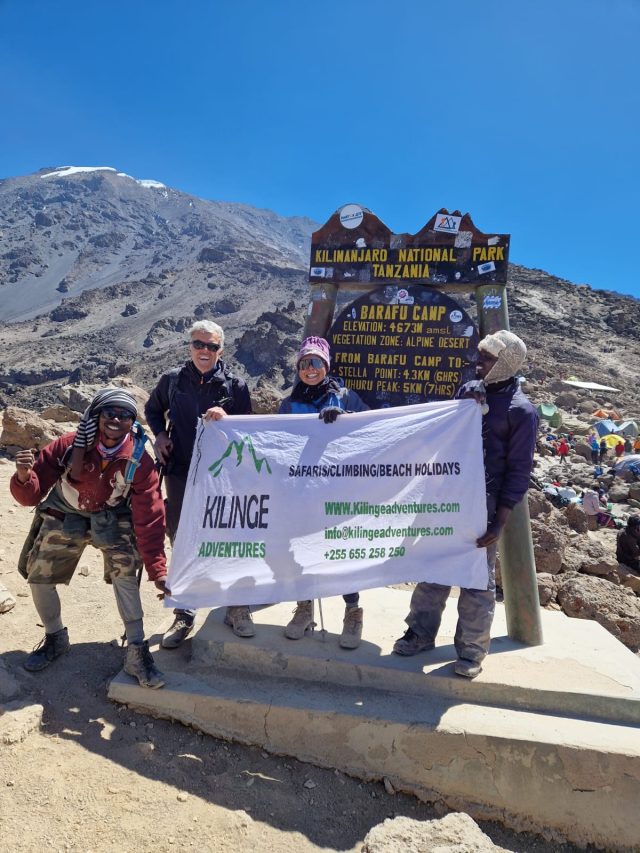
✅ Stay motivated by visualizing the summit
FAQs About Training for Kilimanjaro
Do I need to be an athlete to climb Kilimanjaro?
No. With the right training, people of all fitness levels — even in their 60s or 70s — successfully reach the summit.
How far will I walk each day?
Most days are 5–12km (3–8 miles), with summit day being 12–15 hours round trip.
Should I work with a personal trainer?
A fitness coach can help tailor your plan, but it’s not required if you stay disciplined.
Conclusion
Training for Kilimanjaro is the foundation of a safe, enjoyable, and successful climb. With proper endurance, strength, and altitude strategy, you’ll not only increase your summit chances but also enjoy every step of Africa’s tallest peak. Start training today — Kilimanjaro awaits!