- Trip Overview
What's included
- Professionally guided tour
- Visa arrangements
Kilimanjaro Gear Checklist: What to Pack for a Safe and Successful Climb
Conquering Mount Kilimanjaro requires not only mental and physical preparation, but also the right gear. Weather conditions vary drastically as you ascend through five climate zones, from tropical rainforest to arctic summit. Bringing the proper equipment ensures comfort, warmth, and safety.
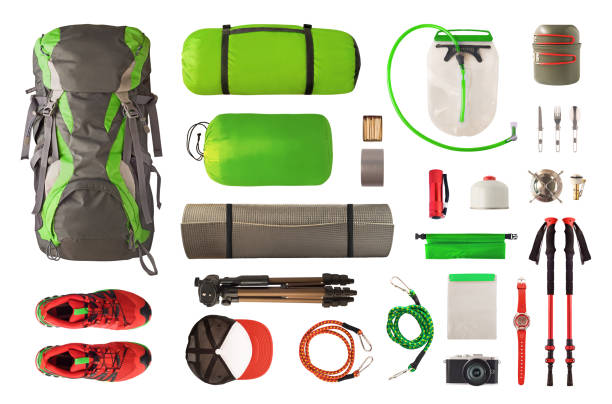
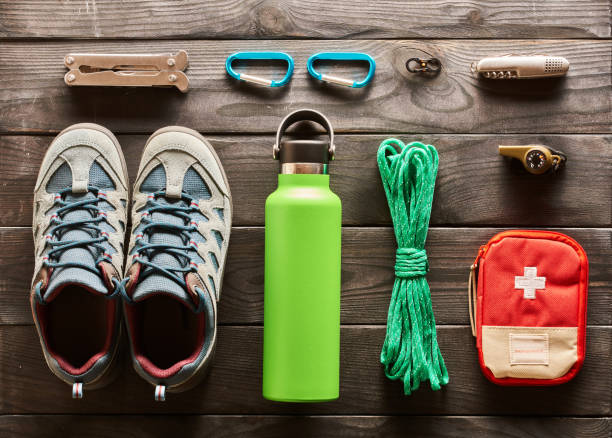
This comprehensive Kilimanjaro gear checklist outlines everything you need to pack for a successful trek—from headwear to footwear, clothing layers, toiletries, and documents.
Book this Tour with Kilinge Adventures
Apart from this, you may read and write some reviews for us from Safari Bookings.
Essential Gear Categories
To simplify your packing, gear is divided into the following categories:
-
Clothing (base, insulation, outer layers)
-
Footwear
-
Head and handwear
-
Sleeping gear
-
Trekking gear and equipment
-
Toiletries and personal items
-
Documents and miscellaneous
1. Clothing Layers
Base Layers (Moisture-wicking)
-
2 thermal tops (synthetic or merino wool)
-
2 thermal bottoms
-
3–4 breathable hiking shirts
-
2 hiking pants
Insulation Layer
-
1 fleece jacket or down jacket
-
1 insulated synthetic or down mid-layer
-
1 pair fleece pants (for cold camps)
Outer Layer (Shells)
-
Waterproof and windproof jacket (Gore-Tex or similar)
-
Waterproof pants (full side zips preferred)
2. Footwear
-
Waterproof hiking boots (broken-in, not new)
-
Camp shoes or sandals (for relaxing in camp)
-
3–4 pairs of wool or synthetic hiking socks
-
1–2 pairs of liner socks (for layering)
3. Head and Handwear
-
Warm beanie or wool hat
-
Wide-brim sun hat or cap
-
Neck gaiter or Buff
-
Balaclava or face mask (for summit night)
-
UV-protection sunglasses (category 3 or 4)
-
Warm gloves (fleece or insulated)
-
Waterproof over-mittens (windproof and insulated)
4. Sleeping Gear
-
Four-season sleeping bag (rated to -10°C to -20°C or 0°F)
-
Sleeping bag liner (adds warmth and keeps bag clean)
-
Inflatable or foam sleeping pad (optional—most outfitters provide)
5. Trekking Equipment
-
Daypack (25–35L capacity with rain cover)
-
Large duffel bag (70–100L, carried by porters)
-
Trekking poles (collapsible and shock-absorbing)
-
Hydration system (3L minimum: 2L hydration bladder + water bottle)
-
Headlamp with extra batteries
-
Dry bags or plastic zip bags (to keep gear dry)
6. Toiletries and Personal Items
-
Toothbrush & toothpaste
-
Biodegradable soap or body wipes
-
Sunscreen (SPF 50+)
-
Lip balm with SPF
-
Toilet paper and small zip bags for waste
-
Hand sanitizer
-
Quick-dry towel
-
Small first aid kit (with blister plasters, band-aids, painkillers)
7. Medications and Health
-
Personal medications (with prescription if needed)
-
Diamox (if recommended by your doctor for altitude)
-
Ibuprofen or paracetamol
-
Anti-nausea tablets (if prone to altitude symptoms)
-
Electrolyte tablets or powder
-
Throat lozenges (for dry high-altitude air)
8. Documents and Miscellaneous
-
Valid passport
-
Copy of travel insurance (with evacuation cover)
-
Yellow fever certificate (if required)
-
Visa (if not arranged beforehand)
-
Cash in USD (tips, snacks, souvenirs)
-
Pen and notebook (for journaling)
-
Camera or smartphone with charger
-
Power bank or solar charger
-
Plug adapter (Type G or D for Tanzania)
Optional But Useful Items
-
Gaiters (for mud or snow protection)
-
Extra camera batteries (cold drains power fast)
-
Snacks (nuts, energy bars, dried fruit)
-
Energy gels or rehydration salts
-
Lightweight book or Kindle
-
Earplugs and eye mask (for noisy camps)
Packing Tips
-
Use packing cubes or dry bags to stay organized.
-
Your daypack should carry items you need during the day: water, snacks, rain gear, camera, sunblock, and fleece.
-
Your main duffel is carried by porters and should not exceed 15 kg (33 lbs).
-
Label your bags and keep valuables with you.
Final Thoughts
Packing for Kilimanjaro is all about layering, quality gear, and preparedness for rapid weather changes. Invest in the right equipment and test it before the climb. Reliable gear means better sleep, warmer nights, safer trekking, and a more enjoyable climb.
FAQs About Kilimanjaro Packing
Do I need to bring a tent or mattress?
No. Reputable operators provide tents and sleeping mats. You’ll only need your sleeping bag and optional liner.
Can I rent gear in Tanzania?
Yes, most items like jackets, sleeping bags, and poles can be rented in Moshi or Arusha. However, personal gear (boots, base layers, gloves) should be your own.
How cold is it on summit night?
Temperatures can drop to -10°C to -20°C (14°F to -4°F) with strong windchill. Dress in layers and cover all exposed skin.