- Trip Overview
What's included
- Professionally guided tour
- Visa arrangements
Kilimanjaro Success Rate by Route: Which Is the Best Route to Summit?
When planning your Kilimanjaro climb, one of the most important factors to consider is the success rate of the route you choose. Each route up Africa’s tallest mountain has a different duration, acclimatization profile, and trail difficulty — all of which influence your chance of reaching the summit.
In this guide, we break down the summit success rate for each major Kilimanjaro route, explain the reasons behind those differences, and help you choose the best route for your ability and goals.
Book this Tour with Kilinge Adventures
Apart from this, you may read and write some reviews for us from Safari Bookings.
Why Does the Success Rate Vary by Route?
The main factor that affects summit success is how well your body can acclimatize to high altitude. Routes that offer:
-
More days on the mountain,
-
Gradual elevation gain, and
-
Built-in acclimatization hikes
…generally have much higher summit success rates than shorter or steeper trails.
Kilimanjaro Routes & Their Average Success Rates
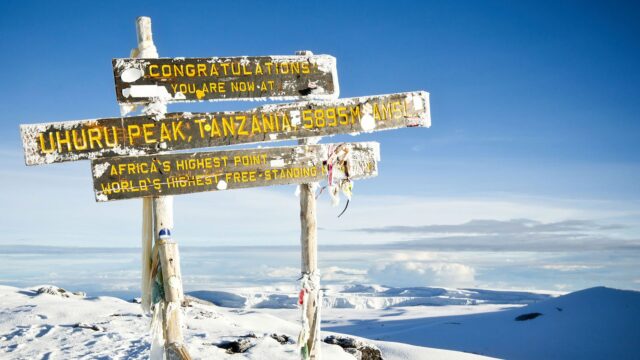
🗻 Success rate = Percentage of climbers who reach Uhuru Peak (5,895 meters)
1. Northern Circuit Route (8–9 days)
Success Rate: ★★★★☆ 90%–95%
Overview:
-
Longest route with the best acclimatization
-
Circumnavigates Kilimanjaro from the west to the north
-
Low traffic, scenic, and excellent for gradual adaptation
✅ Best for: Those who want a high chance of summit success and scenic solitude.
2. Lemosho Route (7–8 days)
Success Rate: ★★★★☆ 85%–90%
Overview:
-
Approaches from the west
-
Highly recommended for first-time climbers
-
Excellent acclimatization profile and beautiful views
✅ Best for: Hikers who want a mix of scenery, success, and comfort.
3. Machame Route (6–7 days)
Success Rate: ★★★☆☆ 75%–85%
Overview:
-
Popular and scenic “Whiskey Route”
-
Good acclimatization if done in 7 days
-
Crowded in peak season
✅ Best for: Adventurers looking for a scenic, well-supported trek.
4. Rongai Route (6–7 days)
Success Rate: ★★★☆☆ 70%–85%
Overview:
-
Approaches from the north
-
Drier and less crowded
-
Slightly less ideal for acclimatization compared to western routes
✅ Best for: Climbers in the rainy season or those seeking a quiet path.
5. Marangu Route (5–6 days)
Success Rate: ★★☆☆☆ 50%–65%
Overview:
-
“Coca-Cola Route” – only route with hut accommodation
-
Most direct and shortest
-
Limited time to acclimatize
❌ Not ideal for acclimatization — success rate drops significantly on 5-day itineraries.
✅ Best for: Budget climbers or those who strongly prefer hut lodging.
6. Umbwe Route (6–7 days)
Success Rate: ★☆☆☆☆ 40%–60%
Overview:
-
Steepest and most direct route
-
Very fast altitude gain, minimal acclimatization
-
Physically demanding
❌ Not recommended for beginners or those prone to altitude sickness.
✅ Best for: Experienced, fit climbers seeking a challenge.
Summary Table: Kilimanjaro Routes & Success Rates
| Route | Days | Success Rate | Acclimatization | Traffic |
|---|---|---|---|---|
| Northern Circuit | 8–9 | 90–95% | Excellent | Very Low |
| Lemosho | 7–8 | 85–90% | Excellent | Medium |
| Machame | 6–7 | 75–85% | Good (7-day) | High |
| Rongai | 6–7 | 70–85% | Fair | Low |
| Marangu | 5–6 | 50–65% | Poor (5-day) | High |
| Umbwe | 6–7 | 40–60% | Poor | Very Low |
Tips to Improve Your Kilimanjaro Success Rate
-
Choose a longer itinerary (7+ days) – more time means better acclimatization
-
Train your body in advance – strong legs and lungs help with endurance
-
Climb high, sleep low – most good routes include acclimatization hikes
-
Stay hydrated and eat well – energy and water help your body adapt
-
Go slow – “pole pole” (slowly, slowly) is the key to success
-
Use a reputable operator – experienced guides monitor your health and pace
Final Thoughts
The route you choose will strongly influence your Kilimanjaro success. If you’re serious about reaching the summit, go for a longer route like Northern Circuit or Lemosho, which offer the best acclimatization and highest success rates.
Avoid short or steep routes unless you’re already acclimatized or extremely experienced.
Reach the summit with confidence—choose the right path, prepare your body, and walk pole pole to Uhuru Peak!