- Trip Overview
- Similar Tours
What's included
- Professionally guided tour
- Visa arrangements
Understand Altitude Sickness on Mount Kilimanjaro: What You Need to Know Before the Climb

Climbing Mount Kilimanjaro is a once-in-a-lifetime adventure and one of the most accessible high-altitude treks in the world. However, one of the biggest challenges faced by climbers on Africa’s tallest mountain is altitude sickness, also known as Acute Mountain Sickness (AMS). Understanding the symptoms, causes, and prevention strategies is essential to ensure a safe and successful summit. This will help to know and understand ways and how to overcome when you have been faced with a particular problem basing on the mountain causes, adventure is the most important thing for enjoyment and relaxation without forgetting descovering and studying too. hence when you are invited with please check your health and then decide to do as health state.
Book this Tour with Kilinge Adventures
What is Altitude Sickness in Kilimanjaro?
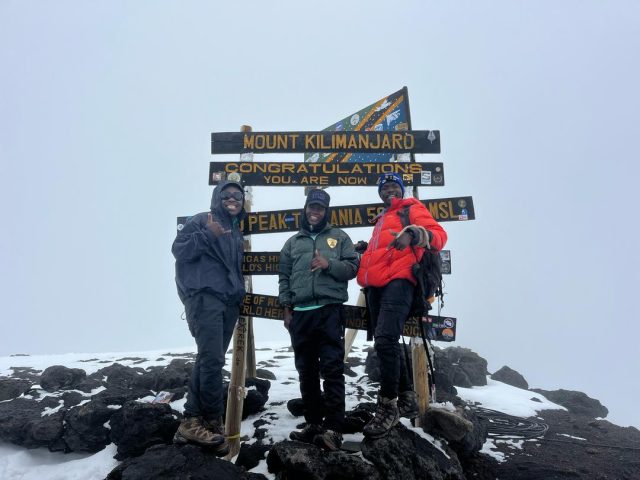
Altitude sickness occurs when your body doesn’t have enough time to adjust to the decreased oxygen levels at high elevations. As you ascend, the air becomes thinner, making it harder for your body to take in the oxygen it needs. On Kilimanjaro, which rises to a staggering 5,895 meters (19,341 feet) at Uhuru Peak, the risk of altitude sickness begins as low as 2,500 meters (8,200 feet) and increases the higher you go.
Common Symptoms of Altitude Sickness in Kilimanjaro
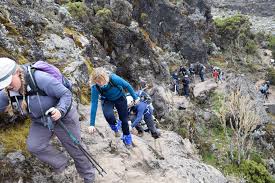
AMS can range from mild to severe, and symptoms often begin within hours of gaining altitude. Common early signs include:
-
Headache
-
Nausea or vomiting
-
Dizziness
-
Fatigue or weakness
-
Shortness of breath
-
Loss of appetite
-
Trouble sleeping
In more serious cases, it can lead to High Altitude Pulmonary Edema (HAPE) or High Altitude Cerebral Edema (HACE)—life-threatening conditions requiring immediate descent.
Why Kilimanjaro Climbers Are at Risk
Kilimanjaro’s challenge lies not in its technical difficulty—there are no ropes or climbing gear required—but in its rapid ascent profile. Many climbers go from low altitudes to high altitudes in just a few days, giving the body little time to adapt. That’s why altitude sickness is the most common reason climbers don’t reach the summit.
Prevention Tips: How to Reduce the Risk of Altitude Sickness In Kilimanjaro.
-
Choose a Longer Route
Routes like the Lemosho, Machame, and Northern Circuit are ideal because they offer more time for acclimatization. -
Climb High, Sleep Low
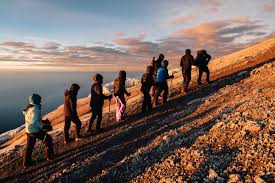
Opt for itineraries that include acclimatization hikes—like ascending to Lava Tower or Cathedral Point and descending to sleep at a lower camp. -
Hydrate Constantly
Drink at least 3–4 liters of water daily to help your body adjust. -
Pace Yourself
Go “pole pole” (Swahili for “slowly slowly”). Rushing increases your risk of AMS. -
Listen to Your Body
Don’t ignore symptoms. Mild headaches are common, but if symptoms worsen, inform your guide immediately. -
Medication (if needed)
Talk to your doctor about acetazolamide (Diamox), a medication that can help prevent or reduce the symptoms of AMS.
What to Do If You Get Altitude Sickness on Kilimanjaro
If you begin to feel the effects of AMS, your guide will assess the severity. For mild symptoms, rest, hydration, and descent to a lower camp may be recommended. In more severe cases, an immediate descent is essential. All reputable Kilimanjaro operators, like Kilinge Adventures, carry medical equipment such as pulse oximeters, oxygen cylinders, and emergency evacuation plans.
Final Thoughts
Altitude sickness is a real risk when climbing Mount Kilimanjaro, but it’s manageable with the right preparation, knowledgeable guides, and a well-planned itinerary. By respecting the mountain and your body’s limits, you increase your chances of standing proudly at the “Roof of Africa.”