- Trip Overview
- Similar Tours
What's included
- Professionally guided tour
- Visa arrangements
Acclimatization on Kilimanjaro: The Key to a Successful Summit
Climbing Mount Kilimanjaro is a once-in-a-lifetime adventure, offering breathtaking landscapes, diverse ecological zones, and the thrill of reaching Africa’s highest point. However, one of the most crucial factors that determines the success of your climb is acclimatization — your body’s ability to adapt to the decreasing oxygen levels at higher altitudes.
What is Acclimatization?
Acclimatization is the process by which your body gradually adjusts to lower oxygen levels as you ascend. At higher altitudes, the air pressure drops, resulting in thinner air and less oxygen per breath. Your body responds by increasing breathing and heart rate, and over time, it produces more red blood cells to carry oxygen more efficiently.
On Kilimanjaro, climbers go from around 1,800 meters (5,900 ft) at the base to 5,895 meters (19,341 ft) at the summit. Without proper acclimatization, the risk of Acute Mountain Sickness (AMS) increases significantly. Symptoms include headache, nausea, fatigue, dizziness, and insomnia — all of which can derail your summit attempt.
Why Is Acclimatization Important on Kilimanjaro?
Unlike mountain ranges like the Himalayas or the Andes where climbers may spend weeks acclimatizing, Kilimanjaro climbs are typically compressed into 5 to 9 days. This means your body has a shorter time to adjust, making the risk of altitude sickness a major concern. That’s why choosing the right route and itinerary is essential.
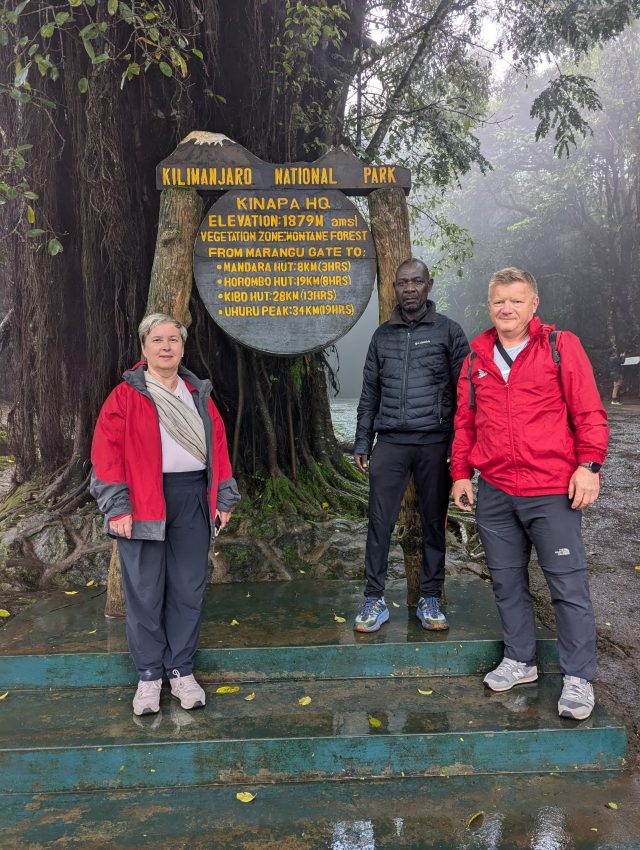
Best Practices for Acclimatization
Here are key strategies to help your body acclimate effectively while climbing Kilimanjaro:
1. Choose a Longer Route
Opt for longer routes like the Lemosho Route (7–8 days) or the Northern Circuit Route (9 days). These offer gradual elevation gain and extra acclimatization days compared to shorter routes like Marangu (5–6 days). The extra time significantly improves your chances of reaching the summit successfully.
2. Follow the “Climb High, Sleep Low” Principle
Some itineraries include acclimatization hikes to higher altitudes during the day, followed by returning to a lower altitude to sleep. For example, on the Lemosho Route, hikers often ascend to Lava Tower (4,630m) during the day and descend to Barranco Camp (3,960m) to sleep.
3. Stay Hydrated & Eat Well
Proper hydration (3–4 liters of water per day) helps prevent altitude sickness. Eating enough calories is also crucial—your body needs more fuel as it adjusts to altitude and performs physically demanding climbs.
4. Take It Slow
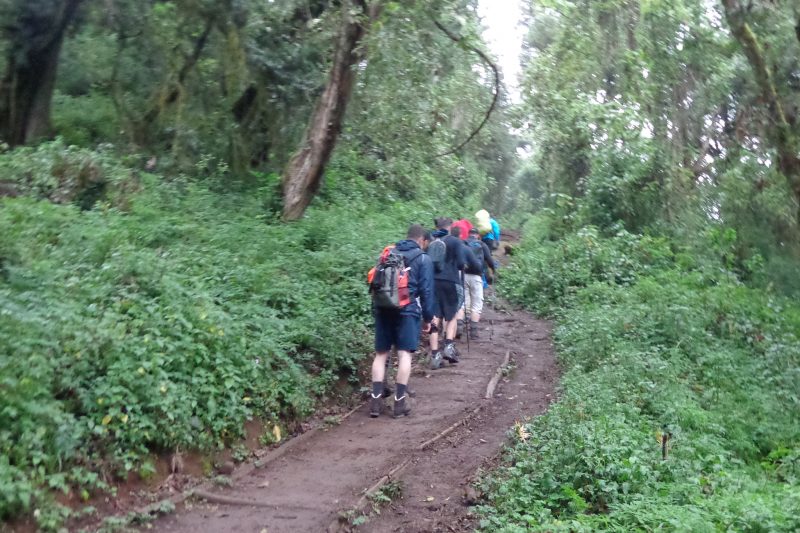
Pacing is vital. Move at a slow, steady pace to reduce the strain on your body and give your system time to adapt. Guides often say “Pole pole” (Swahili for “slowly slowly”) — and it’s truly the golden rule of climbing Kilimanjaro.
5. Medication (If Needed)
Some climbers choose to take acetazolamide (Diamox) to aid acclimatization. It’s best to consult your doctor before your climb to see if this is right for you.
Signs of Good vs. Poor Acclimatization
Good signs:
-
Sleeping well at night
-
Normal appetite
-
Mild to no headache
-
Energy during hikes
Warning signs of AMS:
-
Persistent headache
-
Loss of appetite
-
Nausea or vomiting
-
Extreme fatigue
-
Shortness of breath at rest
Always inform your guide if you’re feeling unwell. Experienced Kilimanjaro guides are trained to assess and respond to altitude sickness.
The Reward of Acclimatization: Reaching Uhuru Peak
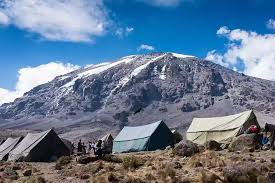
Taking acclimatization seriously means increasing your chances of standing proudly at Uhuru Peak, watching the sun rise over the glaciers of Kilimanjaro. It’s an indescribable reward — one that only about 60–70% of climbers achieve, largely because of proper planning and adaptation.
Final Thoughts
Acclimatization isn’t just a technical term—it’s the lifeline to a successful and safe Kilimanjaro climb. Respect the mountain, listen to your body, choose the right route, and follow the advice of experienced guides. When you do, the summit will be within your reach, and the journey will be one you’ll cherish forever.
Book this Tour with Kilinge Adventures
Apart from this Acclimatization on kilimanjaro you may read and write some review for us from Safari Bookings.