- Trip Overview
What's included
- Professionally guided tour
- Visa arrangements
Kilimanjaro Full Moon Climb: A Unique and Magical Experience
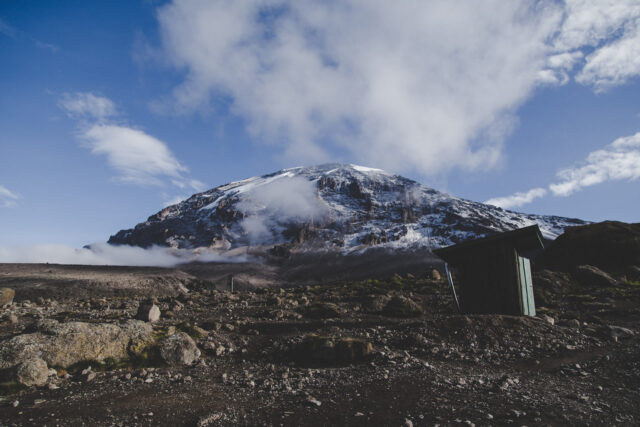
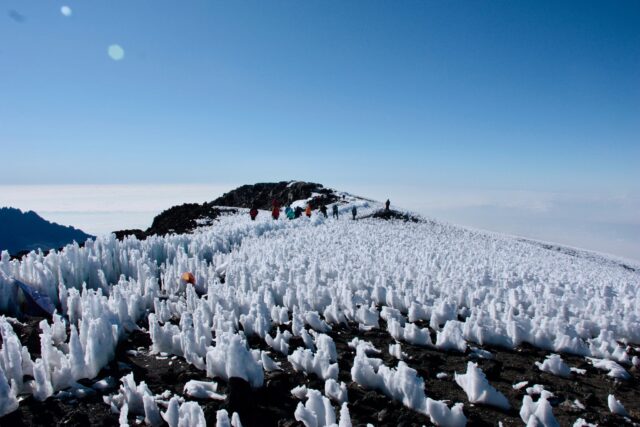
Climbing Kilimanjaro is a life-changing adventure, but summiting during the full moon transforms the experience into something truly unforgettable. Imagine trekking under a bright, glowing moon that lights up the glaciers and snow-covered peak of Uhuru Peak — with no need for a headlamp.
The Kilimanjaro full moon climb is one of the most sought-after experiences for trekkers looking for both a physical and spiritual journey. Below, we explain what a full moon climb involves, the best times to go, and how to plan it successfully.
Book this Tour with Kilinge Adventures
Apart from this, you may read and write some reviews for us from Safari Bookings.
Why Climb Kilimanjaro During a Full Moon?
✨ 1. Enhanced Visibility on Summit Night
-
The summit attempt usually starts around midnight.
-
During a full moon, the bright moonlight reduces or even eliminates the need for headlamps.
-
The path is clearly visible, making the trek safer and more comfortable.
❄️ 2. Magical Views of the Snow and Glaciers
-
The full moon reflects off Kilimanjaro’s glaciers and snowfields, creating a silver, surreal glow.
-
You’ll witness one of the most breathtaking nightscapes on Earth.
📸 3. Perfect Conditions for Photography
-
The full moon creates ideal lighting for long-exposure summit shots.
-
Sunrise over Mawenzi Peak under a fading full moon is a rare sight.
🧠 4. Psychological Motivation
-
The beauty and brightness of the moonlight can uplift spirits during the challenging summit push.
-
Many climbers report feeling more inspired and motivated.
When Is the Best Time for a Full Moon Climb?
The best time is to arrive at the summit (Uhuru Peak) on the same night as the full moon, or 1 day before or after (when the moon is still nearly full).
✅ Ideal Months (Dry Season & Good Visibility):
-
January to March – Cooler, quieter, and good visibility
-
June to October – Dry season, warmer summit nights, popular months
🌕 Pro Tip: Check the official full moon calendar before booking and plan your itinerary to reach the summit on that exact night.
Upcoming Full Moon Dates (2025 – 2026)
| Month | Full Moon Date | Summit Date Planning |
|---|---|---|
| June 2025 | June 11 | Summit: June 10–12 |
| July 2025 | July 10 | Summit: July 9–11 |
| August 2025 | August 9 | Summit: August 8–10 |
| September 2025 | September 7 | Summit: Sept 6–8 |
| October 2025 | October 6 | Summit: Oct 5–7 |
| November 2025 | November 5 | Summit: Nov 4–6 |
| December 2025 | December 5 | Summit: Dec 4–6 |
Always check lunar calendars and coordinate your trekking start date accordingly.
Which Route Is Best for a Full Moon Climb?
Here are the top routes with enough flexibility for full moon summit targeting:
🟢 Lemosho Route (7–8 days)
-
Great acclimatization
-
Scenic western approach
-
Flexible itinerary for full moon timing
🟡 Machame Route (6–7 days)
-
Very popular and scenic
-
Easy to adjust to match full moon dates
-
Slightly more crowded during full moon climbs
🔵 Northern Circuit (8–9 days)
-
Longest and most gradual ascent
-
Ideal for maximizing success and reaching summit under full moon
-
Fewer crowds
How to Plan a Kilimanjaro Full Moon Climb
-
Pick a Full Moon Date – Use the calendar to choose your ideal summit night.
-
Work Backwards – Choose a route and count the days backward from summit night to your start date.
-
Book Early – Full moon dates are very popular; secure your spot well in advance.
-
Train and Prepare – A full moon doesn’t reduce the difficulty—prepare your body for altitude.
-
Pack Wisely – Even with moonlight, always bring a headlamp (just in case).
Is a Full Moon Climb Worth It?
Absolutely. A full moon climb on Kilimanjaro offers:
-
A visually unforgettable summit night,
-
A spiritual and emotional boost,
-
Safer night visibility, and
-
A unique way to experience Africa’s tallest mountain.
It’s one of the most popular “bucket-list” climbs for good reason.