- Trip Overview
- Similar Tours
What's included
- Professionally guided tour
- Visa arrangements
The Mystery of Kilimanjaro Leopards: Silent Guardians of the Roof of Africa

When you think of Mount Kilimanjaro, you probably imagine snow-capped peaks, alpine deserts, and epic treks through changing climate zones. But hidden in the mountain’s lesser-known tales is the story of one of Africa’s most elusive and mysterious predators — the Kilimanjaro leopard.
Book this Tour with Kilinge Adventures
A Legendary Beginning
The fascination with leopards on Kilimanjaro can be traced back to Ernest Hemingway’s short story, The Snows of Kilimanjaro. In it, Hemingway opens with a haunting image:
“Close to the western summit… there was the dried and frozen carcass of a leopard. No one has explained what the leopard was seeking at that altitude.”
This passage sparked a powerful myth and made the Kilimanjaro leopard a symbol of mystery, courage, and the unknown. But was Hemingway merely crafting fiction, or was there truth in his words?
Did Leopards Really Climb Kilimanjaro?
Yes — leopards have been spotted at high altitudes on Kilimanjaro, although extremely rarely. Leopards are known for their adaptability and wide range across Africa. On Kilimanjaro, sightings have occurred primarily in the lower montane forests and moorland zones — between 2,000 and 4,000 meters (6,500–13,000 ft).
However, the sighting or discovery of a leopard carcass near the summit (over 5,000 meters) remains controversial and debated. Whether fact or fable, it underscores the leopard’s symbolic endurance and strength.
Habitat and Behavior
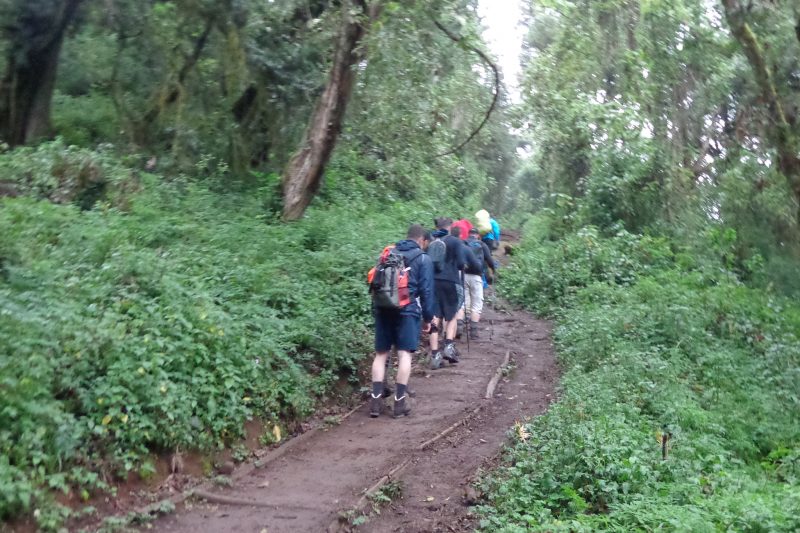
Kilimanjaro’s lower elevations, particularly the rainforest zone, provide a suitable habitat for leopards. Dense forest, abundant prey (like monkeys, small antelopes, and hyrax), and minimal human interference make it an ideal, though hidden, home.
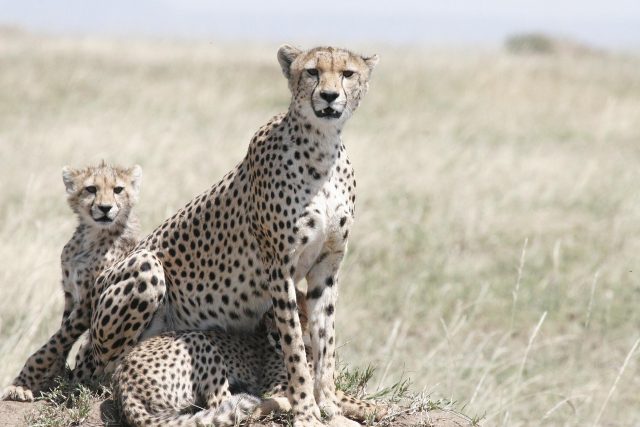
Leopards are nocturnal, solitary, and masters of camouflage — making sightings exceptionally rare. Even experienced porters and guides who have summited dozens of times may never see one.
Leopards vs Other Kilimanjaro Wildlife
While Kilimanjaro is more famous for Colobus monkeys, blue monkeys, buffalo, and elephants in its lower regions, leopards quietly exist in the shadows. Unlike the Serengeti or Tarangire, Kilimanjaro is not a big cat destination — which makes any trace of leopards here all the more special.
Symbolism of the Kilimanjaro Leopard
The leopard on Kilimanjaro has come to represent:
-
Resilience in adversity
-
Pursuit of unknown heights
-
Solitary courage
-
The balance between strength and grace
For climbers, the legend of the Kilimanjaro leopard serves as a metaphor for their own journey — enduring physical hardship, battling the elements, and chasing something greater than themselves.
Final Thoughts
Though you’re unlikely to see a leopard on your Kilimanjaro climb, their presence — real or symbolic — is deeply woven into the mountain’s lore. They are the silent guardians of the mountain, reminding us of Kilimanjaro’s wild soul and the timeless stories that echo across its slopes.