- Trip Overview
- Similar Tours
What's included
- Professionally guided tour
- Visa arrangements
Discovering the Enchanted Forests of Mount Kilimanjaro

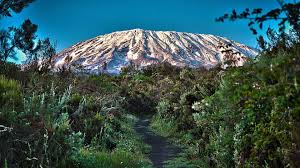
Mount Kilimanjaro is famous around the world for its snow-capped summit, but before climbers even glimpse the icy peak, they must pass through one of its most magical and underrated zones—the lush Kilimanjaro forest belt. Rich in biodiversity, echoing with the sounds of exotic birds, and teeming with life, this dense rainforest is more than just the starting point of a trek—it’s a destination in itself.
Book this Tour with Kilinge Adventures
The Forest Zone: Where the Journey Begins
Sitting between 1,800 and 2,800 meters above sea level, the Kilimanjaro forest zone is the first ecological band trekkers encounter on most routes—such as Machame, Lemosho, Marangu, and Rongai. Due to the mountain’s unique topography, moisture-rich trade winds condense as they rise against the slopes, feeding the forest with consistent rainfall. The result? A thick, vibrant rainforest that blankets the mountain’s lower flanks.
Flora: A Green Wonderland
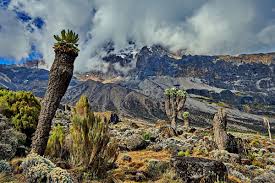
The forest is an awe-inspiring tangle of life. Towering trees like camphor, podocarpus, and figs rise high into the mist, their trunks covered in mosses and lichens. The forest floor is carpeted with ferns, wild orchids, and impatiens flowers, while lianas and vines twist through the underbrush. In some sections, especially on the southern slopes, you’ll find patches of bamboo forest, adding a peaceful, almost meditative atmosphere to the trail.
During rainy seasons, the forest becomes even more alive, shimmering in every shade of green imaginable. For nature lovers, photographers, and botanists, Kilimanjaro’s forest is a paradise.
Wildlife: A Hidden Kingdom
Though elusive, wildlife is abundant in Kilimanjaro’s forest belt. It’s common to see troops of black-and-white colobus monkeys swinging through the treetops, their long, bushy tails flowing behind them. You may also spot blue monkeys, bush babies, and even small antelopes like duikers darting through the foliage.
Birdlife is equally impressive. Over 180 species of birds are found here, including colorful turacos, hornbills, sunbirds, and the rare Abbott’s starling, which is endemic to the area. Early risers are often rewarded with the morning chorus of birdsong, a natural symphony that signals the start of a day’s adventure.
Trekking Through the Forest
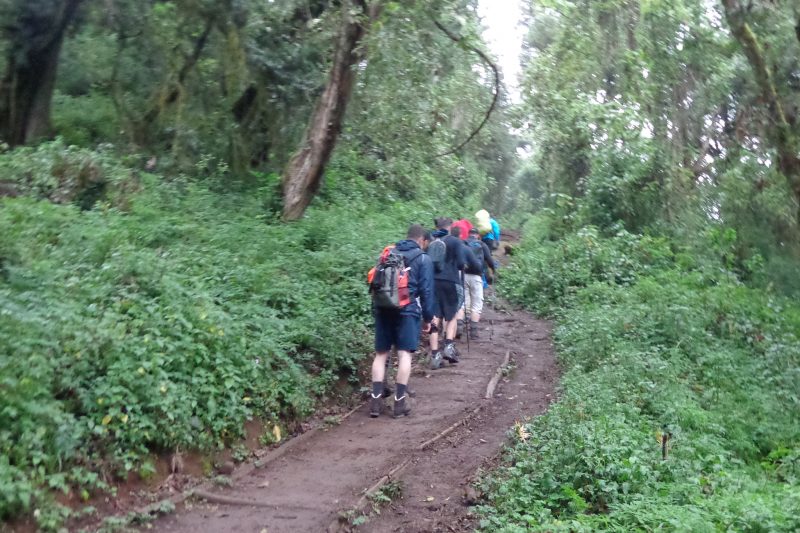
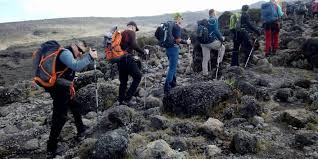
Hiking through the forest zone is a sensory experience. The air is cool and humid, the trails are sometimes muddy and root-covered, and the scent of earth and vegetation is everywhere. As you ascend, the dense jungle gradually begins to thin, giving way to the moorland zone above.
Routes like Lemosho and Machame offer particularly scenic treks through the forest, with quiet paths and abundant wildlife sightings. Porters and guides often share stories of the forest’s history and significance, adding a rich cultural layer to the trek.
Cultural Significance
To the local Chagga people, who have lived around the slopes of Kilimanjaro for centuries, the forest is sacred. It has long been a source of medicinal plants, firewood, and spiritual meaning. In some traditions, the forest is home to spirits and ancestors, and it’s treated with deep respect and reverence.
Conservation and Challenges
Kilimanjaro’s forests are part of the Kilimanjaro National Park and are protected as a UNESCO World Heritage Site. However, challenges such as illegal logging, encroachment, and climate change continue to threaten this delicate ecosystem.
Efforts by local communities, conservationists, and tour companies like Kilinge Adventures help ensure that visitors experience the magic of the forest while leaving a minimal footprint. Sustainable trekking practices, respectful behavior, and community-based tourism are key to preserving the forest for future generations.
Final Thoughts: More Than Just a Pathway
For many, the forest zone is just the first step on the way to the summit. But take your time—look up, breathe deeply, and appreciate the wonder around you. Kilimanjaro’s forests are not just a trail to the top—they are a living, breathing part of the mountain’s soul.
Book this Tour with Kilinge Adventures
Apart from this, you may read and write some reviews for us from Safari Bookings.