- Trip Overview
- Similar Tours
What's included
- Professionally guided tour
- Visa arrangements
Kilimanjaro Equator Snow: A Frozen Crown in the Heart of Africa

Mount Kilimanjaro, Africa’s tallest mountain, is a geographical wonder in many ways. One of its most remarkable features is its snow-capped peak, which stands in stark contrast to its tropical surroundings. What makes this even more incredible is that Kilimanjaro lies just about 3° south of the equator—a region typically known for its heat, humidity, and lush vegetation. So, how does snow exist in a place that’s supposed to be hot year-round?
Let’s explore this fascinating phenomenon of Kilimanjaro’s equatorial snow.
Book this Tour with Kilinge Adventures
Apart from this, you may read and write some reviews for us from Safari Bookings.
Why Is There Snow at the Equator?
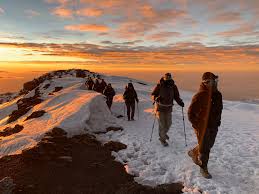
Despite being located in a tropical region, Mount Kilimanjaro reaches a towering elevation of 5,895 meters (19,341 feet) above sea level. At this altitude, the air is thin, temperatures drop drastically, and the climate transitions into what scientists call an “arctic zone.” These extreme conditions at high elevation allow snow and ice to accumulate on the summit, even while the base of the mountain enjoys warm, lush rainforests.
The temperature at Uhuru Peak (the highest point on Kilimanjaro) can drop to -20°C (-4°F) or even lower, especially during summit nights.
The Kilimanjaro Glaciers
At the top of Kilimanjaro, you’ll find ancient glaciers and permanent ice fields, which have existed for thousands of years. The most notable among them include the Furtwängler Glacier, Rebmann Glacier, and Northern Ice Field. These icy giants were formed over millennia from compacted snow and continue to crown the mountain’s summit with a bright white halo that’s visible from miles away.
However, these glaciers are rapidly melting due to climate change, and scientists estimate that over 80% of Kilimanjaro’s ice cover has disappeared since 1912. If current trends continue, Kilimanjaro’s iconic snow cap may vanish completely within the next few decades.
What Affects Kilimanjaro’s Snow Cap?
-
Altitude: The most significant factor—Kilimanjaro is so tall that its summit experiences freezing conditions year-round.
-
Atmospheric Conditions: The thin atmosphere and low oxygen levels reduce the capacity of the air to retain heat.
-
Rainfall & Snowfall Patterns: Moist air from the Indian Ocean rises and condenses into snow at higher elevations.
-
Global Warming: Rising global temperatures and shifting weather patterns are causing the glaciers to retreat rapidly.
Experiencing the Snow First-Hand
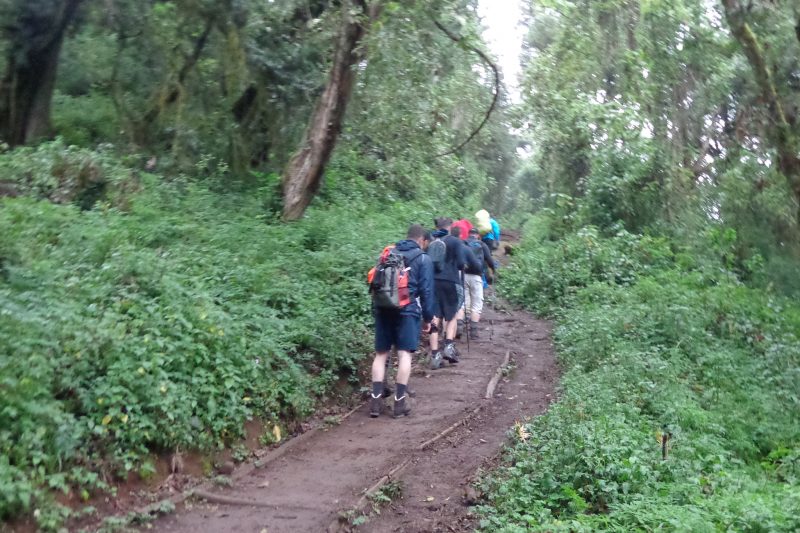
If you’re climbing Kilimanjaro, the sight of snow at the summit is often a spiritual and surreal moment. After days of trekking through tropical rainforest, heath, and alpine desert, reaching the arctic summit zone feels like entering another world. Snow crunches beneath your boots as the morning sun paints the glaciers gold. It’s a once-in-a-lifetime reward that leaves many climbers in awe.
The Symbol of Kilimanjaro’s Snow
Ernest Hemingway immortalized the mountain in his famous story “The Snows of Kilimanjaro”, using the icy summit as a symbol of purity, isolation, and the fleeting nature of life. Today, the snow atop Kilimanjaro is also a powerful symbol of climate change, urging the world to take action before this natural wonder disappears forever.
Tips for Climbers and Photographers
-
Best time to see snow: January–March and June–October (dry seasons).
-
Camera gear: Bring well-insulated batteries and protective gear for your equipment—cold affects battery life!
-
Stay safe: Prepare for freezing temperatures at the summit with layered clothing, warm gloves, and thermal wear.
Final Thoughts
Kilimanjaro’s equator snow is more than just a physical curiosity—it’s a testament to the mountain’s grandeur and the planet’s complex climate system. Seeing snow in a region so close to the equator is a humbling reminder of how altitude shapes our environment. As climate shifts threaten to erase this icy crown, now is the time to witness its beauty while we still can.