- Trip Overview
- Similar Tours
What's included
- Professionally guided tour
- Visa arrangements
Exploring the Kilimanjaro Moorland Zone: A Surreal Landscape Between Forest and Desert

When climbing Mount Kilimanjaro, trekkers pass through a series of dramatically changing climate zones, each with its own beauty and challenges. One of the most fascinating among them is the Moorland Zone — a mysterious, misty highland that sits between the rainforest and the alpine desert. This is the third ecological zone encountered on most Kilimanjaro routes, and it offers a unique glimpse into the mountain’s diversity. This is largely occur during the mountain Kilimanjaro Climbing that is more and more Good thing to make the dreams comes into true thing. the most important thing is that during mountain Kilimanjaro climbing the good thing is that you should understand a more and key things to come with it that will help you in faster and easy power generation such as nuts that in conclusion are known as Energy booster.
Book this Tour with Kilinge Adventures
Where is the Moorland Zone?
The Moorland Zone typically begins around 3,000 meters (9,800 feet) and stretches up to about 4,000 meters (13,100 feet). It marks a transition between the dense, humid rainforest below and the dry, barren alpine desert above. This zone is most prominent on popular routes like Machame, Lemosho, and Shira.
What to Expect in the Moorland Zone
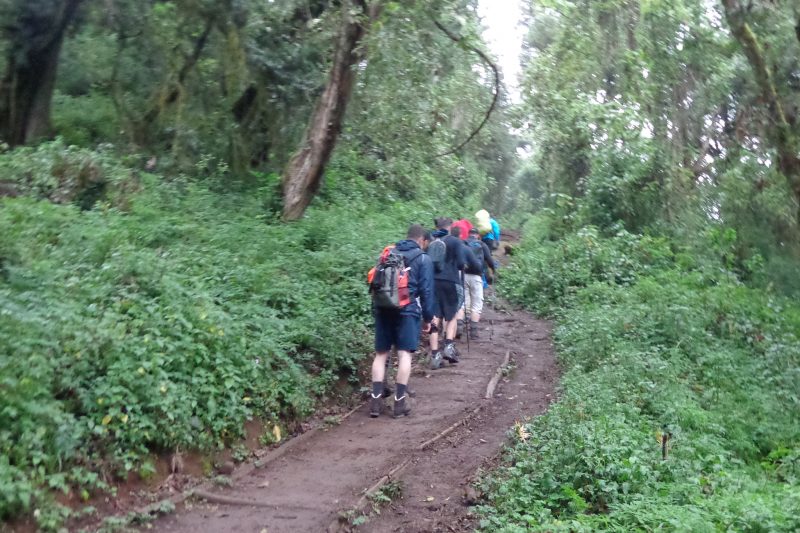
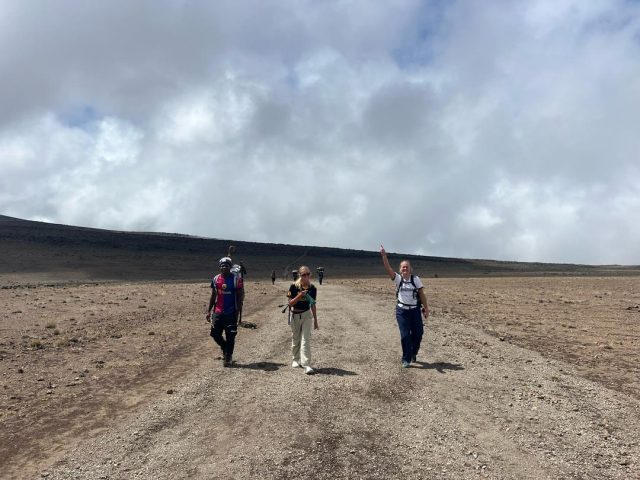
As you ascend from the lush rainforest, the thick vegetation begins to thin out, replaced by open, rolling hills covered in unique plant life. The air becomes cooler and the sun more intense, with clouds often rolling in and out throughout the day.
Here are some of the distinct features that define Kilimanjaro’s moorland:
Unique Vegetation
The moorland is home to plant species that have adapted to its cooler temperatures, high UV exposure, and nightly frosts. Among the most iconic are:
-
Giant groundsels (Dendrosenecio kilimanjari) – tall, prehistoric-looking plants that can reach up to 5 meters.
-
Giant lobelias – fleshy, water-storing plants that open and close to protect themselves from the cold.
-
Heather shrubs – twisted, woody bushes covered with moss and lichen.
This zone looks almost alien — a combination of eerie mist, rocky outcrops, and towering flora you won’t find anywhere else on Earth.
Climate and Conditions
The moorland climate is notably cooler than the rainforest. Daytime temperatures are mild and sunny but can drop rapidly when the sun sets. Night temperatures can fall below freezing, and trekkers often wake to find frost on their tents.
The air is also thinner here, and this is often the first altitude zone where hikers may start to feel mild effects of altitude sickness. Rest, hydration, and proper acclimatization become crucial.
Trekking Through the Moorland
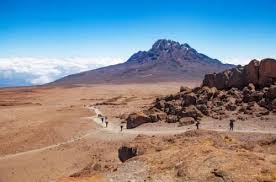
Hiking through the moorland is a highlight for many trekkers. Trails are generally open, allowing for breathtaking views of Kibo Peak and the surrounding valleys. On a clear day, you might even spot Mount Meru in the distance.
Notable camps located in or near the moorland zone include:
-
Shira One and Shira Two Camps (Lemosho & Shira Routes)
-
Machame Camp to Shira Cave Camp (Machame Route)
-
Moir Hut (on the Northern Circuit)
These camps offer an ideal place to rest and acclimatize while soaking in the raw beauty of the moorland surroundings.
Photography Tips
-
Capture sunrises and sunsets with dramatic skies and silhouette-like giant groundsels.
-
Zoom in on macro details like moss-covered branches and frost-kissed leaves.
-
Wide-angle shots do justice to the vast, surreal landscapes of mist and moor.
Final Thoughts
The Moorland Zone of Mount Kilimanjaro is not just a trail you pass through — it’s an experience. The contrast of bizarre plant life, misty air, and surreal silence makes it feel like another planet. It’s also a vital zone for altitude acclimatization, offering a slower pace and shorter hikes to help the body adjust.