Discover the Roof of Africa with Expert Mountain Guides Best Kilimanjaro Climbing Itineraries 2027/2028
- Trip Overview
- Similar Tours
Discover the best Kilimanjaro Climbing Itineraries and Routes by Duration with Kilinge Adventures. Explore flexible 1–9 day trekking adventures, ranging from scenic short hikes to challenging summit expeditions toward Uhuru Peak at 5,895 metres above sea level.
Compare the Marangu, Machame, Lemosho, Rongai, Umbwe, Shira and Northern Circuit routes based on trekking duration, difficulty, mountain scenery, accommodation and acclimatization opportunities.
Discover private and group trekking options, professional mountain guides, seasonal climbing conditions and remarkable landscapes across Africa's highest mountain.
Explore More Kilimanjaro Climbing Adventures
Welcome to read more and explore our detailed Kilimanjaro climbing itineraries, route comparisons, seasonal trekking conditions and essential mountain preparation tips. Discover the ideal route and duration for your Mount Kilimanjaro adventure in 2027/2028 with Kilinge Adventures.
What's included
Best Kilimanjaro Climbing Itineraries from Arusha or Moshi
Compare routes by duration, from a one-day Shira Plateau experience to an eight- or nine-day Northern Circuit climb. Find the balance of scenery, mountain time and accommodation that suits your journey.
Kilimanjaro routes by duration: begin with the time you have
Your Kilimanjaro journey starts with a practical question: how many days can you give the mountain? A short visit can reveal the open Shira landscape, while a longer climb allows the scenery, camp routine and summit approach to unfold over several days.
This guide brings together our Kilimanjaro climbing itineraries in one place. Explore Marangu, Machame, Rongai, Umbwe, Shira, Lemosho and the Northern Circuit, then follow the links to the full route pages. Each option below gives you a concise introduction, an altitude consideration and seasonal guidance.
The best itinerary is the one that matches your preparation and priorities. A shorter climb is not automatically easier, and more days do not guarantee the summit. Consider sleeping altitude, walking demands, camping versus huts and the whole holiday schedule before deciding.
Request hotel pickup in either city. Confirm airport transfers separately.
The Shira day trip is a non-summit experience; multi-day summit plans have different demands.
Mountain days exclude arrival, briefing and pre/post-climb hotel nights unless stated.
Choose your Kilimanjaro itinerary by number of days
Use duration as a starting point, then compare the route profile. The same number of days can feel very different on a high-start plateau route, a steep ridge or a longer northern traverse.
What do you eat on Kilimanjaro?
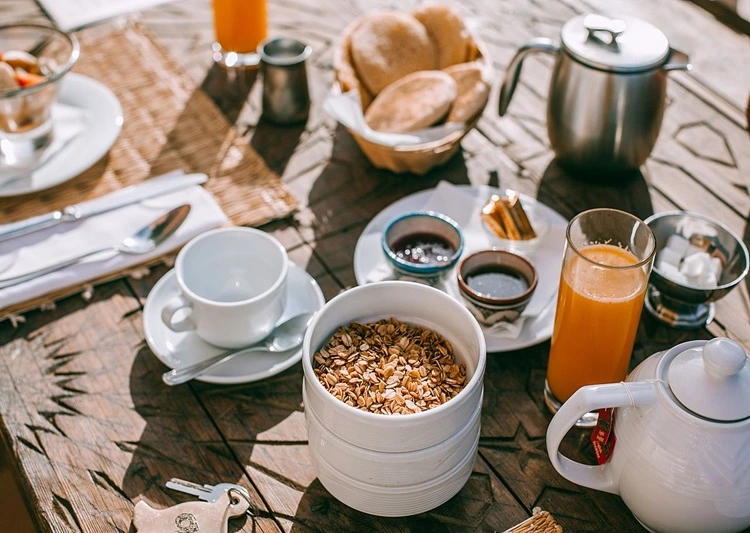
Meals become part of the rhythm of a climb: breakfast before walking, lunch along the way and a warm meal after reaching camp. Explore our food guide before choosing your itinerary, then discuss the actual menu and dietary arrangements for your booking.
Tell the team about allergies and dietary needs early. Confirm drinking-water treatment, first- and last-day meals and what is provided during the summit attempt.
Explore the Kilimanjaro food guide →A mountain day without a summit expedition
If you want Kilimanjaro scenery within a shorter Tanzania holiday, begin with a day hike. You still need suitable clothing, footwear and a realistic understanding of the altitude reached.
Shira Plateau Day Hike
Open moorland, a western mountain perspective and a return to your hotel.
Explore a different side of Kilimanjaro on a guided Shira Plateau visit. Vehicle access and the agreed walking route determine the day’s timing, distance and highest point; the trip does not reach Uhuru Peak.
Marangu: compare the hut-based itineraries
For travellers who prefer huts to camping, Marangu offers a distinct accommodation style. Choose the duration carefully rather than assuming a roof makes the altitude challenge easier.
Marangu Route
Forest walking, Horombo’s open slopes and a summit approach from Kibo.
Follow the Marangu trail through Mandara and Horombo toward Kibo, returning on the same general route. Shared mountain huts replace sleeping tents, though accommodation remains simple and cold-weather equipment is still important.
Machame, Rongai or Umbwe: look beyond the day count
These routes share a duration range but offer different experiences. Compare Machame’s southern scenery, Rongai’s northern approach and Umbwe’s steep opening stages before selecting a climb.
Machame Route
Forest, Shira, Barranco Wall and the southern valleys.
Machame combines a changing landscape with active walking and scrambling. It suits trekkers who want varied scenery and are comfortable with consecutive outdoor days and uneven ground.
Rongai Route
A northern approach with Mawenzi scenery and a Marangu descent.
Rongai offers a different mountain perspective and avoids Barranco Wall. The early approach can feel more gradual, but the summit day remains a demanding high-altitude effort.
Umbwe Route
A direct forest ridge before joining the southern summit trail.
Umbwe is a demanding choice for experienced, well-prepared hikers. Its steep opening days are a defining feature, followed by Barranco, Karanga and Barafu on the itinerary described in our guide.
Match the route to your experience
Choose around the trail as well as the timetable. Ask about scrambling confidence for Machame, the exact extra-night arrangement on Rongai and the rapid early ascent on Umbwe.
If your main concern is having more mountain time, continue to the seven-, eight- and nine-day choices below before deciding.
Compare the longer western approaches →Lemosho and Shira: similar landscapes, different starts
Both routes introduce the western mountain and plateau scenery. Their starting profiles are an important distinction: the Lemosho forest approach differs from the higher, vehicle-assisted start used by Shira variants.
Lemosho Route
Western forest, Shira Plateau and the southern mountain traverse.
Lemosho offers a forest beginning before the open plateau and shared southern approach. It is a useful option to explore when you want a longer camping itinerary and varied scenery.
Shira Route
Plateau scenery and an elevated introduction to Kilimanjaro.
Shira variants use vehicle access to reach a higher western starting area. It can be attractive for plateau scenery, but should not be confused with a gradual forest ascent simply because the overall trip lasts a week or more.
Northern Circuit: give the mountain more time
If your holiday allows a longer stay, explore the western start and northern traverse. The additional mountain days create a different rhythm, with more camping nights and a wider view of Kilimanjaro.
Northern Circuit
Western forest, northern slopes, School Hut and the Mweka descent.
Background photo: Karanga Camp, supplied as general Kilimanjaro imagery. This Northern Circuit itinerary does not visit Karanga.
Follow the Lemosho-side beginning before turning toward Moir, Buffalo and Third Cave. The route continues to School Hut for the summit approach and descends through Mweka. The northern stages usually feel quieter than the shared southern trails, though solitude is not guaranteed.
Turn your route shortlist into a practical plan
Understand acclimatization
Look at sleeping altitude and where extra nights are placed, not only total days. Fitness does not prevent altitude illness. Tell your guide promptly about symptoms and do not continue ascending with altitude-illness symptoms.
Worsening symptoms, confusion, difficulty walking or breathlessness at rest require urgent action and descent. Discuss personal risks with a clinician familiar with altitude before travel.
Choose a season realistically
The drier windows are planning guides, not forecasts. January–February often appeals to travellers seeking the warmer dry-season period; June–September offers another widely used window. Early March and October are more transitional.
Wet months can mean fewer trekkers, but also slippery trails and more challenging logistics. Choose with the route’s terrain and access in mind.
Compare complete quotes
Ask for the exact duration, camps, accommodation, mountain meals, water, crew arrangements, equipment and transfers. Confirm whether park fees, camping or hut charges, rescue fees and taxes are included or payable separately.
Check hotel nights, rentals, tips, cancellation terms and early-descent costs before paying.
Prepare for the whole journey
Train progressively on consecutive walking days, test your boots and arrange suitable layers and sleeping equipment. Confirm your luggage allowance and any rentals.
For summit climbs, choose insurance covering trekking to 5,895 m, emergency treatment, evacuation and repatriation. Add time for arrival, briefing and recovery.
Kilimanjaro itinerary questions answered
Which Kilimanjaro itinerary is best?
There is no single best option for every traveller. Compare available time, sleeping altitude, hiking experience, camping versus huts and the terrain you are comfortable with. Ask for a route recommendation based on your circumstances.
Does a longer climb guarantee the summit?
No. More days can provide more time for altitude adjustment, but health and weather vary. Your guide may change the plan or turn around when necessary.
Can I climb Kilimanjaro in one day?
The linked Shira trip is a non-summit day hike. It offers mountain scenery, not an ascent to Uhuru Peak. Vehicle access can still take you to significant altitude.
Are 2–4-day itineraries available?
Ask about confirmed non-summit forest or plateau experiences. Availability depends on the approved walking plan, camp access and exit logistics. Short proposals should not be treated as summit packages.
Which route has hut accommodation?
Marangu is the hut-based option in this collection. The other multi-day route options are described as camping itineraries; campsite names containing “Hut” do not guarantee hut beds.
Do all trips start from Arusha or Moshi?
Request hotel pickup in either city and confirm the arrangements in your quote. Gate transfers, airport transfers and pre/post-climb accommodation are separate services unless expressly included.
What is the difference between itinerary days and holiday days?
Itinerary duration normally counts mountain days. Add arrival time, a briefing, equipment checks, hotel nights and a buffer before onward travel to plan your full stay.
Read experiences from Kilinge Adventures travellers
Explore feedback about communication, guiding and the overall journey. Look at the route, duration and travel dates described in each review to understand how it relates to your plans.
Explore traveller feedback
Read reviews on our SafariBookings profile. After travelling with us, you are welcome to share an honest review of your experience.
Visit SafariBookings ↗Discover guest experiences
Visit our TripAdvisor profile for guest feedback. Your honest review after your trip can help future travellers make their plans.
Visit TripAdvisor ↗Review links open in a new tab. Feedback reflects individual trips and conditions.
Find your Kilimanjaro itinerary with Kilinge Adventures
Tell us how many mountain days you have, when you would like to travel and whether you prefer huts or camping. Include your pickup city, group size and hiking experience so we can discuss suitable options.
Request a clear proposal showing the itinerary, services, complete costs and booking terms. Start with the route pages above, then bring your shortlist together into one practical Tanzania travel plan.