Discover Kilimanjaro Beyond the Crowds Spectacular 8-9 Days Northern Circuit Climbing Expedition
- Trip Overview
- Similar Tours
Experience the 8-9 Days Northern Circuit Kilimanjaro Climb 2027 with Kilinge Adventures. Discover Kilimanjaro's longest and most scenic trekking route, featuring remote northern wilderness, the spectacular Shira Plateau, volcanic landscapes and panoramic mountain views.
Choose between eight-day and nine-day guided trekking expeditions featuring professional mountain guides, scenic mountain camps, extended acclimatization opportunities and a rewarding journey toward Uhuru Peak at 5,895 metres above sea level.
Welcome to explore our detailed Northern Circuit itineraries, spectacular trekking highlights, seasonal weather conditions, mountain camping, climbing meals and essential preparation tips. Continue reading to discover what makes this remote Kilimanjaro climbing expedition from Moshi so remarkable.
What's included
8–9 Days Northern Circuit Kilimanjaro Climb from Arusha or Moshi
Begin in western rainforest, cross the Shira Plateau and follow Kilimanjaro’s quieter northern slopes toward School Hut. Give the journey time to unfold before your Uhuru Peak attempt and Mweka descent.
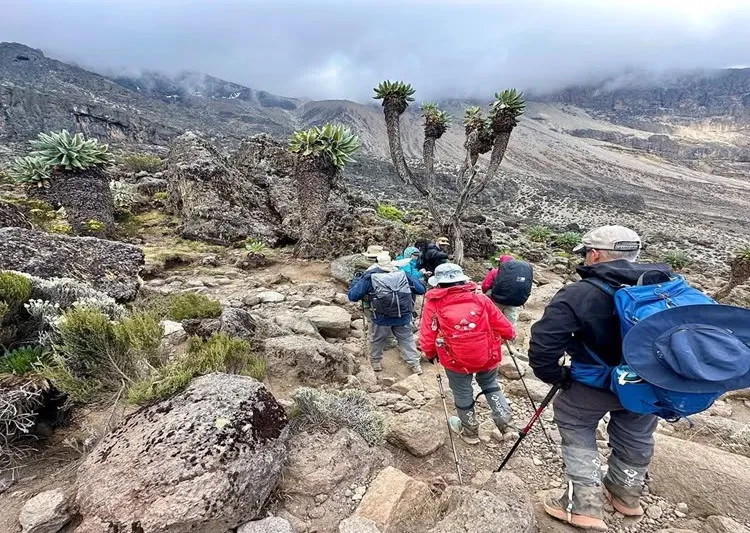
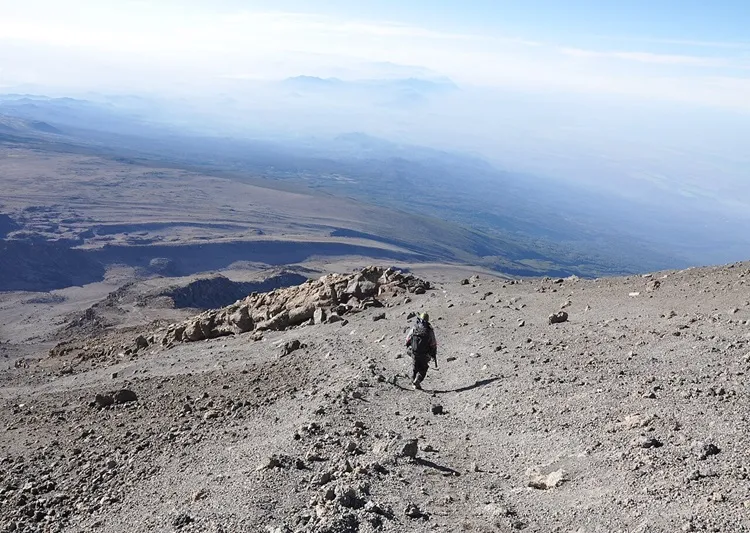
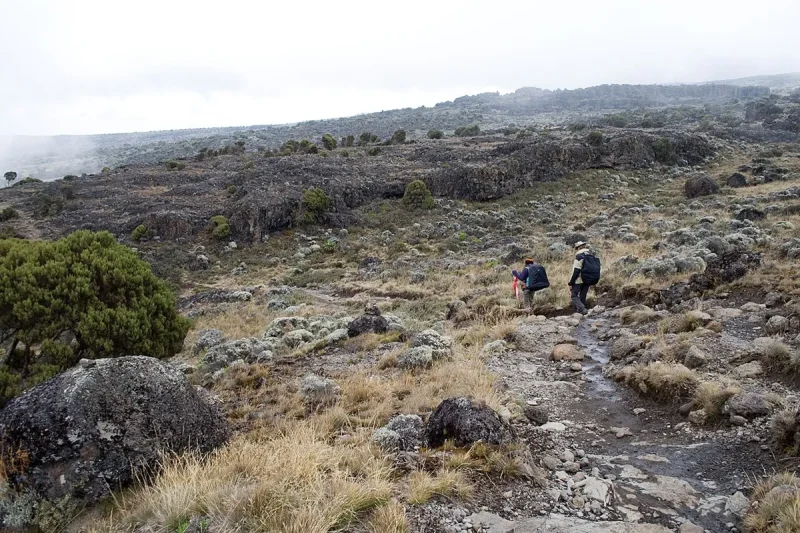
Kilimanjaro inspiration gallery. The supplied Karanga Camp photo shows another route; Karanga is not a stop on the Northern Circuit itinerary below.
Northern Circuit: discover a wider side of Kilimanjaro
The mountain changes as you move around it. On the western approach, forest gives way to the open Shira Plateau. Farther north, the trail becomes a journey across broad slopes and quiet valleys, with Kibo above you and distant lowland horizons appearing whenever the cloud clears.
This 8–9 Days Northern Circuit Kilimanjaro Climb is for travellers who want time on the mountain as well as a summit objective. It starts on the Lemosho side, continues through Moir, Buffalo and Third Cave, and reaches School Hut before a nighttime attempt on Uhuru Peak. The descent follows the southern Mweka trail.
The northern traverse usually sees fewer trekkers than the shared southern trails, although solitude is never guaranteed. Its longer schedule provides more time at altitude than shorter routes, while also requiring more nights outdoors and sustained walking endurance. The summit day remains long, cold and physically demanding.
What makes this journey special?
8 or 9 days: choose the right pace for your climb
9 days: a separate Shira 2 overnight
Walk from Shira 1 to Shira 2, sleep there, then continue to Moir the following day. This breaks up the western plateau approach before the northern traverse.
Consider this version first if your schedule allows the extra day and you want the more measured of these two options. More time supports planning for altitude but does not guarantee acclimatization or a summit.
8 days: a longer Shira 1–Moir stage
Continue from Shira 1 across the plateau to Moir in one day without a Shira 2 overnight. The remaining northern stages and summit objective stay the same.
This is a more compressed variation rather than a different route. Discuss the longer stage, your hiking experience and altitude history before choosing it.
Northern Circuit variants differ. Some add a daytime summit or a separate post-summit Barafu night. This page describes nighttime summit attempts followed by descent to Mweka. Your booking must identify the exact camps and walking plan.
Northern Circuit itineraries: options from 3 to 9 days
The 8- and 9-day plans complete the northern traverse with a summit attempt. The 3–7-day frames are proposed partial-route experiences without Uhuru Peak. They require confirmation of permits, camps, local walks and an approved exit; they are not abbreviated full-circuit summit packages.
Elevations and walking times are approximate. Maps report different campsite measurements, and the final trailhead depends on road access. Your guide may alter the plan for health, weather, trail conditions or park instructions.
9-Day Northern Circuit · Full summit itinerary
Arrive before this mountain programme for your briefing, equipment review and rest. The separate Shira 2 night is the key difference from the eight-day plan.
-
Western registration and forest walk to Mti Mkubwa
Camp roughly 2,650–2,900 m · About 3–4 hours walking, plus transfers and registrationLeave your agreed Arusha or Moshi hotel for Londorossi registration and the onward approach to the Lemosho trailhead. The travel and formalities take a substantial part of the day, so keep the schedule flexible.
Begin through shaded forest, where the walking can be muddy after rain. Settle into Mti Mkubwa, often called Big Tree Camp, and organise the sleeping equipment and clothing you will use each evening.
-
Mti Mkubwa to Shira 1
Camp around 3,500 m · About 5–7 hoursClimb away from the forest into heather and more open ground. The landscape broadens as you approach the Shira Plateau, bringing a different feeling from yesterday’s enclosed canopy.
The increase in sleeping altitude deserves an unhurried pace. Tell your guide how you feel, eat during the day and put on warm layers before the evening temperature drops.
-
Shira 1 to Shira 2
Around 3,500 m → 3,850–3,900 m · About 3–5 hoursCross the plateau toward Shira 2. Open views and changing cloud can make this a rewarding day for photography, but sun protection and a windproof layer remain useful even on apparently gentle terrain.
This overnight divides the western approach into smaller stages. Keep the afternoon relaxed and prepare for the move toward Moir rather than adding unnecessary exertion.
-
Shira 2 to Moir campsite
Finish around 4,200 m · Roughly 4–7 hours, depending on the agreed trailContinue into higher, rockier country and turn toward the northern side. A Lava Tower excursion is possible on some variants, but is included only if specified in your confirmed itinerary and suitable on the day.
At Moir, the landscape feels more exposed and remote. Keep insulation close and use the evening for meals, rest and a careful review of how the altitude is affecting you.
-
Moir to Buffalo Camp
Finish around 4,000–4,020 m · About 5–7 hoursClimb out of the Moir area before following the northern slopes. The day includes changing gradients rather than a simple downhill walk, even though the overnight site is slightly lower.
When conditions clear, the northern aspect opens toward distant plains. Arrive at Buffalo Camp ready for another cool evening and the quieter camp routine of the traverse.
-
Buffalo Camp to Third Cave
Finish around 3,870–3,900 m · About 5–7 hoursContinue across the northern mountain through valleys and open slopes. The value of this stage is time on the trail and a changing perspective rather than gaining the greatest possible height.
At Third Cave, organise your equipment for the next day’s move to summit camp. The campsite name does not mean that your accommodation is inside a cave.
-
Third Cave to School Hut campsite
Around 3,900 m → 4,750–4,800 m · About 4–5 hoursGain height toward School Hut through increasingly bare terrain. The altitude makes a steady pace important, and your guide will assess readiness for the next stage.
Prepare warm layers, headlamp, batteries, snacks and insulated water storage before resting. Your guide explains the departure time, crater-rim approach and the decisions that may require a turnaround.
-
School Hut to Uhuru Peak, then Mweka Camp
Summit 5,895 m · Finish around 3,100 m · Often 12–16 hours overall; some groups take longerStart around midnight for the ascent toward Gilman’s Point and the crater rim. Continue toward Uhuru Peak only when conditions and your health allow. A rim arrival is an important milestone, but is not the same as reaching the highest summit.
After a short summit stop where appropriate, descend on the southern side via the Barafu area toward Mweka. This is a long mountain day with a substantial descent; conserve energy and follow the guide’s instructions throughout.
-
Mweka Camp to Mweka Gate and hotel return
Around 3,100 m → 1,640 m · About 3–5 hoursFinish through forest, watching your footing on wet ground and tired legs. Complete park checkout and collect any certificate earned under park rules.
Meet your agreed transfer to Arusha or Moshi. A hotel night and a relaxed evening make a practical finish before onward travel or another Tanzania experience.
8-Day Northern Circuit · Full summit itinerary
This version omits the Shira 2 overnight. The longer plateau stage should be considered alongside your preparation, rather than selected only to reduce the number of days.
-
Registration and Lemosho forest approach
Mti Mkubwa · About 3–4 hours walkingTransfer for western registration and continue to the trailhead. Walk through forest to the first campsite, allowing time for travel, formalities and camp orientation.
-
Mti Mkubwa to Shira 1
Around 3,500 m · About 5–7 hoursLeave the forest and climb toward the open plateau. A steady pace, regular food and accessible layers help establish a practical mountain routine.
-
Shira 1 to Moir via the plateau
Around 4,200 m · About 6–8 hoursContinue across the Shira area to Moir in one longer stage. There is no Shira 2 overnight and no promised Lava Tower detour in this plan. Discuss the day’s altitude gain and effort before booking.
-
Moir to Buffalo Camp
Around 4,000–4,020 m · About 5–7 hoursEnter the northern traverse, moving through exposed mountain scenery with uphill and downhill sections. Keep your windproof layer and sun protection ready.
-
Buffalo Camp to Third Cave
Around 3,870–3,900 m · About 5–7 hoursFollow the northern slopes to Third Cave. Use the evening for rest and preparation before the ascent to School Hut.
-
Third Cave to School Hut
Around 4,750–4,800 m · About 4–5 hoursClimb to summit camp and prepare your equipment. Readiness depends on your condition and your guide’s assessment, not simply reaching the campsite.
-
Uhuru Peak attempt and descent to Mweka
Highest point 5,895 m · Often 12–16 hours overallAttempt the summit via the crater-rim approach, then descend south via Barafu toward Mweka. Follow turnaround instructions and preserve energy for the long downward section.
-
Mweka Gate and Arusha or Moshi return
About 3–5 hours walking, followed by transferFinish through the forest, complete checkout and meet the vehicle. Your booking should identify the return hotel and whether its overnight stay is included.
7-Day Western & Moir Experience · Proposed non-summit trek
A custom outline for an extended mountain stay. Camps, reverse-trail walking and western vehicle access must be approved and confirmed. It does not reach Buffalo, School Hut or Uhuru Peak.
-
Western registration to Mti Mkubwa
Begin the forest approach and settle into the first camp after the transfer and formalities.
-
Mti Mkubwa to Shira 1
Continue into open moorland and establish a steady pace as the sleeping altitude rises.
-
Shira 1 to Shira 2
Cross the plateau and stay at the approved Shira 2 campsite.
-
Shira 2 to Moir area
Follow the confirmed trail to the higher campsite. Any excursion is agreed separately and depends on your condition.
-
Moir local walk or rest
Remain at the same approved camp and follow a suitable guide-selected programme.
-
Return to the approved Shira-area camp
Retrace the permitted approach to the overnight location named in your final plan.
-
Approved western exit
Walk to the authorised collection point and meet the arranged vehicle. The exact exit and road access require advance confirmation.
6-Day Shira Plateau Experience · Proposed non-summit trek
This partial-route outline focuses on the western landscapes. Confirm all camps, local walking permissions and the collection point before treating it as an available departure.
-
Forest walk to Mti Mkubwa
Transfer, register and begin the mountain on the Lemosho approach.
-
Mti Mkubwa to Shira 1
Climb out of the forest and settle into the plateau environment.
-
Shira 1 to Shira 2
Continue at a controlled pace to the next approved campsite.
-
Local plateau walk or rest
Return to the same camp after a permitted walk, or rest according to your guide’s assessment.
-
Return to the agreed western camp
Follow the approved route toward the camp specified for your exit plan.
-
Western collection and hotel return
Walk to the confirmed vehicle-access point and return to your hotel. No full circuit or summit is included.
5-Day Forest & Shira Stay · Proposed non-summit trek
A possible scenic trekking programme without the upper northern traverse. Repeated camp nights and return walking require confirmation.
-
Trailhead to Mti Mkubwa
Walk through the forest after the agreed registration and transfer.
-
Mti Mkubwa to Shira 1
Gain height into moorland and spend the night at the approved plateau campsite.
-
Shira 1 exploration or rest
Enjoy a suitable permitted local walk or a rest-focused day, returning to the same camp.
-
Approved return toward Mti Mkubwa
Descend on the confirmed trail, taking care on steep or wet ground.
-
Trailhead and hotel return
Complete the final walk and meet the vehicle for Arusha or Moshi.
4-Day Western Forest & Plateau Trek · Proposed non-summit itinerary
This outline introduces the forest and plateau only. Confirm campsite access and the permitted return trail before booking.
-
Forest approach to Mti Mkubwa
Begin the journey with a guided walk after registration and transfer.
-
Continue to Shira 1
Climb into open country, subject to your condition and the guide’s assessment.
-
Return to the lower camp
Retrace the approved approach toward Mti Mkubwa, watching footing on uneven ground.
-
Trailhead and return transfer
Finish through forest and return to your agreed hotel. This plan does not enter the northern traverse.
3-Day Western Forest Introduction · Proposed non-summit trek
A possible introduction to mountain camping, requiring confirmation of a second camp night and any local walking permissions.
-
Western registration and forest trail
Transfer and walk to Mti Mkubwa, carrying your essential layers and personal supplies.
-
Guided forest experience or rest
Follow a suitable approved local walk and return to the same campsite. Shira Plateau is not promised in this version.
-
Descend and return to your hotel
Finish on the authorised return trail, complete checkout and meet the vehicle. No summit or northern circuit is included.
Life on the Northern Circuit: camping and daily routines
Sleeping on the mountain
This is a camping journey, including at sites named Moir Hut and School Hut. Names do not promise indoor sleeping accommodation. Nights can be cold, and exposed camps make a suitable sleeping system important.
Confirm tent sharing, sleeping mat, dining setup and toilet arrangements. Ask about single tents, private toilets and sleeping-bag rental as separately priced items unless already listed.
Daypack and main luggage
Keep water, rainwear, insulation, snacks, sunscreen, valuables and personal medication with you. Crew-carried luggage may not be accessible during the walking stage.
Use a waterproofed soft duffel and confirm the bag-weight allowance. Keep dry sleeping clothes separate and organise small essentials before the summit departure.
Food and drinking water
Confirm the mountain meal plan and how drinking water is treated and supplied. Share dietary needs and allergies early, including whether alternatives can be managed throughout the trip.
Bring refillable containers, suitable cold-weather water storage and snacks you enjoy. Eat regularly and drink sensibly without forcing excessive amounts.
A sustainable camp routine
Longer expeditions reward simple habits: check your feet, protect dry clothing, eat, rest and tell the guide how you feel. A slower afternoon is useful preparation for the next stage.
Expect dust, cold, variable weather and limited facilities. Prepare for several nights away from hotel comforts rather than viewing each camp as a lodge stop.
When to climb and how to prepare
Choosing your travel window
January to early March and June to October are commonly considered for comparatively drier trekking conditions. Rain, cloud, wind and cold can still occur in any season. A drier northern aspect does not remove wet conditions from the western forest or guarantee clear summit weather.
Plan the complete holiday: arrive for a briefing and equipment check, add a hotel night after descent and avoid tight onward connections. Eight or nine mountain days are not the total number of days needed in Tanzania.
Fitness and route suitability
Train progressively with hiking, uphill walking, careful descents and consecutive active days. Use the boots and daypack you intend to bring, and build strength and balance gradually. The longer route asks for endurance over many days, not only strength for summit night.
Prepared first-time high-altitude trekkers can discuss this route, but suitability depends on your health, experience and ability to manage extended camping. Tell the team about previous altitude reactions, mobility concerns and any relevant medical conditions.
Altitude and guide decisions
More days allow more time at altitude, but no route guarantees acclimatization. Fitness does not prevent altitude illness. Report headache, nausea, dizziness, unusual fatigue or poor appetite promptly, and do not continue ascending with altitude-illness symptoms.
Worsening symptoms, confusion, difficulty walking or breathlessness at rest require urgent action and descent. Discuss personal risks and any medication with a clinician familiar with high-altitude travel. Ask the operator about emergency procedures, communication, equipment and evacuation arrangements before booking.
Insurance and documents
Choose insurance explicitly covering trekking to 5,895 m, emergency treatment, evacuation and repatriation. Read the exclusions and disclose relevant conditions. Confirm the passport, visa and any vaccination documentation required for your nationality and travel history.
Separate airport transfers from hotel-to-gate transport in your planning. Confirm your pickup city, final hotel, luggage storage and rental collection in writing.
What to bring for an 8–9-day Kilimanjaro climb
Request a final packing list and porter luggage allowance. A longer trip needs thoughtful organisation, not necessarily a larger bag.
Your climb quote: clear services and complete costs
Request a written proposal for your dates, group size and preferred duration. Compare actual camps and services rather than a headline price. Nine-day variants can differ, so check the route before comparing totals.
Ask the quote to specify
- Mountain guiding, cooking, porter services, crew welfare and luggage allowance.
- All camp nights, tent sharing, mats, dining equipment and toilet arrangements.
- Mountain meals, dietary requirements and treated drinking-water provision.
- Hotel-to-trailhead transfer, registration arrangements and Mweka return.
- Emergency procedures and the equipment carried by the team.
- Whether park entry, camping, rescue charges and applicable taxes are included or payable separately.
Budget separately unless included
- International and domestic flights, visas and personal travel insurance.
- Airport transfers and pre/post-climb hotel nights not listed in the quote.
- Personal equipment, rentals and optional camp upgrades.
- Crew tips, personal purchases and extra drinks.
- Costs arising from itinerary changes or early descent.
- Medical treatment and evacuation expenses, subject to insurance cover.
What do you eat on Kilimanjaro?
Food is part of the daily rhythm of a longer climb. Explore our guide to mountain meals, then discuss the actual menu, dietary needs and drinking-water arrangements for your Northern Circuit booking.
Ask how the first day, last day and summit attempt are catered for. Bring a few familiar snacks and tell the team about allergies before departure.
Explore the Kilimanjaro food guide →Extra activities on request
After allowing recovery time, continue with a Tanzania wildlife safari, an easy cultural experience or a Zanzibar beach stay. Ask for additional transport, accommodation, permits and activities to be itemised separately.
If your focus is the mountain, keep arrival and departure arrangements simple. Tell Kilinge Adventures what matters most so the proposal includes the extras you actually want.
Northern Circuit questions answered
What changes between eight and nine days?
The nine-day plan here includes a Shira 2 overnight. The eight-day version continues from Shira 1 to Moir in a longer stage. Both retain the northern traverse through Buffalo and Third Cave to School Hut.
Can I complete the full circuit in three to seven days?
The shorter options on this page are partial-route, non-summit proposals. They do not complete the full Northern Circuit or reach Uhuru Peak. Camps, access and exits require confirmation.
Does this route visit Karanga or Barranco Wall?
No. These itineraries follow the northern slopes. The supplied Karanga background photo is general Kilimanjaro imagery, not a promised stop.
Will I sleep in huts?
This is a camping programme. Moir Hut and School Hut are location names; they do not guarantee hut accommodation. Confirm the actual sleeping arrangements in writing.
Is a longer route guaranteed to reach the summit?
No. More time can help with acclimatization planning, but altitude response, health and conditions vary. Your guide may change the plan or turn around when necessary.
Is Lava Tower included?
It is an optional itinerary variation on the nine-day approach only when expressly included and appropriate. The eight-day plan here does not promise a Lava Tower detour.
Can pickup be arranged in Arusha or Moshi?
Request either city. Confirm the hotel, pickup time, western registration transfer and final return destination. Airport transfers are separate unless listed in the package.
Can a solo traveller join?
Ask for available joining dates or a private-climb quote. Group numbers, tent sharing and supplements require confirmation before booking travel.
Read experiences from Kilinge Adventures travellers
Explore feedback about guiding, communication and the overall journey. Check the route and dates described in each review to understand how they relate to your plans.
Explore traveller feedback
Read reviews on our SafariBookings profile. After travelling with us, you are welcome to share an honest review of your own experience.
Visit SafariBookings ↗Discover guest experiences
Visit our TripAdvisor profile for independent guest feedback. Your honest review after your trip can help future travellers plan.
Visit TripAdvisor ↗Review links open in a new tab. Feedback reflects individual journeys and conditions.
Start planning your Northern Circuit climb
Tell Kilinge Adventures your preferred dates, number of travellers, starting city and whether you are considering eight or nine mountain days. Share your hiking background, previous altitude experience, equipment needs and dietary requirements.
Request a written proposal with the exact camp sequence, services, total price and booking terms. For a shorter non-summit experience, mention your preferred 3–7-day duration so the team can check the permitted plan and availability.