Discover Kilimanjaro Mountain Food & Dining Explore What You Eat on Mount Kilimanjaro
- Trip Overview
- Similar Tours
Discover More About Kilimanjaro Trekking Meals
Wondering what you eat on Mount Kilimanjaro? Explore our complete guide to mountain breakfasts, trekking lunches, warm dinners, energy snacks, hydration and seasonal food preparation. Discover what to expect before your Kilimanjaro adventure with Kilinge Adventures.
What's included
KILINGE ADVENTURES · TANZANIA
What Do You Eat on Kilimanjaro?
From porridge before the first climb to a hot dinner at camp, find out what meals can look like on Kilimanjaro and what to confirm for your route, season and dietary needs.
Explore the Meal GuideHow Meals Work on a Kilimanjaro Trek
A day on Kilimanjaro might start with porridge, eggs and tea, continue with a packed lunch on the trail, and finish with soup and a hot meal. Cooking and serving arrangements depend on the route and the package. Ask whether you’ll eat in a dining tent or use facilities at a hut stop, and how meals are organised when the crew moves to the next camp.
The walking schedule shapes when you eat. On a short stage, a hot meal after reaching camp may work well. On a longer stage, a packed lunch lets the team stop along the route. The examples below give you a starting point for discussing actual dishes, meal counts, drinking water and any special requirements with Kilinge Adventures.
What Do You Eat on Summit Night?
On a summit itinerary, the final ascent often starts at night. The exact meal times depend on your route and guide’s departure plan. Confirm the sequence at the briefing before the climb, then check it again at high camp.
- Before resting. An earlier dinner may leave time to eat and get some rest. Ask what the kitchen can prepare and when you need your daypack ready.
- Before departure. Some crews offer a hot drink and a light snack. Confirm what is served and which snacks and bottles you’ll carry yourself.
- During the ascent. Keep familiar snacks accessible. Discuss with your guide how to carry drinks in the overnight cold and when the group will pause.
- After returning to camp. Ask whether there is time for a hot meal and a rest before continuing down, and when the next full meal is planned.
Kilimanjaro Food and Meals by Season
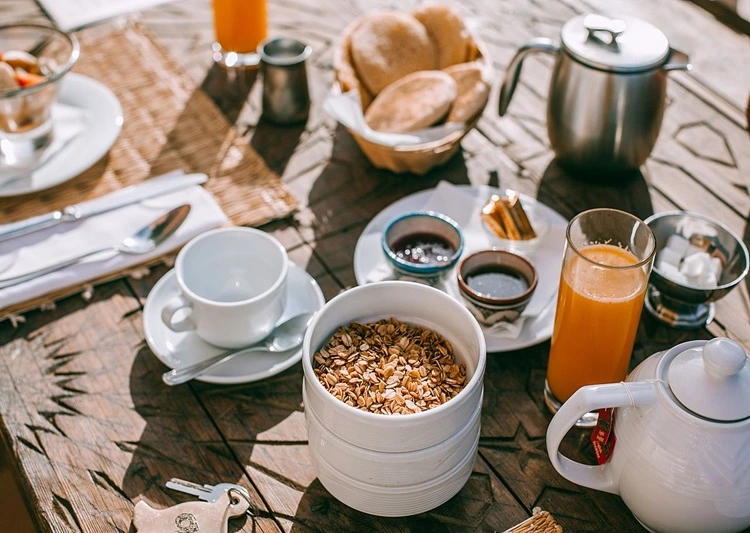
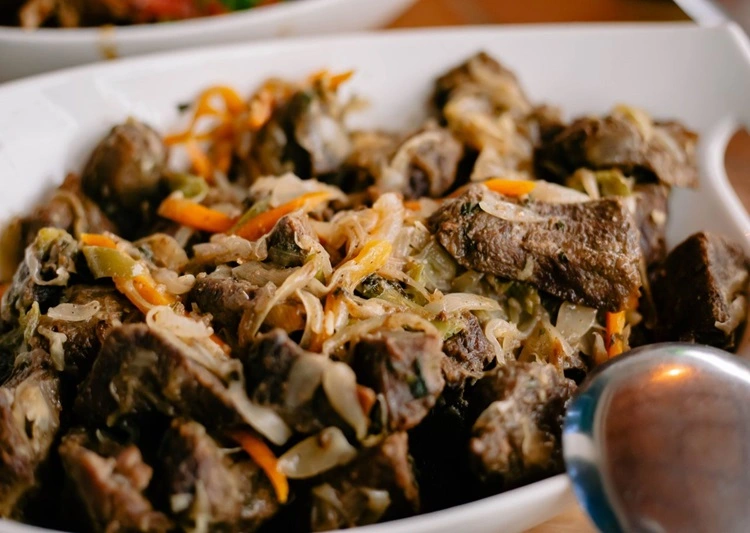
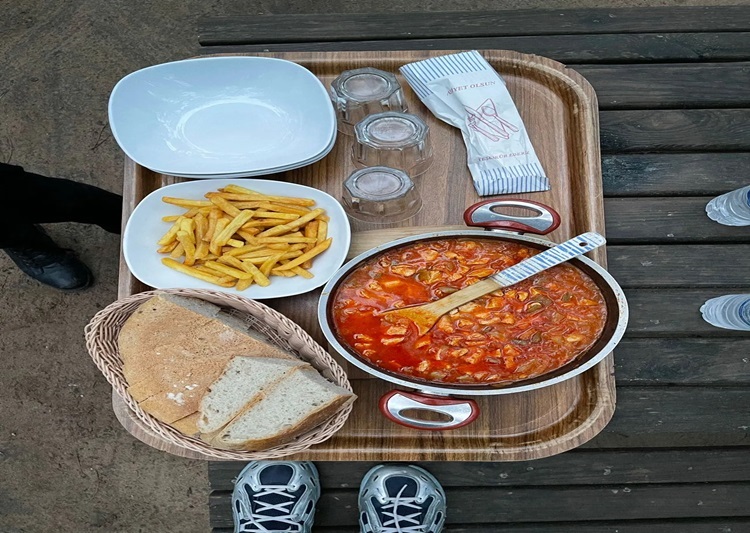
Weather affects where you stop, how long you walk and how you carry food. Menus depend on the kitchen and supplies. Tap a small photo to enlarge it. The photos illustrate meal styles across the guide.
 Enlarge photo
December–Early March · Early-Year Trekking Window
Conditions are often drier during this window, with cool nights higher on the mountain. Check the breakfast schedule if you want to start walking early, especially on stages with a substantial climb.
Breakfast and lunch. Ask about a hot breakfast before departure and check whether lunch comes with you on the trail. Keep a snack handy on days when you expect to reach camp later.
Dinner. Confirm serving time and whether the cook can prepare a simpler meal if your appetite has changed. For festive dates, ask about any special menu or charge before booking.
 Enlarge photo
March–May · Long Rains
Rain can slow the walk through lower forest sections and shorten a planned trail break. Ask what the crew will do if the walking schedule shifts or the group reaches the next stop later than expected.
Breakfast and lunch. Confirm breakfast time at the evening briefing. If lunch is packed, keep it in a dry, accessible part of your daypack so it’s easy to reach during a short break.
Dinner. Find out when the kitchen expects to serve the evening meal and whether a hot drink or soup is available after arrival.
 Enlarge photo
Late June–September · Main Dry Season
Drier conditions can make trail meals easier to plan, while cold mornings and altitude still shape what you feel like eating. June starts as a transition month, so confirm conditions for your dates.
Breakfast and lunch. Ask whether you’ll have a warm breakfast before the start. On longer walking days, check what the lunch box contains and how the crew handles water refills.
Dinner. On summit routes, ask what will be served at high camp and whether the crew supplies a separate snack before the overnight departure.
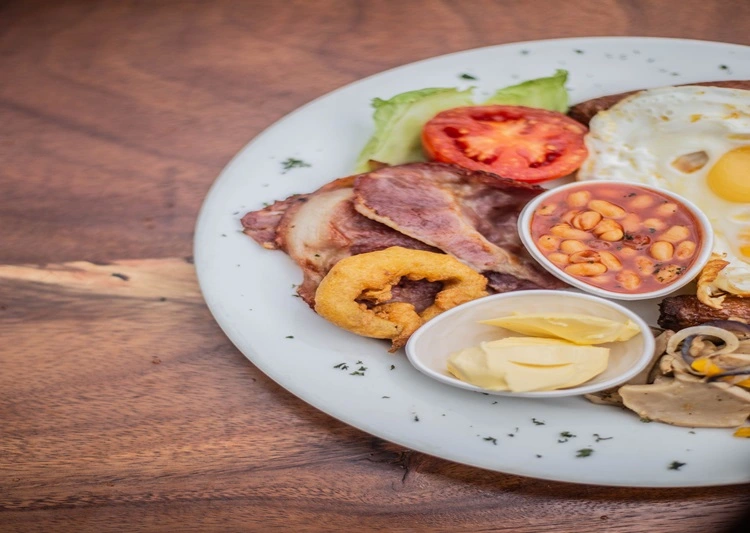 Enlarge photo
October–November · Short Rains
Showers and wet ground can change the pace of a stage. Check the guide’s plan each evening, especially if you have a long walk between meals or a packed lunch prepared by the crew.
Breakfast and lunch. Eat at the agreed breakfast time and ask where the guide expects to stop. Keep a familiar snack separate from your lunch box so you can reach it quickly.
Dinner. Confirm the timing after longer stages and remind the team about any dietary requirements before the trek starts, while ingredients can still be arranged.
Drinking Water and Appetite at Altitude
Ask how drinking water is treated, when the crew refills bottles and how much you’ll need to carry between stops. Check whether the team provides hot drinks at mealtimes and what it recommends for carrying water on summit night.
If you lose your appetite or have nausea along with symptoms such as headache, dizziness or unusual fatigue, tell your guide promptly. Avoid ascending to a higher sleeping altitude while experiencing symptoms of altitude illness. If symptoms worsen while resting at the same altitude, descend.
Read the CDC’s guidance on high-altitude travelSpecial Diets and What to Confirm Before Booking
Vegetarian, Vegan and Halal Meals
Send your requirements before booking and ask for examples for breakfast, packed lunch and dinner. For vegan meals, mention ingredients such as butter, milk, eggs and stock. For halal meals, specify any certification or preparation requirements.
Food Allergies and Gluten-Free Requests
List the exact foods or ingredients you need to avoid. Ask about shared utensils, cooking surfaces and how the team labels packed meals. Get written confirmation of what the mountain kitchen can accommodate and review it during the pre-trek briefing.
Meals Included by Day
Ask for the number of breakfasts, lunches and dinners. Check the first meal on pickup day and the last meal after descent, as well as any hotel meals or transfer-day food you expect to be included.
Water, Snacks and Dining Equipment
Confirm refill arrangements, personal snacks, hot drinks and any dining equipment you need to bring. For a summit trek, ask the crew to list what it provides before departure, during the ascent and after you return to camp.
Explore Three-Day Marangu Treks
For a short trek, focus your meal questions on the first breakfast, the mountain overnights and lunch on the final descent. These Marangu pages help you compare the route descriptions before requesting the meal plan for your dates.
Marangu Route 3 Days Itinerary
See the daily stages to Mandara and Horombo and plan your meals around the final descent.
Read the day-by-day itinerary →3 Days Marangu Route · Kilimanjaro Trekking
Explore the trek page and ask about hut meals, water refills and dietary arrangements.
Explore the Marangu trek →Frequently Asked Questions
Is lunch always packed?
Lunch can be packed for the trail or served hot at a camp or hut. The walking distance and kitchen arrangements determine which works for each stage.
Are all meals included on the first and last days?
Check the written itinerary for the first meal after pickup and the last meal before or after drop-off. Ask separately about hotel breakfasts and post-trek meals.
Does every trek have a summit-night meal plan?
Summit itineraries have a separate plan for the overnight ascent. The three-day Marangu itinerary turns around at Horombo Hut, with meals arranged around daytime walking stages.
Can I bring my own snacks?
Ask the crew what it supplies and pack some familiar foods for longer walking days. Tell the booking team about any dietary constraints so it can plan meals alongside the snacks you bring.
Read and Share Kilinge Adventures Reviews
SafariBookings
Read feedback from Kilinge Adventures guests or share your experience after travelling with us.
Read or Write a SafariBookings ReviewTripAdvisor
Browse traveller reviews of Kilimanjaro hikes and other trips, or review your completed experience.
Read or Write a TripAdvisor Review