Challenge Yourself on Kilimanjaro's Steepest Trails Spectacular 6-7 Days Umbwe Route Climbing Adventure
- Trip Overview
- Similar Tours
Experience the 6-7 Days Umbwe Route Kilimanjaro Climb 2027 with Kilinge Adventures. Discover one of Kilimanjaro's most challenging and adventurous climbing routes, featuring steep rainforest trails, dramatic mountain ridges, scenic valleys and spectacular volcanic landscapes.
Choose between six-day and seven-day guided trekking itineraries featuring professional mountain guides, mountain camping, challenging ascents and a rewarding journey toward Uhuru Peak at 5,895 metres above sea level.
Welcome to explore our detailed Umbwe Route itineraries, climbing highlights, mountain accommodation, trekking meals, seasonal weather and essential preparation tips. Continue reading to discover what makes this challenging Kilimanjaro climbing adventure from Moshi so remarkable.
What's included
6–7 Days Umbwe Route Kilimanjaro Climb from Arusha or Moshi
Enter the mountain through a steep forest ridge, emerge into Barranco Valley and continue toward Barafu for your Uhuru Peak attempt. Explore six- and seven-day camping itineraries designed for a serious mountain journey.
Umbwe Route: from a forest ridge to Kilimanjaro’s summit slopes
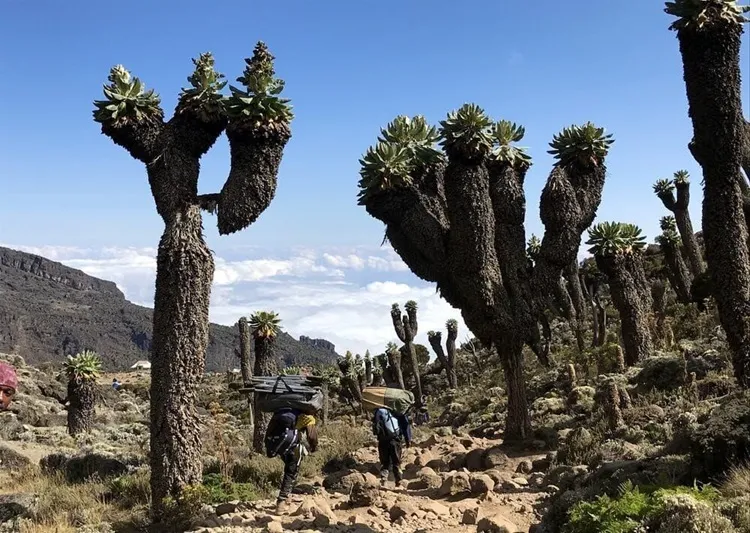
The opening days on Umbwe feel close to the mountain. Tree roots cross the trail, the forest closes around the ridge and the path asks for steady footwork almost from the start. As the canopy thins, the scale of Kilimanjaro begins to emerge: open slopes, deep valleys and the upper mountain rising above the clouds.
This 6–7 Days Umbwe Route Kilimanjaro Climb follows the southern approach from Umbwe Gate to Umbwe Cave Camp and Barranco. From there, it joins the southern trail through Karanga and Barafu, attempts Uhuru Peak via Stella Point when appropriate, and descends through Mweka.
Umbwe is a steep, direct route with rapid early altitude gain. It is best discussed by experienced, well-prepared hikers who understand that strong fitness does not guarantee acclimatization. The seven-day version adds a second night at Barranco; it provides more time but does not remove the demands of reaching nearly 4,000 m in the first two days.
What makes the Umbwe journey distinctive?
6 or 7 days on Umbwe: choose with the altitude profile in mind
7 days: a second night at Barranco
After the steep first two days, remain at Barranco for an additional night. A suitable local acclimatization walk or rest programme can be arranged according to your guide’s assessment.
The remaining stages keep separate nights at Karanga and Barafu. This is the more measured of the two itineraries shown, although the rapid early ascent still needs careful consideration.
6 days: no extra Barranco night
Continue from Barranco to Karanga on day three, then Barafu on day four. Both versions include a Karanga overnight; the difference is the additional Barranco day in the seven-day plan.
Discuss this compressed schedule in the context of your trekking experience and recent altitude exposure. Saving one day should not be the only reason to choose it.
If you are new to high-altitude trekking, ask whether a longer alternative would suit you better. Previous acclimatization is relevant but does not guarantee how you will respond on this climb.
Umbwe itineraries: explore 3 to 7 days
The 6- and 7-day plans are summit itineraries. The 3–5-day frames are proposed non-summit experiences for travellers interested in the mountain without an Uhuru Peak attempt. Short-trek camp bookings, access and descent arrangements require confirmation before booking.
All elevations, distances and walking times are approximate. Weather, trail conditions, park instructions and your guide’s assessment may alter the plan. A short distance can still take several hours on steep terrain.
7-Day Umbwe Route · Summit itinerary
Arrive before the mountain programme for a briefing, equipment check and rest. The extra day is spent at Barranco, following the demanding initial ascent.
-
Umbwe Gate to Umbwe Cave Camp
Around 1,600 m → 2,900 m · Approximately 10–11 km · 5–7 hoursLeave your agreed Arusha or Moshi hotel for the registration arrangements and onward transfer to Umbwe Gate. Once ready, begin the forest climb, where the trail becomes narrower and steeper as it follows the ridge.
Roots, mud and uneven steps call for careful foot placement. Keep essential layers, water and personal supplies in your daypack. At Umbwe Cave Camp, organise your sleeping space and discuss how the day felt with your guide. The campsite name does not mean sleeping inside a cave.
-
Umbwe Cave Camp to Barranco Camp
Around 2,900 m → 3,960 m · Approximately 6 km · 4–6 hoursContinue on steep ground as the forest thins into heather and more open mountain terrain. The scenery widens, but the effort and altitude remain significant. Avoid judging the day only by its relatively short distance.
Approach Barranco Valley and settle into camp beneath the upper slopes. You have gained altitude quickly over two days, so reporting headache, nausea, unusual fatigue or a poor appetite is especially important.
-
Barranco acclimatization and rest day
Second night around 3,960 m · Optional local walk, often 1–3 hoursRemain at the same campsite. Your guide may select a suitable permitted out-and-back walk, or a rest-focused programme depending on your condition and the weather.
Use the day for regular meals, equipment checks and recovery. A day labelled for acclimatization is not a guarantee that your body has adjusted; the plan must respond to how you actually feel.
-
Barranco Wall to Karanga Camp
Around 3,960 m → 4,000 m · Approximately 5 km · 4–6 hoursBegin with the steep scramble up Barranco Wall. Use your hands for balance where needed, secure trekking poles and follow your guide’s instructions through the narrower sections. Patient spacing is more useful than trying to move quickly.
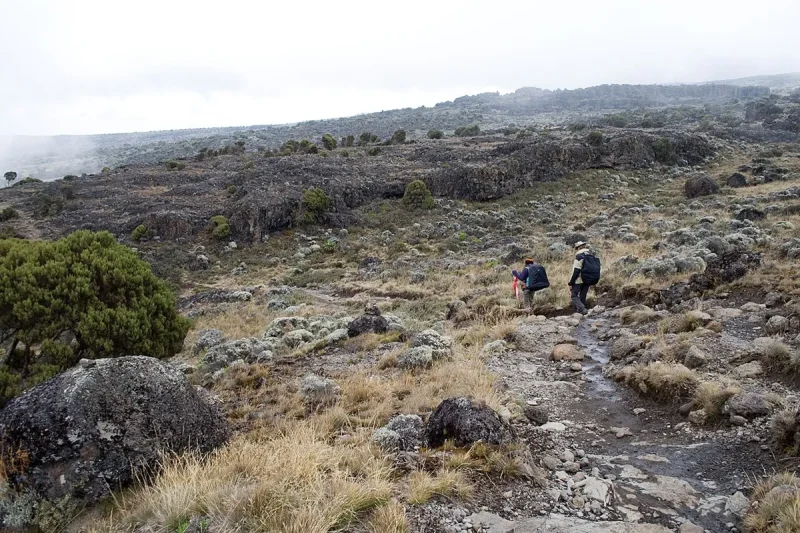
Beyond the wall, cross the rolling southern terrain and Karanga Valley before the final climb to camp. Rest and prepare for the next stage rather than treating the similar overnight elevation as an easy walking day.
-
Karanga to Barafu Base Camp
Around 4,000 m → 4,670 m · Approximately 4 km · 3–5 hoursWalk through increasingly bare, exposed terrain toward Barafu. The stage is shorter, but the altitude makes a controlled pace important. On arrival, focus on eating, resting and organising your summit equipment.
Your guide explains the expected departure time, warm layers, headlamp checks and turnaround decisions. Prepare snacks and insulated water storage before lying down for an early rest.
-
Barafu to Uhuru Peak, then Mweka Camp
Summit 5,895 m · Finish around 3,100 m · Roughly 17 km overall · Often 10–16 hours including stopsThe summit attempt normally begins around midnight. Walk steadily through cold and darkness toward Stella Point, then continue around the crater rim to Uhuru Peak only if your guide considers it appropriate. Sunrise timing and visibility depend on weather and progress.
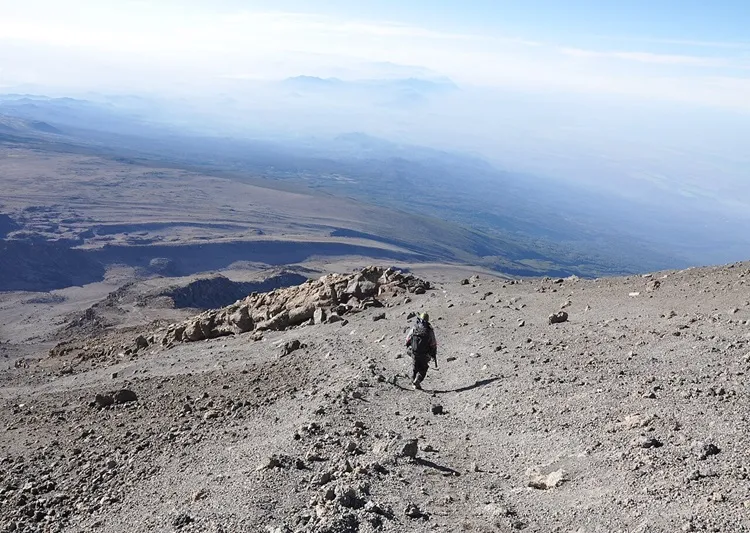
After a short summit stop when possible, descend to Barafu for a break and continue toward Mweka. Loose ground and tired legs require concentration. The aim is a complete mountain day with enough energy for the descent, not only the climb to the top.
-
Mweka Camp to Mweka Gate and hotel return
Around 3,100 m → 1,640 m · Approximately 10 km · 3–5 hoursDescend through the forest, watching your footing on wet or muddy sections. Complete park checkout and collect any certificate earned under park rules.
Meet the arranged return vehicle for Arusha or Moshi. Confirm your destination hotel and overnight arrangements in advance, and allow recovery time before a safari, flight or another demanding activity.
6-Day Umbwe Route · Summit itinerary
This version removes the additional Barranco day. It keeps the same steep approach and the same southern summit route, with less time before moving higher.
-
Umbwe Gate to Umbwe Cave Camp
5–7 hours · Camp around 2,900 mTransfer, complete registration and begin the forest ridge ascent. Manage the steep ground carefully and establish a sustainable walking pace from the start.
-
Umbwe Cave to Barranco
4–6 hours · Camp around 3,960 mContinue out of the forest toward the open upper slopes and Barranco Valley. The rapid increase in sleeping altitude makes honest communication with your guide essential.
-
Barranco Wall to Karanga
4–6 hours · Camp around 4,000 mScramble over the wall and cross the southern valleys to Karanga. Unlike the seven-day version, this stage follows immediately after your first night at Barranco.
-
Karanga to Barafu
3–5 hours · Camp around 4,670 mApproach base camp through exposed terrain. Rest after arrival and prepare warm layers, headlamp, snacks and water for the planned summit departure.
-
Uhuru Peak attempt and descent to Mweka
Highest point 5,895 m · Often 10–16 hours overallAscend toward Stella Point and continue to Uhuru if appropriate. Descend through Barafu to Mweka, following your guide’s pace and any necessary turnaround decision.
-
Mweka Gate and return to Arusha or Moshi
3–5 hours walking, followed by hotel transferFinish through the forest, complete checkout and meet the vehicle. Confirm whether the post-climb hotel and meals are included in your package.
5-Day Umbwe & Barranco Experience · Proposed non-summit trek
A custom outline requiring park and operator confirmation. Although it does not attempt the summit, it still reaches nearly 4,000 m in two days. Confirm the permitted Barranco-to-Mweka connection, total walking time and your suitability before booking.
-
Umbwe Gate to Umbwe Cave Camp
Begin the forest climb after registration and transfer. Spend the night at the first designated camp and assess how you are feeling before continuing higher.
-
Umbwe Cave to Barranco
Follow the steep upper approach to the valley campsite. Keep the focus on a sustainable pace, symptoms and changing conditions.
-
Barranco rest or suitable local walk
Stay at the same approved campsite. Any local walk is selected by your guide; this proposal does not include Barafu, the Western Breach or Uhuru Peak.
-
Approved descent connection toward Mweka Camp
Follow only the park-approved route confirmed in your booking. This can be a long walking day; the exact trail, intermediate terrain and overnight site must be agreed before departure.
-
Mweka Gate and hotel return
Complete the lower forest descent, check out and return to your agreed hotel. If this custom connection is not authorised, request a different confirmed short-trek plan.
4-Day Umbwe Forest & Ridge Trek · Proposed non-summit itinerary
This proposal keeps a lower base rather than rushing to Barranco. Repeated camp nights, local walking and a return down Umbwe require explicit confirmation. It is a demanding forest trek, not a summit itinerary.
-
Trailhead to Umbwe Cave Camp
Register and ascend through the forest, allowing roughly 5–7 hours. Settle into camp and review the remaining programme with your guide.
-
Permitted local ridge walk
Take a guided out-and-back walk only where approved, returning to the same campsite. The destination depends on weather, conditions and your response to the first day.
-
Forest experience or rest
Enjoy a suitable short walk or spend a quieter day at camp. No visit to Barranco, Karanga or a particular high point is promised.
-
Approved return to Umbwe Gate
Descend carefully along the confirmed return trail, complete checkout and meet the vehicle for Arusha or Moshi. Your final proposal specifies the permitted exit.
3-Day Umbwe Forest Introduction · Proposed non-summit trek
A possible short mountain experience, subject to permits, camp availability and confirmation of the descent. The steep approach still requires fitness and suitable footwear.
-
Umbwe Gate to Umbwe Cave Camp
Begin after the agreed transfer and registration. Walk the steep forest trail and settle into your first night of mountain camping.
-
Local guided walk or rest day
Follow an approved out-and-back trail suited to your condition, or rest at camp. Return to the same overnight location; this itinerary does not reach Barranco or the summit.
-
Confirmed descent and hotel transfer
Return by the permitted trail, watching your footing on roots and wet ground. Complete checkout and continue to your agreed Arusha or Moshi hotel.
Camping, meals and daily life on Umbwe
Mountain accommodation
These itineraries use tents at designated camps. Campsites can be rocky, muddy or exposed, so a suitable sleeping bag, insulating mat and dry sleeping clothes are important.
Ask your quote to specify tent sharing, mat provision, dining setup and toilet arrangements. Single tents, private toilets and equipment rentals should only be expected when listed in writing.
Food and drinking water
Confirm the mountain meal plan, including the first day, last day and summit attempt. Tell the team about dietary requirements and allergies before departure so practical arrangements can be discussed.
Ask how drinking water is treated and supplied. Bring refillable containers suitable for cold weather and snacks you enjoy. Eat regularly and drink sensibly without forcing excessive amounts.
Personal bags and luggage
Carry rainwear, insulation, water, snacks, valuables, sun protection and personal medication in your daypack. Keep essentials with you throughout the walking day.
Use a compact, waterproofed soft duffel for crew-carried luggage. Confirm the porter weight allowance, rental collection and any hotel storage for items left behind.
The daily routine
Expect early starts, packing, walking with short breaks and time at camp for meals and rest. On steep stages, moving consistently is more useful than alternating between rushing and long stops.
Evenings are a good time to check your feet, prepare layers and speak honestly with your guide. Summit night involves a different timetable, so organise small essentials before going to rest.
Plan your mountain meals before departure
Read our Kilimanjaro food guide, then confirm the actual menu, dietary arrangements and water provision for your climb.
Explore Kilimanjaro food and meals →When to climb and how to prepare
Choosing your travel dates
January to early March and June to October are commonly considered for comparatively drier trekking conditions. Rain can still affect the forest, while wind, cold and cloud can develop higher up in any season. Wet roots and mud can make Umbwe’s steep opening stages particularly demanding.
Allow an arrival day for a briefing and equipment check, then a hotel night after descent. Avoid tight flight connections and leave recovery time before continuing with another active itinerary.
Fitness, experience and route suitability
Train with progressive hiking, sustained uphill walking, careful descents and consecutive active days. Use the boots and daypack you intend to bring, and build strength and balance gradually around your health and experience.
Umbwe’s narrow, steep approach and rapid altitude gain deserve a specific suitability discussion. Tell the team about your hiking history, previous altitude exposure, mobility concerns and comfort on scrambling terrain. A longer route may be a better choice even for a fit traveller.
Altitude and health decisions
Altitude illness can affect strong, experienced hikers. An extra day provides more time but does not guarantee acclimatization. Report headache, nausea, dizziness, unusual fatigue or poor appetite promptly, and do not continue ascending with altitude-illness symptoms.
Worsening symptoms, confusion, difficulty walking or breathlessness at rest require urgent action and descent. Discuss personal risk and any medication with a clinician familiar with high-altitude travel. Ask the operator about emergency procedures, communication, equipment and evacuation arrangements before booking.
Insurance and travel documents
Choose insurance explicitly covering trekking to 5,895 m, emergency medical treatment, evacuation and repatriation. Check the policy exclusions and disclose relevant medical conditions. A park rescue charge is not the same as comprehensive personal insurance.
Check entry requirements for your nationality and travel history, including passport validity, visas and any applicable vaccination documents. Your booking should distinguish airport transfers from hotel-to-gate transport and identify the agreed pickup and return hotels.
What to bring for your Umbwe Route climb
Request a final equipment list and porter weight allowance before packing. Comfortable, tested essentials are more useful than an oversized bag of unfamiliar gear.
Your Umbwe quote: know exactly what is covered
Request a written quote based on your dates, group size and chosen duration. Compare the campsite sequence and actual services, including crew arrangements, equipment, meals and transfers, rather than relying on a headline price.
Ask the quote to specify
- Mountain guiding, cooking and porter services, crew welfare and luggage allowance.
- Number of mountain nights, tent sharing, mats and dining equipment.
- Meal arrangements, dietary needs and treated drinking-water provision.
- Hotel pickup, gate transfers and the final return destination.
- Emergency procedures and the equipment carried by the team.
- Whether park entry, camping, rescue charges and applicable taxes are included or payable separately.
Budget separately unless included
- International or domestic flights, visas and travel insurance.
- Airport transfers and pre/post-climb hotels not listed in the package.
- Personal equipment, rentals, single tents and optional upgrades.
- Crew tips, drinks and personal spending.
- Additional costs following itinerary changes or early descent.
- Medical treatment and evacuation expenses, subject to your insurance.
Extra activities on request
After allowing time to recover, extend your Tanzania journey with a wildlife safari, an easy cultural experience or a Zanzibar beach stay. Discuss timing around the descent rather than arranging strenuous activities immediately after the climb.
Ask Kilinge Adventures to include only the extras you want. Accommodation, transport, permits and optional activities should be shown separately in your proposal.
Umbwe Route questions answered
Is Umbwe suitable for beginners?
Its steep approach and rapid early altitude gain make it a demanding choice. Discuss your experience and health before choosing it; a longer alternative may be more appropriate for a first high-altitude trek.
What changes between six and seven days?
The seven-day itinerary adds a second night at Barranco on day three. Both versions retain separate overnights at Karanga and Barafu before the summit attempt.
Does this itinerary use the Western Breach?
No. The route described continues east from Barranco through Karanga to Barafu, then attempts Uhuru via Stella Point. It descends on the Mweka trail.
Can I reach Uhuru Peak in three to five days?
The short options on this page are non-summit proposals. They require confirmed camps and approved access arrangements and do not include Uhuru Peak.
Do I sleep in a cave or mountain hut?
No. These itineraries are based on camping. Umbwe Cave Camp and Barafu Hut are location names and do not promise cave or hut accommodation.
Do I need ropes for Barranco Wall?
In normal conditions, the usual path involves scrambling rather than technical rock climbing. You may use your hands for balance. Tell the team about a fear of heights or mobility concerns before booking.
Can pickup be arranged in Arusha or Moshi?
Request either city when enquiring. Confirm the exact hotel, pickup time, registration arrangements and return destination in your booking. Airport transfers are separate unless included in writing.
What happens if I cannot continue?
Tell your guide promptly so the team can assess the situation and arrange an appropriate descent or emergency response. Discuss costs and logistics before departure and carry suitable insurance.
Read experiences from Kilinge Adventures travellers
Explore feedback about communication, guiding and the overall trip experience. Check the route and travel dates in each review to understand how it relates to your own plans.
Explore traveller feedback
Read reviews on our SafariBookings profile. After travelling with us, you are welcome to share an honest review of your own experience.
Visit SafariBookings ↗Discover guest experiences
Visit Kilinge Adventures on TripAdvisor to read guest feedback. Your honest review after your trip can help future travellers plan.
Visit TripAdvisor ↗Review links open in a new tab. Feedback reflects individual journeys and conditions.
Start planning your Umbwe Route climb
Tell Kilinge Adventures your preferred dates, number of travellers, pickup city and whether you are considering six or seven mountain days. Share your hiking background, previous altitude experience, equipment needs and dietary requirements.
Request a clear proposal with the confirmed route, services, total costs and booking terms. If you prefer a shorter experience, mention the proposed 3-, 4- or 5-day non-summit trek so permissions and availability can be checked.