Discover Kilimanjaro's Peaceful Northern Wilderness Spectacular 6-7 Days Rongai Route Climbing Adventure
- Trip Overview
- Similar Tours
Experience the 6-7 Days Rongai Route Kilimanjaro Climb 2027 with Kilinge Adventures. Discover the peaceful northern slopes of Mount Kilimanjaro, featuring scenic wilderness, beautiful mountain trails, dramatic Mawenzi Peak views and remarkable alpine landscapes.
Choose between six-day and seven-day guided trekking itineraries featuring experienced mountain guides, mountain camping and acclimatization opportunities on your journey toward Uhuru Peak at 5,895 metres above sea level.
Welcome to explore our detailed Rongai Route itineraries, climbing highlights, seasonal weather, mountain accommodation, trekking meals and essential preparation tips. Continue reading to discover what makes this northern Kilimanjaro climbing adventure from Moshi so remarkable.
What's included
6–7 Days Rongai Route Kilimanjaro Climb 2027 from Arusha or Moshi
Discover Kilimanjaro’s northern approach: open horizons, the striking scenery beneath Mawenzi and a summit attempt from Kibo. Choose six mountain days or allow seven with an extra night at Mawenzi Tarn.
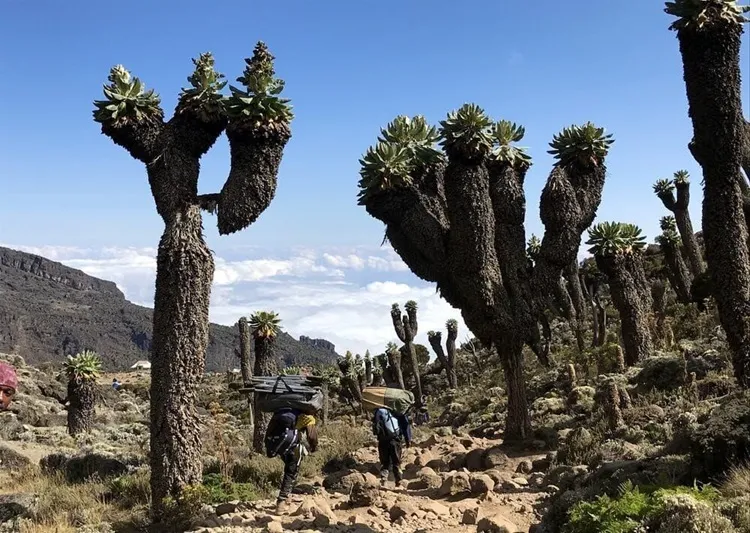
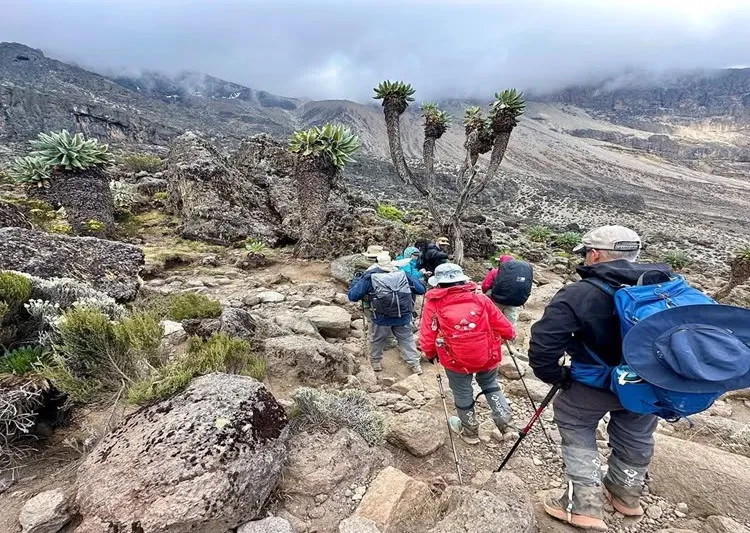
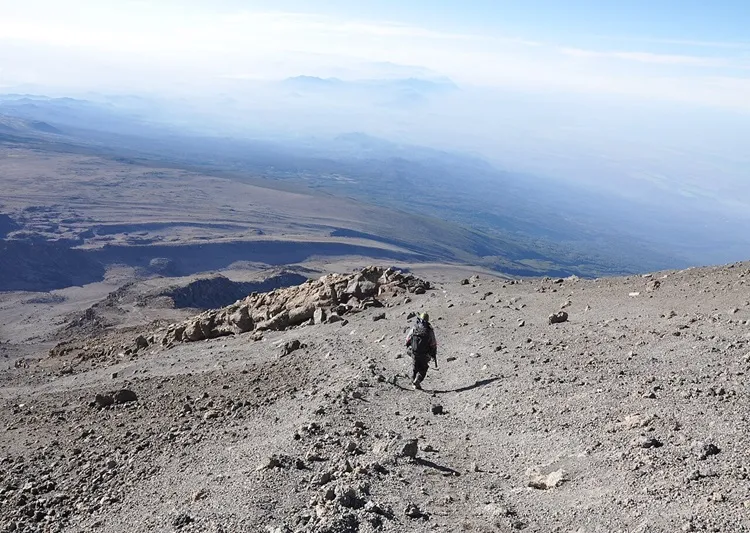
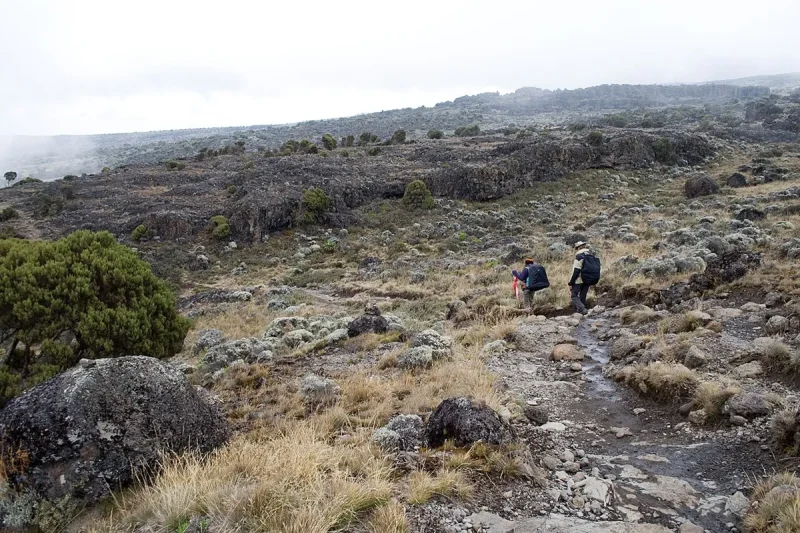
Kilimanjaro inspiration gallery: supplied photos include Machame Gate and Barranco scenes. Rongai does not visit these locations.
Rongai Route: a quieter introduction to Africa’s highest mountain
There is a different rhythm to Kilimanjaro’s northern side. The journey begins near the Tanzanian village of Nalemoru, where cultivated land gives way to forest and the trail gradually opens toward the moorland. Instead of the southern traverse, your attention turns toward Mawenzi’s broken skyline and the broad saddle separating it from Kibo.
Our proposed 6–7 Days Rongai Route Kilimanjaro Climb 2027 follows a camping itinerary through Simba, Kikelewa and Mawenzi Tarn before approaching Kibo for the summit attempt. The journey finishes on the other side of the mountain, descending through Horombo and the forest to Marangu Gate.
Rongai appeals to travellers seeking a less busy approach and a route without Barranco Wall. Its early walking can feel more gradual than some southern alternatives, but it is still a demanding high-altitude climb. The final ascent involves steep, loose ground, cold conditions and a long descent. Good preparation and a sensible timetable matter more than choosing a route described as easy.
Highlights of the Rongai experience
6 or 7 days on Rongai: what changes?
7 days: extra time at Mawenzi Tarn
This version adds a second night at Mawenzi Tarn. Your guide may lead a suitable acclimatization walk before returning to the same camp, or adjust the day according to your condition and the weather.
It offers more time than the six-day schedule, although it does not guarantee acclimatization or a summit. Discuss your altitude history and preparation before confirming.
6 days: a tighter schedule
The six-day version moves from Mawenzi Tarn to Kibo without the additional night. The summit attempt and descent follow sooner, with less room in the timetable.
Consider the practical effect of saving one day rather than looking only at the price. A shorter schedule should be selected after discussing your experience and personal circumstances.
Rongai itineraries: choose 3 to 7 days
The 6- and 7-day options are summit itineraries. The 3–5-day options are custom non-summit proposals, subject to park approval, campsite availability and confirmation of the permitted return trail. They are not advertised as rapid climbs to Uhuru Peak.
Walking times and elevations are approximate. Simba campsite names and reported elevations vary between itinerary references; confirm the precise first camp with your guide. Timing depends on weather, trail conditions, stops and group pace.
7-Day Rongai Route · Summit itinerary
Allow an arrival day before this mountain programme for your briefing, equipment review and rest. The extra night in this itinerary is spent at Mawenzi Tarn, not at Kibo.
-
Rongai trailhead to Simba Camp
Trailhead around 1,950 m · Camp roughly 2,600–2,850 m · About 3–5 hours walkingLeave your agreed Arusha or Moshi hotel for the drive around to the northern side. Registration arrangements and road conditions affect the departure schedule, so keep the whole day available rather than planning a tight connection.
Once walking, let the first stage establish a comfortable pace. Forest and cultivated slopes gradually give way to the mountain environment. At camp, organise your sleeping equipment and speak with your guide about how the first ascent felt.
-
Simba via Second Cave to Kikelewa Camp
Finish around 3,600 m · About 6–8 hoursContinue uphill through increasingly open country, passing the Second Cave area before heading toward Kikelewa. The trail offers a broader sense of the northern slopes as the trees thin and the views widen.
This is a substantial walking day with a meaningful increase in sleeping altitude. Keep sun protection and warm layers close at hand, eat during the day and report any symptoms rather than trying to hide discomfort.
-
Kikelewa to Mawenzi Tarn
Around 3,600 m → 4,300 m · About 3–4 hoursThe climb becomes steeper as you gain height toward Mawenzi. Vegetation grows sparse and the setting changes to open alpine terrain. A shorter walking time should not be mistaken for an effortless day at this altitude.
Arrive beneath Mawenzi’s dramatic skyline and settle into camp. Spend the afternoon resting, checking your equipment and following the guide’s plan. Keep your sleeping clothes dry and put on insulation before you become chilled.
-
Mawenzi Tarn acclimatization day
Second night at the same camp · Optional guided walk, often 2–4 hoursKeep the same overnight location while your guide chooses a suitable day walk or rest programme. A higher excursion may be possible when you are well, but the destination and duration are adapted to conditions rather than treated as a fixed target.
This day is for a measured mountain routine: gentle movement when appropriate, meals, equipment preparation and honest communication about your condition. It is not an ascent of Mawenzi’s technical summit.
-
Mawenzi Tarn across the saddle to Kibo
Around 4,300 m → 4,700 m · About 5–6 hoursCross the exposed saddle between Mawenzi and Kibo. The open ground can be windy and feel surprisingly remote, so keep layers available and avoid rushing even when the slope appears gentle.
At the Kibo campsite, prepare for the summit attempt. Your guide explains the planned departure time, clothing system, headlamp checks and turnaround decisions. Eat, organise small essentials and rest as much as possible.
-
Kibo to Uhuru Peak, then Horombo
Summit 5,895 m · Finish around 3,720 m · Often 12–16 hours overallThe attempt normally starts around midnight, ascending steep ground toward Gilman’s Point on the crater rim. If your health and the conditions allow, continue around the rim toward Uhuru Peak. Reaching the rim is not the same as reaching the highest summit.
After a short summit stop when appropriate, descend to Kibo for a break and continue toward Horombo. This is a long day in both directions; protect your knees, manage your energy and follow the guide’s instructions throughout the descent.
-
Horombo to Marangu Gate and hotel return
Around 3,720 m → 1,860 m · Roughly 20 km · About 5–8 hoursDescend through moorland toward the Mandara area, then continue into forest. Wetter ground and tired legs can make the final stretch slow, so give it the same attention as the ascent.
Complete checkout at Marangu Gate and collect any certificate earned under park rules. Meet the arranged vehicle for your hotel return to Arusha or Moshi. Allow an unhurried evening and a sensible buffer before onward travel.
6-Day Rongai Route · Summit itinerary
This compressed version removes the separate acclimatization day at Mawenzi Tarn. Discuss whether the shorter timetable is appropriate before booking.
-
Rongai trailhead to Simba Camp
About 3–5 hours walkingTransfer to the northern approach, complete registration and begin the forest trail. Settle into your first camp and establish a steady walking routine with your guide.
-
Simba to Kikelewa via Second Cave
Finish around 3,600 m · About 6–8 hoursWalk through open moorland toward Kikelewa. This longer stage raises the sleeping altitude considerably, making a careful pace and clear communication especially important.
-
Kikelewa to Mawenzi Tarn
Finish around 4,300 m · About 3–4 hoursAscend toward the campsite beneath Mawenzi. Spend the remaining time eating, resting and preparing for the crossing to Kibo rather than adding unnecessary exertion.
-
Mawenzi Tarn to Kibo campsite
Finish around 4,700 m · About 5–6 hoursCross the saddle and prepare for the summit attempt after arrival at Kibo. Unlike the seven-day itinerary, there is no second night at Mawenzi Tarn beforehand.
-
Uhuru Peak attempt and descent to Horombo
Highest point 5,895 m · Often 12–16 hours overallAttempt the crater rim via Gilman’s Point and continue to Uhuru only when appropriate. Descend through Kibo to Horombo, conserving enough energy for the full day rather than only the upward section.
-
Horombo to Marangu Gate
About 5–8 hours walking, followed by transferFinish through the lower mountain and forest, complete checkout and return to your agreed Arusha or Moshi hotel. Confirm the hotel night and its meal plan in your booking.
5-Day Rongai Discovery · Proposed non-summit trek
A custom outline for travellers interested in mountain camping without the summit. The camps, local walks and reverse-route descent require operator and park confirmation.
-
Trailhead to Simba Camp
Transfer, register and begin the forest ascent. Settle into camping life and discuss the proposed programme with your guide.
-
Continue toward Kikelewa
Subject to the approved plan and your condition, walk via the Second Cave area to Kikelewa. This remains a significant altitude gain even without a summit objective.
-
Local exploration or rest
Remain at the same approved campsite. Your guide chooses a permitted out-and-back walk or a rest day; no ascent of Mawenzi or visit to Kibo is included in this outline.
-
Return toward Simba
Begin the agreed descent on the northern side, taking time on uneven ground and returning to the lower camp.
-
Trailhead and hotel transfer
Descend, complete checkout and meet the return vehicle. Exact walking times and transfer details are provided with the confirmed custom itinerary.
4-Day Rongai Moorland Trek · Proposed non-summit itinerary
This shorter proposal focuses on the lower northern approach. It requires confirmation of campsite access and the permitted return arrangements before being offered as a booked programme.
-
Rongai trailhead to Simba
Start with the forest section after your transfer and registration. Keep the first day comfortable and allow time to settle into camp.
-
Simba to the Second Cave area
Continue into moorland, aiming for an approved camp around the Second Cave area, approximately 3,450 m. The final location depends on the confirmed permit.
-
Return to Simba
Descend on the agreed northern trail. Enjoy the changing perspective as the open upper ground gives way to lower vegetation.
-
Trailhead and Arusha or Moshi return
Complete the final walk and transfer to your chosen hotel. This itinerary does not reach Mawenzi Tarn, Kibo or Uhuru Peak.
3-Day Rongai Forest Experience · Proposed non-summit itinerary
A possible introduction for travellers with limited time. Availability, a second night at the same camp and any local walking permissions must be checked before booking.
-
Travel to the northern trailhead and walk to Simba
Begin after registration and experience the forest approach. Carry essential layers, water and personal items in your daypack.
-
Guided local walk or rest
Follow a suitable approved out-and-back trail or remain at camp according to your condition. There is no promise of reaching Second Cave or higher camps.
-
Descend and return to your hotel
Finish at the northern trailhead, complete checkout and continue to your agreed destination. Request the complete custom quote before confirming travel.
Camping, food and everyday life on Rongai
Where you sleep
These itineraries are based on camping. Names such as Kibo Hut, Horombo Hut or Kikelewa Cave identify locations; they do not promise a hut bed or a night inside a cave.
Confirm tent sharing, sleeping mat, dining setup and toilet arrangements. Ask whether a single tent, private toilet or sleeping-bag rental is available and what it costs.
Meals and dietary needs
Ask for the mountain meal plan, including what is served on the first and last day and during the summit attempt. Discuss vegetarian meals, allergies and other dietary requirements before departure.
Expect meals to support an active trekking routine rather than a fixed restaurant menu. A combination of familiar food and snacks you enjoy can help when appetite changes at altitude.
Water and personal supplies
Confirm how drinking water is treated and supplied. Bring refillable containers suited to cold conditions and keep water accessible while walking.
Carry personal medication, sun protection and hygiene items in your daypack. Ask for the final packing checklist rather than assuming supplies or charging facilities will be available at camp.
Luggage and the daily rhythm
Your daypack should hold the essentials needed between camps. Use a soft, waterproofed duffel for the main luggage and confirm the porter weight allowance.
Evenings are for meals, checking your feet, preparing layers and reporting how you feel. Protect dry sleeping clothes and keep small items organised for early starts.
Curious about food on Kilimanjaro?
Explore our mountain food guide, then discuss the actual menu, dietary needs and drinking-water arrangements for your Rongai booking.
Read the Kilimanjaro food guide →Planning your 2027 Rongai climb
When to travel
January to early March and June to October are commonly considered for comparatively drier trekking conditions. Rongai’s northern side generally receives less rain than the southern slopes, but it is not rain-free. Cloud, wind, cold and precipitation remain possible throughout the year.
Choose dates around your wider journey as well as the weather. Allow arrival time for a briefing and equipment check, a hotel night after descent and a buffer before onward travel. Confirm 2027 departure availability rather than assuming every date operates.
Training and suitability
Build up regular hiking, uphill walking and careful descents. Practise with your boots and daypack, include consecutive walking days and develop leg strength and balance gradually. A steady trekking routine matters more than a single fast workout.
Rongai avoids Barranco Wall, but the summit approach is still steep and strenuous. Tell the team about your experience, mobility concerns and previous reactions to altitude. Discuss private or joining-group arrangements and how the walking pace is managed.
Altitude, health and guide decisions
Fitness does not protect you from altitude illness. The additional day provides more time, but no itinerary guarantees acclimatization. Report headache, nausea, dizziness, unusual fatigue or loss of appetite promptly and do not ascend with altitude-illness symptoms.
Worsening symptoms, confusion, difficulty walking or breathlessness at rest need urgent action and descent. Speak to a clinician familiar with high-altitude travel about your personal risk and any medication. Before booking, ask about emergency procedures, communication, equipment and evacuation arrangements.
Documents, insurance and logistics
Check entry requirements for your nationality and travel history, including passport validity, visas and any applicable vaccination documentation. Arrange insurance that explicitly covers trekking to 5,895 m, emergency medical treatment, evacuation and repatriation.
Your proposal should distinguish airport transfers from hotel-to-trailhead transport. Confirm pickup in Arusha or Moshi, the final return hotel, luggage storage and any rental collection before the mountain programme begins.
What to bring for your Rongai Route trek
Your Rongai quote: inclusions, exclusions and clear expectations
Request a written 2027 quote showing the chosen duration, group size and campsite sequence. The final booking agreement determines what is included; compare the full service package rather than the headline price alone.
Ask the quote to confirm
- Guiding, cooking and porter services, crew welfare and luggage allowance.
- All mountain nights, tent sharing, mats and dining arrangements.
- Mountain meals, drinking-water treatment and dietary requests.
- Hotel pickup, northern trailhead transfer and Marangu Gate return.
- Emergency arrangements and the equipment provided.
- Whether park entry, camping, rescue charges and applicable taxes are included or payable separately.
Allow for extras unless listed
- Flights, visas and travel insurance.
- Airport transfers and hotel nights not specified in the quote.
- Personal equipment, rentals and optional upgrades.
- Crew tips, drinks and personal spending.
- Extra costs from itinerary changes or early descent.
- Medical care and evacuation expenses, subject to insurance cover.
Extra activities on request
A Tanzania journey can continue after the mountain with a wildlife safari, an easy cultural visit or a Zanzibar beach stay. Keep recovery time in the plan and confirm any extra activity, accommodation and transport separately.
If your focus is the climb, a simple arrival and departure arrangement may be enough. Tell Kilinge Adventures your priorities so the proposal stays relevant rather than adding activities you do not need.
Rongai Route questions answered
Is Rongai easier than Machame?
Rongai avoids Barranco Wall and can offer a more gradual-feeling early approach, but altitude and summit day remain demanding. Compare duration, trail preference and your personal preparation rather than assuming any route is easy.
What is the difference between six and seven days?
The seven-day version here includes two nights at Mawenzi Tarn with a guided acclimatization day between. The six-day version has only one night there. Other Rongai variants exist, so confirm your exact campsite sequence.
Does Rongai visit Barranco Wall or Machame Gate?
No. The supplied background gallery includes scenes from other Kilimanjaro routes. This Rongai itinerary starts on the northern side and descends through Horombo to Marangu Gate.
Are three to five days enough for the summit?
The short itineraries shown here are non-summit proposals. They focus on the lower northern mountain and require confirmation of camps and access. They do not include Uhuru Peak.
Will we sleep in huts at Kibo and Horombo?
This page describes camping. Hut names identify the locations and do not guarantee hut beds. Any change in accommodation must be explicitly confirmed in your booking.
Can I start from Arusha or Moshi?
Request either city when enquiring. Your proposal should specify the hotel, pickup time, northern trailhead transport and final return destination. Airport transfers should be itemised separately.
Can a solo traveller join a group in 2027?
Ask for confirmed joining dates or a private-climb quote. Group availability, minimum numbers, tent sharing and supplements must be checked before travel is booked.
What happens if I cannot continue?
Tell your guide immediately so the team can assess your condition and arrange the appropriate response. Discuss early-descent logistics, costs and insurance before departure. Continuing to the summit is never guaranteed.
Read experiences from Kilinge Adventures travellers
Explore feedback about communication, guiding and the overall trip experience. Check the route and travel dates described in each review to understand how it relates to your plans.
Explore our traveller reviews
Read feedback on our SafariBookings profile. After travelling with us, you are welcome to share an honest review of your own experience.
Visit SafariBookings ↗Discover guest experiences
Visit our TripAdvisor profile to read independent guest feedback. Your honest review after your trip can help future travellers plan.
Visit TripAdvisor ↗Review links open in a new tab. Individual experiences do not guarantee the same weather, conditions or summit outcome.
Start planning your Rongai Route climb
Tell Kilinge Adventures your preferred dates, number of travellers, starting city and whether you are considering six or seven mountain days. Include your hiking background, equipment needs and any dietary requirements.
Request a written proposal with the confirmed campsite sequence, services, total costs and booking terms. If you prefer a shorter experience, mention the proposed 3-, 4- or 5-day non-summit trek so the team can check permissions and availability.