- Trip Overview
What's included
- Professionally guided tour
- Visa arrangements

Tips for Tanzania Safari Travel: Essential Guide
Tanzania is one of the most spectacular safari destinations on the African continent, offering a blend of untamed wilderness, diverse cultures, and dramatic landscapes. From the legendary Serengeti to the wildlife-rich Ngorongoro Crater and the massive elephant herds in Tarangire, Tanzania provides unmatched game viewing year-round. However, going on safari is unlike typical travel—it requires knowledge, preparation, and respect for both nature and culture.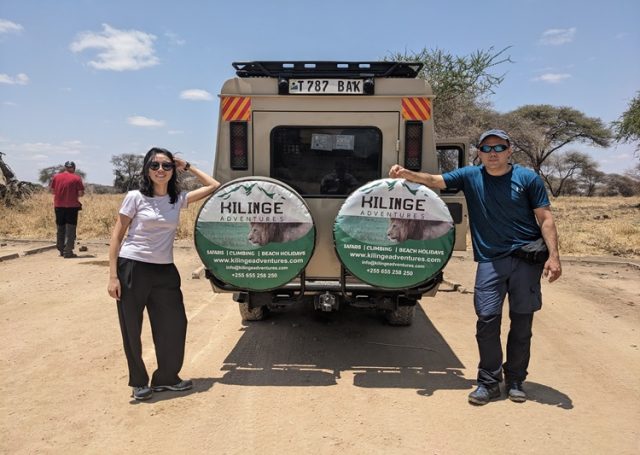
Below is a deeply detailed guide to help you plan a safe, smooth, and unforgettable Tanzanian safari adventure.
Book this Tour with Kilinge Adventures
Apart from this, you may read and write some reviews for us from Safari Bookings.
1. Understand the Best Time to Visit Tanzania
Tanzania’s wildlife is rich throughout the year, but the experience can vary depending on the season:
-
Dry Season (June to October):
This is the most popular time for safaris, thanks to pleasant weather, fewer mosquitoes, and easier wildlife viewing. During this period, animals gather around water sources, making them easier to spot. It’s also the best time to witness the famous Mara River crossing during the Great Wildebeest Migration in Northern Serengeti. -
Green (Wet) Season (November to May):
Also known as the “secret season,” this period brings lush greenery, fewer crowds, and spectacular birdlife due to migratory species. It’s ideal for photographers who love vibrant landscapes and dramatic skies. Wildlife is still abundant, especially in the Southern Serengeti during the calving season (Jan–Mar) when thousands of wildebeests give birth.
Tip: If you’re looking for a balance between fewer tourists and good wildlife, consider shoulder months like May or November.
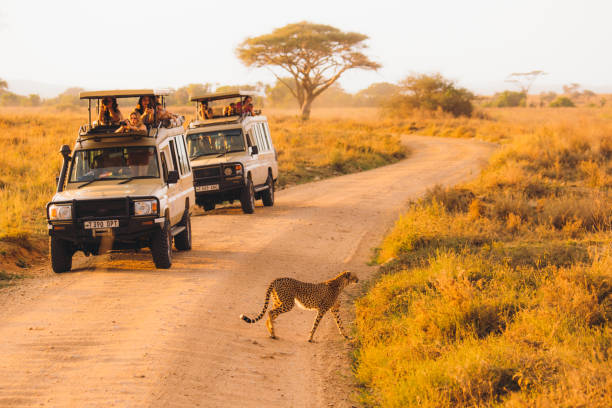
2. Choose the Right Safari Type for Your Style and Budget
Not all safaris are the same. Consider your travel style:
-
Budget Camping Safari:
Great for adventure seekers and budget travelers. You’ll sleep in tents (often in or near national parks) and experience wildlife up-close, sometimes even hearing lions at night. Facilities are basic but functional. -
Mid-Range Safari:
Combines comfort with affordability. Accommodations may include permanent tented camps or standard lodges with private bathrooms and good meals. -
Luxury Safari:
For those who want top-tier comfort. Expect ensuite lodges, fine dining, private game drives, bush breakfasts, and even fly-in options. Lodges are often set in exclusive areas with amazing views and personalized service. -
Group Joining Safari:
Ideal for solo travelers or those wanting to share costs. You’ll join a group (usually 4–6 people) with a fixed itinerary and dates. -
Custom Private Safari:
Fully personalized—choose your pace, destinations, accommodations, and activities. This is great for families, honeymooners, or wildlife photographers.
3. Pick the Best Safari Destinations in Tanzania
Tanzania offers a variety of safari ecosystems:
-
Serengeti National Park:
Iconic for its vast plains and the Great Migration. It’s excellent year-round for predators like lions, cheetahs, and leopards. -
Ngorongoro Crater:
A collapsed volcano with fertile soil and a self-contained wildlife paradise. It’s the easiest place in Tanzania to spot the Big Five in one day. -
Tarangire National Park:
Known for massive elephant herds and ancient baobab trees. It’s often quieter than the Serengeti, offering an intimate game drive experience. -
Lake Manyara National Park:
Famous for tree-climbing lions and flamingos. Great for a short stopover on the way to the Serengeti. -
Ruaha & Nyerere National Parks (Southern Circuit):
Vast and remote, with fewer crowds and abundant wildlife. Ideal for seasoned safari-goers. -
Zanzibar:
A perfect post-safari destination for white-sand beaches, snorkeling, historical Stone Town, and cultural immersion.
4. What to Pack for a Tanzania Safari
Safari travel isn’t about fashion—it’s about comfort, protection, and practicality. Here’s what you should bring:
Clothing:
-
Lightweight, breathable clothes in earth tones (beige, olive, brown, khaki)
-
Long-sleeved shirts and pants (for sun and insect protection)
-
A fleece or jacket for cold mornings and evenings
-
Swimsuit if your lodge has a pool
-
A wide-brim hat and sunglasses
-
Lightweight raincoat (especially for March–May travelers)
Gear and Essentials:
-
High-quality binoculars (8×42 or 10×42 recommended)
-
Camera with zoom lens (e.g., 70–300mm)
-
Power bank or spare batteries (charging can be limited in camps)
-
Personal medication and small first-aid kit
-
Insect repellent (with DEET)
-
Sunscreen (SPF 30 or higher)
-
Refillable water bottle
-
Daypack for game drives
5. Health, Safety, and Vaccinations
Vaccinations:
-
Yellow Fever: Required if coming from or transiting through a yellow-fever-endemic country.
-
Recommended: Hepatitis A, Hepatitis B, Typhoid, Tetanus, Rabies (if staying in remote areas or volunteering)
Malaria:
Tanzania is a malaria-risk zone. Take malaria prophylaxis as prescribed by your doctor, use mosquito repellent, and sleep under a net.
Travel Insurance:
Always travel with comprehensive insurance covering medical emergencies, trip cancellation, evacuation, and lost luggage.
6. Entry Requirements: Visa and Passport
-
Visa: Most travelers need a visa to enter Tanzania. You can get it online through the official Tanzania Immigration website or upon arrival at airports like Kilimanjaro (JRO) and Dar es Salaam.
-
Cost: Usually $50 USD (single-entry), $100 for U.S. citizens.
-
Passport: Must be valid for at least 6 months with at least one blank page.
7. Cultural Etiquette and Responsible Tourism
Tanzania is a multicultural country with over 120 tribes. Respect for local traditions and modesty is important:
-
Dress modestly in villages and towns (especially for women).
-
Always ask before taking photos of people.
-
Use both hands when giving or receiving something as a sign of respect.
-
Learn a few Swahili greetings like “Jambo” (Hello), “Asante” (Thank you), and “Karibu” (Welcome).
-
Don’t give money or candy to children—support local schools or organizations instead.
8. Game Drive Tips: How to Maximize Your Safari Experience
-
Be patient and quiet: Nature doesn’t rush. Some of the best sightings come from waiting silently.
-
Listen to your guide: They are experienced and know how to read animal behavior.
-
Morning and evening drives: These are the best times for animal activity.
-
Avoid loud talking or music: It disturbs wildlife.
-
Stay in the vehicle unless permitted: Wild animals can be unpredictable.
-
Tip your guide: It’s customary to tip $10–$20 per day per person for exceptional service.
9. Internet and Mobile Access
-
Most lodges have Wi-Fi, though it may be slow.
-
Buy a local SIM card (like Vodacom or Airtel) if you want mobile data.
-
Embrace being offline—it enhances the safari experience.
10. Budgeting and Extra Costs
A Tanzanian safari is not cheap, but it’s worth every cent. Consider these additional costs:
-
Tipping: Guides, drivers, camp staff
-
Drinks & laundry: Often not included in the price
-
Balloon safari (optional): $500–$600 per person
-
Cultural tours and souvenirs: Support local artisans
Frequently Asked Questions (FAQs)
Q1: Is it safe to travel to Tanzania for a safari?
Yes. Tanzania is one of the safest countries for safari. Always follow your guide’s instructions and stay within the vehicle unless directed otherwise.
Q2: Can I use US dollars in Tanzania?
Yes, US dollars are widely accepted. Bring new (post-2009) bills in good condition. For local markets, it’s best to carry some Tanzanian Shillings.
Q3: What’s the food like on safari?
Expect a mix of Western and African cuisine. Most lodges offer buffet or set meals, with vegetarian and special diets available on request.
Q4: What if I don’t see the Big Five?
Nature is unpredictable, but experienced guides and well-planned itineraries maximize your chances. You’re likely to see many animals, even if not all five.
Q5: Can I do a safari with children?
Yes. Many lodges cater to families and offer kid-friendly activities. However, very young children may find long drives tiring.