- Trip Overview
What's included
- Professionally guided tour
- Visa arrangements
Ruaha National Park Wildlife Safari – Tanzania’s Untamed Wilderness
Ruaha National Park is one of Tanzania’s best-kept safari secrets. As the largest national park in the country, Ruaha offers unparalleled wilderness, massive herds of elephants, and a high concentration of predators—without the crowds of the Northern Circuit. A Ruaha wildlife safari is perfect for travelers seeking authenticity, solitude, and raw adventure.
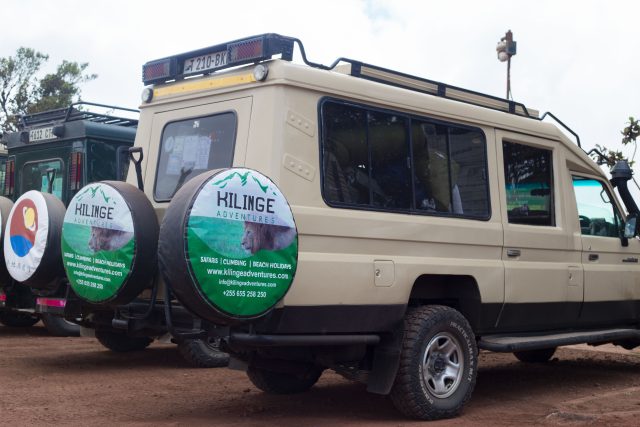
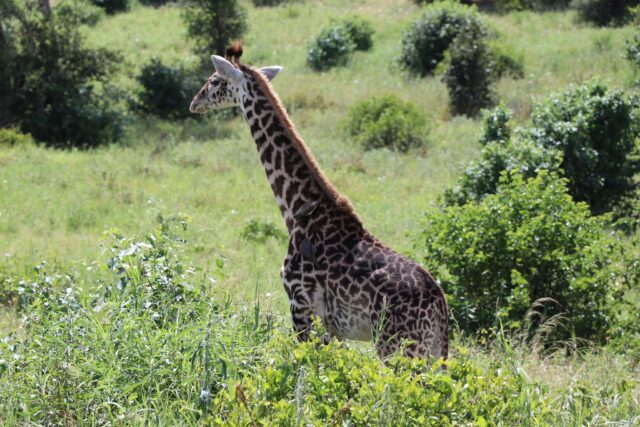
Let’s dive into everything you need to know about planning the ultimate Ruaha safari experience.
Where Is Ruaha National Park?
Ruaha is located in Southern Tanzania, part of the vast Southern Circuit. It’s accessible via bush flights or long overland drives from Iringa or Dar es Salaam.
-
Size: Over 20,000 sq km (Tanzania’s largest park)
-
Location: Central-southern Tanzania, within the Greater Ruaha Ecosystem
-
Nearest Town: Iringa (~130 km away)
Book this Tour with Kilinge Adventures
Apart from this, you may read and write some reviews for us from Safari Bookings.
Why Choose a Ruaha Wildlife Safari?
Unlike the popular parks in the north, Ruaha offers:
-
A remote, uncrowded safari with fewer tourists
-
Authentic safari camps and fly-in lodges
-
High density of lions, leopards, wild dogs, and elephants
-
One of the best predator-viewing destinations in Africa
-
Unique baobab-studded landscapes and vast savannahs
-
Excellent walking safaris and birdwatching
If you’re looking for a wild, raw safari that feels untouched by mass tourism, Ruaha is the place to go.
Wildlife in Ruaha National Park
Ruaha is home to a spectacular mix of East and Southern African wildlife, with impressive predator-prey interactions.
🐘 Key Mammals:
-
Over 12,000 elephants – one of the largest populations in East Africa
-
Buffalo, zebra, giraffe, hippos
-
Rare greater and lesser kudu, roan, and sable antelope
-
Grant’s gazelles, hartebeests, and impalas
🦁 Predators:
-
One of Africa’s highest lion densities
-
Leopards, often seen lounging on rocky outcrops
-
Cheetahs in the open plains
-
Packs of African wild dogs – a major highlight
-
Spotted hyenas and bat-eared foxes
🐦 Birdlife:
-
Over 570 bird species, including endemic and migratory birds
-
Hornbills, fish eagles, giant kingfishers
-
Excellent during the green season for birdwatchers
Ruaha’s Landscape & Ecosystems
Ruaha’s scenery is as dramatic as its wildlife:
-
Baobab forests dominating the horizon
-
Wide seasonal rivers like the Great Ruaha River
-
Rocky escarpments and sand rivers
-
Miombo woodland, acacia bush, and open savannahs
This diversity supports an equally diverse range of animals and creates a backdrop that is as photogenic as it is wild.
Best Time to Visit Ruaha National Park
| Season | Months | Highlights |
|---|---|---|
| Dry Season | June to October | Best wildlife viewing; animals gather at rivers |
| Green Season | November to April | Lush landscapes, birdwatching, newborn animals |
| Rainy Season | March to May | Some lodges close; fewer visitors, rich scenery |
Tip: The dry season is the best for seeing big game and predators near water sources, while the green season offers great value, fewer people, and lush photographic scenes.
Safari Activities in Ruaha
🚗 Game Drives
-
Morning and afternoon drives in 4×4 vehicles
-
Explore remote tracks, riverbanks, and open plains
-
Wildlife is more concentrated near the Great Ruaha River in the dry season
🚶 Walking Safaris
-
Guided bush walks with armed rangers
-
Learn about tracks, insects, plants, and survival tactics
-
Experience the park from a new, thrilling perspective
🌅 Night Game Drives (offered in some private concessions)
-
Spot nocturnal species like civets, genets, owls, and bush babies
🦜 Birdwatching
-
Year-round, but especially rewarding from November to April
-
Ideal for ornithologists and photography lovers
Lodges and Camps in Ruaha
Ruaha offers a range of intimate, eco-friendly lodges and fly camps, most located along rivers or scenic areas.
🏕️ Recommended Options:
-
Jongomero Camp – Luxury lodge deep in the remote south
-
Ikuka Safari Camp – Exclusive views, luxury tents
-
Ruaha River Lodge – Riverside wildlife viewing from your room
-
Kwihala Camp – Mobile-style tented camp with exceptional guiding
-
Mdonya Old River Camp – Rustic, wild, and affordable
Getting to Ruaha National Park
-
By Air:
-
Daily scheduled flights from Dar es Salaam, Zanzibar, or Arusha to Msembe Airstrip
-
Charter flights can also be arranged
-
-
By Road:
-
From Iringa (5–6 hrs drive) or Dar es Salaam (~10–12 hrs, rough roads)
-
Road transfers can be adventurous but long
-
Most travelers opt for fly-in safaris, especially when combining Ruaha with Selous or Katavi.
Combining Ruaha with Other Parks
Ruaha is often paired with other Southern Circuit destinations for a complete off-the-beaten-path safari:
-
Nyerere National Park (formerly Selous) – Wetland safaris, boat trips, and more lions
-
Mikumi National Park – Good for short safaris and stopovers
-
Katavi National Park – Remote, wild, and ideal for serious safari-goers
Tips for Visiting Ruaha
-
Pack layers – Cool mornings and hot afternoons
-
Bring a zoom lens – Perfect for predators and birdlife
-
Binoculars are essential
-
Avoid crowds – this is your chance to enjoy Africa in its rawest form
-
Choose experienced guides and eco-camps
-
Consider travel insurance covering bush flights and remote locations
Note:
A Ruaha National Park wildlife safari is a journey into one of Africa’s last great wildernesses. With its remote feel, abundant big cats, massive elephant herds, and baobab-dotted landscapes, Ruaha is ideal for those who crave a true, off-the-grid safari.
Whether you’re a seasoned traveler or a first-time visitor seeking something different from the tourist-heavy north, Ruaha delivers raw nature, thrilling encounters, and peaceful solitude in equal measure.