Best Kilimanjaro acclimatization Join with Friends
- Trip Overview
- Trip Itinerary
- Similar Tours
What's included
- 3 Meals while on the mountain + evening tea with popcorn or peanuts.
- 3-4 porters per climber, which includes porters to carry up to 30 lbs of your personal gear.
- Airport pick up and drop off
- All meals included
- Fair wages for the mountain crew as approved by the Kilimanjaro National Park Authority (KINAPA), Kilimanjaro Association of Tour Operators (KIATO)
- Kilimanjaro certificate for your successful summit attempt.
- Medically qualified mountain guides, cooks and porters
- Orientation meeting in Moshi and gear check as well.
- Oxygen Cylinder
- Professionally guided tour
- Unlimited bottled water
- Alcoholic and soft drinks
- Entry visa for Tanzania
- Laundry Services
- Medical insurance and emergency insurance
- Other International flights
- Personal expenses
- Tips to guide and driver
- Tips to mountain crew
- Visa arrangements
Private 7 Days Lemosho Route Climb | 2026/2027
Experience Mount Kilimanjaro with your own trekking group on a Private 7 Days Lemosho Route Climb in 2026/2027 with Kilinge Adventures. Beginning on the mountain’s western side, this journey takes you through rainforest, across the open Shira Plateau, beneath the cliffs of Barranco, and towards the summit of Africa’s highest mountain.
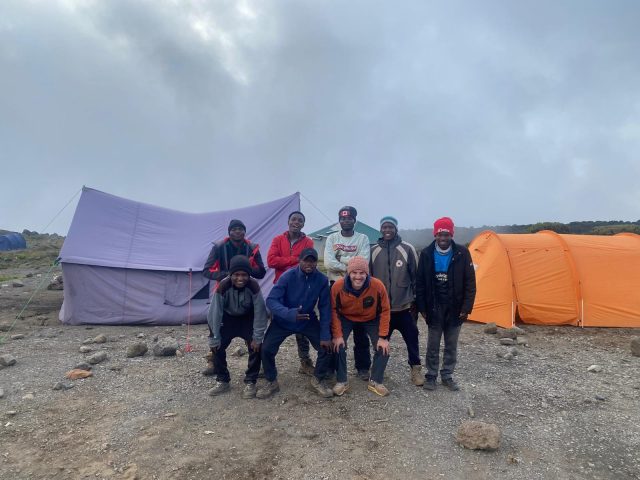
A private departure brings together the people you choose to travel with—whether you are climbing as a couple, family, group of friends, or team. Your guides support your group throughout the trek, adjusting the walking pace and daily arrangements within the limits of the itinerary, weather, and mountain safety.
The seven-day schedule offers varied scenery and a demanding physical challenge. It also includes a long second day and a substantial gain in altitude during the early stages. Good preparation, realistic expectations, and honest communication with your guides are essential.
Private climbing means an exclusive trekking group and dedicated support crew. Trails, campsites, and park facilities are shared with other climbers.
What Makes This Private Climb Special?
Lemosho offers an appealing introduction to Kilimanjaro. The first section passes through forest before opening onto broad views across the Shira Plateau. As the trek continues, the landscape changes from green slopes to rocky valleys and exposed alpine terrain.
Travelling privately allows your group to share the experience on its own terms. You can choose your preferred departure date, discuss equipment and dietary requirements before arrival, and prepare together with support from the operator. On the mountain, your guides focus on your group’s progress and wellbeing.
The itinerary also provides memorable changes in perspective. You approach from the west, join the southern circuit, climb the Barranco Wall, and attempt the summit from Barafu before descending through the Mweka corridor.
Climb Highlights
- A private departure for your chosen travel companions.
- A scenic approach through Kilimanjaro’s western rainforest.
- Wide views across the Shira Plateau.
- An acclimatization walk towards Lava Tower before descending to Barranco.
- A guided ascent of the Barranco Wall.
- Overnight stays at mountain camps throughout the trek.
- A summit attempt via Stella Point towards Uhuru Peak, at approximately 5,895 metres.
- A descent through changing vegetation on the Mweka trail.
Private Trek at a Glance
| Feature | Details |
|---|---|
| Destination | Mount Kilimanjaro, Tanzania |
| Route | Lemosho, approaching from the west |
| Travel period | 2026 and 2027 |
| Mountain duration | 7 trekking days |
| Mountain accommodation | Camping, usually 6 nights |
| Departure style | Private group |
| Highest point | Uhuru Peak, approximately 5,895 metres |
| Summit approach | Barafu Camp and Stella Point |
| Descent route | Mweka |
| Overall difficulty | Challenging |
| Technical climbing | Ropes and technical mountaineering are generally unnecessary on the standard itinerary |
| Additional travel time | Allow time for arrival, preparation, and departure outside the mountain schedule |
Camp elevations and walking times below are approximate. Your confirmed itinerary should identify the exact camps and arrangements for your departure.
Who Is This Climb Suitable For?
This trip suits travellers who want a demanding mountain adventure with their own group. Previous multi-day hiking experience is helpful, particularly experience walking for several consecutive days while carrying a daypack.
You do not need technical climbing skills for the standard Lemosho itinerary. However, you should be comfortable with long walking days, uneven ground, camping, and a slow pace at altitude. The summit stage requires considerable endurance and may involve many hours of walking in cold, exposed conditions.
For families, suitability should be discussed individually before booking. Age, hiking experience, health, and the demands of the itinerary all matter. A private booking allows more focused planning, but it does not remove the challenges of altitude or shorten the distance between camps.
Travellers who prefer a less compressed ascent should also consider an eight-day Lemosho itinerary, which commonly adds an overnight stop on the Shira Plateau.
Arrival and Preparation
Plan to arrive in Tanzania before the trek begins, allowing sufficient time to rest and prepare. Your confirmed arrangements should specify your airport transfer, hotel, briefing location, and departure time.
During the pre-climb briefing, review the route with your guide and discuss the daily routine. This is also the time to check your boots, waterproof layers, sleeping equipment, headlamp, and daypack. Any rental items should be arranged early so that suitable sizes and equipment are available.
Share relevant dietary needs, medical information, and previous experiences at altitude before departure. Every member of the group should understand that the guide may change plans or recommend descent if conditions require it.
What Can Be Personalised on a Private Departure?
A private trek gives your group more scope to plan together before travelling. Depending on availability and the booked service, arrangements may include your preferred departure date, room configuration before and after the climb, dietary requirements, equipment rental, and additional nights in Tanzania.
Your guides can also respond to the walking pace and needs of your group during the trek. However, the established camps, daily distances, park requirements, and safety decisions place practical limits on flexibility.
If members of your party have very different levels of fitness or experience, discuss this before booking. A suitable group plan should account for the least experienced participant as well as the overall demands of the route.
Difficulty and Acclimatization
The seven-day Lemosho trek is challenging because it combines consecutive walking days with increasing altitude and a long summit stage. The second day is particularly demanding because this version continues to Shira 2 rather than spending an additional night at Shira 1.
Fitness helps you handle the walking, but it does not guarantee a comfortable response to altitude. Maintain a slow pace, follow your guide’s advice, and report changes in how you feel promptly.
There is no summit guarantee. A private group receives focused support, but the decision to continue must remain based on conditions and individual wellbeing.
If your schedule allows another mountain day, compare this programme with the eight-day option before committing.
Choosing Your 2026 or 2027 Travel Dates
Kilimanjaro can experience rain, wind, cold, and changing visibility in any month. The periods below describe typical seasonal patterns rather than a forecast for a particular departure.
| Travel Period | General Conditions | Planning Considerations |
|---|---|---|
| January–February | Often relatively drier, with opportunities for clear views | A popular period; reserve preferred arrangements early |
| March–May | Generally wetter, particularly during the long rains | Expect a greater likelihood of muddy trails and wet equipment |
| June | Often a transition towards drier conditions | Conditions can vary, especially early in the month |
| July–September | Commonly drier, with cold nights at altitude | Popular months with busier shared campsites |
| October | Can offer favourable trekking conditions | Rain becomes more variable as the short rains approach |
| November–December | Short rains may affect trail conditions and visibility | Prepare for mixed weather and confirm seasonal expectations |
Camping and Daily Life on the Mountain
Accommodation during the trek is in tents at designated campsites. Before booking, confirm sleeping arrangements, tent occupancy, sleeping mat provision, and the equipment you need to bring or rent.
Days generally begin with breakfast and preparation for the next stage. Walking is followed by arrival at camp, a meal, time to organise equipment, and rest. The summit stage follows a different routine because of the overnight departure.
Discuss dietary requirements well in advance. Clear communication helps the operator plan suitable meals within the limitations of mountain cooking and supply arrangements.
Keep essential items in your daypack, including waterproofs, warm layers, drinking water, snacks, and personal necessities. Pack the rest of your belongings according to the operator’s luggage guidance.
How to Prepare
Build your preparation around regular walking rather than relying only on short gym sessions. Longer hikes, hills, stairs, and consecutive walking days help you become accustomed to sustained effort.
Practise in the boots and daypack you intend to use. Comfortable, familiar equipment can make a significant difference over a week of trekking. Add strength and balance exercises to support your knees, ankles, and stability on uneven ground.
Your equipment should cover wet forest conditions, strong sun, cold camps, and freezing temperatures during the summit attempt. Core items include:
- Broken-in hiking boots and suitable socks.
- Waterproof jacket and trousers.
- Warm base layers, fleece, and an insulated jacket.
- Warm gloves, a hat, and sun protection.
- A sleeping bag suitable for the expected conditions.
- A headlamp with spare power.
- A comfortable daypack and trekking poles.
- Water containers and personal essentials.
Request a complete packing list before departure so that you can check equipment specifications and rental availability.
Private Climb Prices and Booking
The cost of a private seven-day Lemosho departure depends on group size, travel dates, accommodation choices, equipment arrangements, and the level of mountain service.
Smaller groups generally share fixed operating costs among fewer climbers, which can increase the price per person. Extra hotel nights, airport transfers, rental equipment, and additional travel arrangements can also affect the final quotation.
For an accurate 2026 or 2027 proposal, provide:
- Your preferred arrival and trekking dates.
- The number of climbers in your group.
- Your previous hiking experience.
- Hotel and room preferences.
- Dietary or equipment requirements.
- Any plans for a safari or Zanzibar extension.
Review the confirmed itinerary, payment schedule, cancellation terms, and service details before paying a deposit.
Planning Your Climb with Kilinge Adventures
A successful private expedition begins with clear preparation. When arranging your journey with Kilinge Adventures, discuss the route’s demands openly and confirm how your group will be supported.
Ask about guide experience, mountain communication, health monitoring, emergency procedures, crew welfare, and equipment standards. These details help you assess the service and arrive with realistic expectations.
Your private climb should reflect your group’s experience and objectives while allowing the guides to make appropriate decisions on the mountain.
Frequently Asked Questions
- Is the seven-day Lemosho climb completely private?
Your trekking party and assigned crew are dedicated to your booking. Other groups use the same trails and designated campsites, so you should expect to encounter fellow climbers.
- Can we choose our departure date?
Private dates can be requested, subject to operational availability and confirmation. Early enquiries provide more time to coordinate flights, accommodation, and equipment.
- Is seven days enough for Lemosho?
Seven days is an established itinerary, but it is demanding. An eight-day programme provides an additional mountain day and may suit travellers seeking a less compressed schedule.
- Do we need previous climbing experience?
Technical mountaineering experience is generally unnecessary for this itinerary. Good hiking fitness, preparation, and comfort with consecutive days outdoors are valuable.
- Does a private climb improve our chances of reaching the summit?
It allows closer planning around your group and focused guide support. However, summit outcomes still depend on altitude response, weather, health, and other conditions. Privacy alone does not guarantee success.
- Can our group walk at its own pace?
Your guides aim to establish an appropriate pace for the group. Daily distances, available daylight, conditions, and safety requirements still influence the schedule.
- Can we add a safari after the trek?
Yes, a safari or other Tanzania extension can be requested as part of your travel planning. Allow recovery time after the mountain and confirm the full schedule before booking flights.
Plan Your Private Lemosho Adventure
Bring your chosen companions together for a challenging journey through Kilimanjaro’s changing landscapes. From the western forest to the high mountain camps, this seven-day itinerary offers shared experiences, striking scenery, and the opportunity to attempt Uhuru Peak with dedicated guidance.
Book this Tour with Kilinge Adventures
Apart from this, you may read and write some reviews for us from Safari Bookings.
Also, you may read and write reviews for us from TripAdvisor
- Day 1
- Day 2
- Day 3
- Day 4
- Day 5
- Day 6
- Day 7
Londorossi Registration and Forest Trailhead to Mti Mkubwa
The first walk leads through rainforest, where tall trees and thick vegetation create a sheltered introduction to the mountain. The trail can be muddy, especially after rain, so careful footing and waterproof protection are useful.
Walk slowly from the beginning. Today is an opportunity to settle into a steady rhythm, become familiar with your equipment, and get to know the crew supporting your climb.
At Mti Mkubwa, your first mountain camp, you have time to organise your tent and prepare for the longer stage ahead.
| Day 1 Details | Approximate Information |
|---|---|
| Overnight camp | Mti Mkubwa |
| Camp elevation | 2,800–2,900 metres |
| Walking time | 3–4 hours |
| Main terrain | Rainforest trails |
| Main focus | Establishing a comfortable walking pace |
Mti Mkubwa to Shira 2 Camp
The route crosses the Shira Plateau, passing through the Shira 1 area before continuing towards Shira 2. The open landscape offers a striking change from the previous day, while clear weather may reveal views of Kibo ahead.
The distance and altitude gain make patient pacing particularly important. Your group should be prepared for a full day on foot, with regular breaks and a late arrival possible depending on conditions and progress.
On reaching camp, rest, eat, and let your guide know how you feel.
| Day 2 Details | Approximate Information |
|---|---|
| Overnight camp | Shira 2 |
| Camp elevation | 3,850 metres |
| Walking time | 8–10 hours |
| Main terrain | Heath, moorland, and plateau paths |
| Main focus | Managing a long day and significant altitude gain |
Shira 2 to Lava Tower and Barranco Camp
This stage takes you higher during the day before descending to sleep at a lower elevation. It provides an opportunity for acclimatization, although individual responses to altitude vary.
After the Lava Tower area, the trail descends into Barranco Valley. Giant groundsels and steep mountain walls make this one of the most distinctive sections of the journey.
Your guide will assess the group’s condition and determine the appropriate pace and arrangements for the day.
| Day 3 Details | Approximate Information |
|---|---|
| Highest point on the day | Lava Tower, approximately 4,630 metres |
| Overnight camp | Barranco |
| Camp elevation | Approximately 3,900–4,000 metres |
| Walking time | 6–8 hours |
| Main focus | Higher-altitude exposure followed by descent |
Barranco Camp to Karanga Camp
Your guides help the group move through the steeper sections at a controlled pace. Once above the wall, the route continues across ridges and valleys, offering impressive views when the weather is clear.
A descent into Karanga Valley is followed by another climb to camp. Although shorter than the previous stages, the day still includes substantial effort.
The afternoon provides time to rest, organise your belongings, and prepare for the approach to Barafu.
| Day 4 Details | Approximate Information |
|---|---|
| Overnight camp | Karanga |
| Camp elevation | Approximately 4,000 metres |
| Walking time | 4–5 hours |
| Main terrain | Rocky steps, ridges, and valleys |
| Main focus | Careful movement and steady pacing |
Karanga Camp to Barafu Camp
At camp, your guide explains the summit plan, including the expected departure time, clothing layers, food, water, and items to carry. Prepare your headlamp, gloves, insulated clothing, and other essentials before resting.
Eat and rest as well as you can. Summit departures commonly take place around midnight, although the exact timing depends on conditions and your group’s progress.
| Day 5 Details | Approximate Information |
|---|---|
| Overnight camp | Barafu |
| Camp elevation | Approximately 4,670 metres |
| Walking time | 3–5 hours |
| Main terrain | Rocky alpine desert |
| Main focus | Rest and summit preparation |
Barafu to Uhuru Peak, Then Descend to Mweka Camp
This is usually the hardest part of the expedition. Cold temperatures, fatigue, and reduced oxygen make sustained effort challenging. Your guides assess the group throughout the ascent, and reaching the summit depends on each climber’s condition as well as the weather and trail conditions.
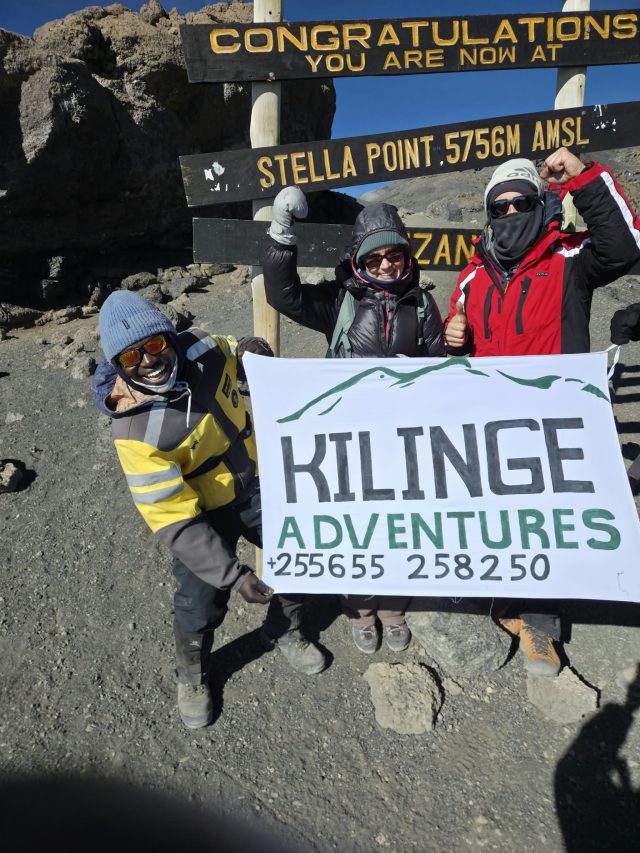
From Stella Point, climbers who are able to continue follow the crater rim towards Uhuru Peak, approximately 5,895 metres above sea level. Time at the summit is usually brief before the descent begins.
You return to Barafu for a rest and refreshments, then continue downhill towards Mweka Camp. The long descent requires concentration, particularly when tired.
| Day 6 Details | Approximate Information |
|---|---|
| Summit objective | Uhuru Peak, approximately 5,895 metres |
| Crater-rim landmark | Stella Point, approximately 5,756 metres |
| Overnight camp | Mweka |
| Camp elevation | Approximately 3,100 metres |
| Total walking time | 12–16 hours or longer |
| Main focus | Guided ascent, ongoing assessment, and careful descent |
Mweka Camp to Mweka Gate
The path can be slippery, so continue walking carefully even as the expedition approaches its end. Trekking poles may help reduce strain during the descent.
After completing the exit formalities, you meet your transfer vehicle and return to your hotel according to the booked arrangements. Certificates are issued in line with park procedures and the altitude reached.
| Day 7 Details | Approximate Information |
|---|---|
| Finish point | Mweka Gate |
| Gate elevation | Approximately 1,640 metres |
| Walking time | 3–5 hours |
| Main terrain | Forest paths |
| Main focus | Completing the descent safely |