Best Kilimanjaro acclimatization Join with Friends
- Trip Overview
What's included
Why Lush Wonders of Kilimanjaro Forest
The Kilimanjaro Forest, a breathtaking ecosystem at the base of Africa’s highest peak, showcases a stunning array of biodiversity and natural beauty. Comprising various ecological zones, from humid rainforests filled with towering trees and vibrant underbrush to the colorful heath zone adorned with unique wildflowers, this forest is a haven for wildlife enthusiasts. Home to endemic species like the Kilimanjaro colobus monkey and a rich variety of plants, including medicinal herbs used by local communities, the forest also features scenic trails that meander past clear streams and cascading waterfalls. Its cultural significance to the Chaga people, intertwined with sustainable eco-tourism efforts, further enriches the experience of exploring this lush paradise, making it a captivating destination for adventurers and nature lovers alike.

1. Biodiversity and Ecosystems in Kilimanjaro Forest
The Kilimanjaro Forest is a remarkable example of ecological diversity, encompassing a range of ecosystems that support a rich variety of plant and animal life. This unique environment is divided into several distinct ecological zones, each characterized by its own climate, vegetation, and wildlife.
Ecological Zones
- Lowland Rainforest:
At the lowest elevations, the rainforest thrives in a humid, warm climate. This zone is filled with towering trees, such as giant figs and yellowwoods, alongside a dense understory of ferns and shrubs. The thick canopy creates a rich habitat for countless species, providing essential resources and shelter. - Montane Forest:
As you ascend, the forest transitions into the montane zone, where the climate becomes cooler and wetter. This area is characterized by a mix of broadleaf trees and conifers, with an abundance of epiphytic plants like orchids and mosses that add to the forest’s lushness. - Heath Zone:
Higher up, the landscape changes to heath, where unique plants such as giant groundsels and lobelias dominate. This zone is adapted to cooler temperatures and higher altitudes, showcasing a different set of ecological dynamics.2.Scenic Trails and Landscapes of Kilimanjaro Forest
The Kilimanjaro Forest is renowned for its breathtaking trails and stunning landscapes, making it a prime destination for hikers and nature lovers. The diverse terrain offers a variety of routes that showcase the forest’s unique beauty, from lush rainforests to panoramic viewpoints.
a. Diverse Trail Options
- Umbwe Route:
One of the lesser-known paths, the Umbwe Route takes trekkers through the heart of the Kilimanjaro Forest. This trail is characterized by steep ascents and dense vegetation, providing an intimate experience of the forest’s rich biodiversity. - Machame Route:
Known for its scenic views and varied ecosystems, the Machame Route winds through the Kilimanjaro Forest, offering hikers the chance to experience different ecological zones. The trail features beautiful landscapes, including lush valleys and alpine meadows. - Marangu Route:
Often referred to as the “Coca-Cola Route,” the Marangu Route is the only one with hut accommodations. It passes through the Kilimanjaro Forest, allowing trekkers to enjoy the diverse flora and fauna while providing a more accessible trekking experience.
b. Stunning Landscapes
- Lush Vegetation:
The Kilimanjaro Forest is adorned with towering trees, vibrant ferns, and a variety of flowering plants. The dense canopy creates a serene atmosphere, with sunlight filtering through leaves, illuminating the forest floor. - Waterfalls and Streams:
Numerous waterfalls and crystal-clear streams dot the landscape, adding to the forest’s charm. These water features not only enhance the scenic beauty but also provide essential habitats for wildlife. - Panoramic Views:
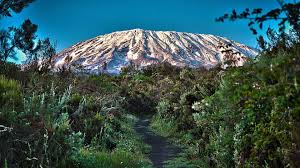
As hikers ascend, they are rewarded with breathtaking vistas of the surrounding landscapes, including views of Mount Kilimanjaro’s summit. The sight of the majestic peak rising above the lush forest is a highlight for many trekkers.
c. Wildlife Encounters
While traversing the trails of Kilimanjaro Forest, hikers often have the opportunity to encounter a variety of wildlife.
- Mammals:
The forest is home to unique species, such as the Kilimanjaro colobus monkey, which can often be seen swinging through the trees. Other wildlife, including bushbucks and duikers, may be spotted along the trails. - Birdwatching:
The diverse habitats within the forest attract a wealth of bird species, making it a paradise for birdwatchers. Colorful turacos and various endemic birds can be seen flitting through the branches, adding to the experience.
- Umbwe Route:
3.The Rich Life of Kilimanjaro Forest
The Kilimanjaro Forest is a vibrant ecosystem teeming with life, showcasing an extraordinary array of flora and fauna that contribute to its ecological richness. This lush environment not only supports a diverse array of species but also plays a crucial role in the overall health of the region.
a. Flora Diversity
The plant life in Kilimanjaro Forest is incredibly varied, with over 1,000 species of vascular plants recorded. This diversity is crucial for maintaining the ecological balance of the forest.
- Endemic Species:
Many plants found here are unique to the region, such as the giant groundsels and various orchids that thrive in the unique climatic conditions. These endemic species contribute to the forest’s distinct character and ecological significance. - Medicinal Plants:
The forest is rich in medicinal plants, which local communities have traditionally used for various ailments. This knowledge underscores the deep connection between the people and their environment, highlighting the cultural importance of the forest. - Vegetation Layers:
The forest features distinct layers of vegetation, including the emergent layer of tall trees, the canopy, and the understory. Each layer supports different plant species and provides habitats for wildlife.
b. Wildlife Diversity
The Kilimanjaro Forest is home to a wide variety of wildlife, making it an important sanctuary for many species.
- Mammals:
The forest supports numerous mammal species, including the iconic Kilimanjaro colobus monkey, known for its striking black and white fur. Other mammals like bushbucks and duikers are frequently spotted among the underbrush, contributing to the forest’s dynamic ecosystem. - Birdlife:
Birdwatchers flock to the Kilimanjaro Forest to witness its rich avian diversity. The forest is a habitat for various bird species, including the endemic cinnamon-chested bee-eater and colorful turacos, which thrive in the dense vegetation. - Insects and Other Wildlife:
The forest teems with life at all levels, from insects to larger mammals. The presence of diverse insects supports pollination and contributes to the food web, while butterflies and other invertebrates add to the forest’s vibrancy.
c. Ecological Interactions
The interactions among various species in Kilimanjaro Forest create a complex web of life that is essential for ecosystem health.
- Pollination:
Many plants rely on insects and birds for pollination, facilitating reproduction and maintaining plant diversity. This interaction is vital for the survival of many species within the forest. - Food Webs:
The Kilimanjaro Forest features intricate food webs, where each species plays a role in the ecosystem. Predators, herbivores, and decomposers all contribute to nutrient cycling and ecological balance. - Symbiotic Relationships:
Various plants and animals engage in symbiotic relationships, such as epiphytes that grow on trees, gaining nutrients from the host while providing habitats for insects and small animals.
4.Cultural Heritage and Traditions Surrounding Kilimanjaro Forest
The Kilimanjaro Forest is not only a natural wonder but also a site of immense cultural significance, particularly for the indigenous communities that have thrived in its shadow for generations. The traditions and heritage of these communities are deeply intertwined with the forest’s resources and landscapes, shaping their way of life and worldview.
a. The Chaga People
The Chaga are the primary ethnic group residing around the Kilimanjaro region. Their rich cultural heritage is closely linked to the forest and its resources.
- Agricultural Practices:
The Chaga have traditionally practiced agriculture on the fertile slopes of Kilimanjaro, cultivating crops such as bananas, coffee, and maize. Their farming techniques are adapted to the diverse microclimates created by the forest. - Traditional Knowledge:
The Chaga possess extensive knowledge of the local flora and fauna, particularly regarding medicinal plants. This knowledge is passed down through generations and is crucial for their health and well-being.
b. Spiritual Connections
The Kilimanjaro Forest holds spiritual significance for the Chaga and other communities, embodying their beliefs and traditions.
- Sacred Sites:
Certain areas within the forest are regarded as sacred, serving as sites for rituals and ceremonies. These places are often associated with ancestral spirits and are integral to the community’s cultural identity. - Mythology and Folklore:
The forest is rich in local myths and legends that explain the origins of the landscape and its inhabitants. These stories often convey moral lessons and reinforce the community’s connection to nature.
c. Traditional Practices
Various traditional practices related to the forest reflect the harmonious relationship between the Chaga people and their environment.
- Medicinal Remedies:
The Chaga utilize a variety of plants from the forest for traditional medicine. Knowledge of these remedies is vital for treating ailments and maintaining health within the community. - Craftsmanship and Art:
The forest provides materials for traditional crafts, such as weaving and wood carving. These artisanal practices often reflect cultural themes and are used in ceremonies and daily life.
Conclusion
The Kilimanjaro Forest is a remarkable ecosystem that embodies the intricate interplay of biodiversity, cultural heritage, and natural beauty. From its diverse flora and fauna, which include endemic species and vital medicinal plants, to the rich cultural traditions of the Chaga people who have thrived in its shadow, the forest serves as a living testament to the importance of preserving our natural heritage. Scenic trails wind through lush landscapes, offering hikers breathtaking views and opportunities to experience the forest’s vibrant life. The spiritual and practical connections that local communities maintain with the forest underline the significance of sustainable practices and conservation efforts. As we continue to explore and appreciate the wonders of Kilimanjaro Forest, it is essential to recognize its ecological, cultural, and social value, ensuring that this unique environment is preserved for future generations to enjoy and learn from. The Kilimanjaro Forest stands as a symbol of nature’s resilience and the enduring relationship between people and their environment.
Book this Tour with Kilinge Adventures
Apart from this, you may read and write some reviews for us from Safari Bookings.