- Trip Overview
- Similar Tours
What's included
- Professionally guided tour
- Visa arrangements
Kilimanjaro and Global Warming: A Snowcap on the Edge

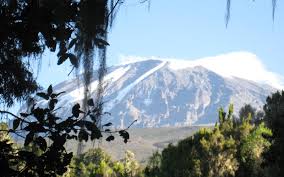
Mount Kilimanjaro, Africa’s tallest peak standing at 5,895 meters (19,341 ft), is not just a beacon for climbers and adventurers—it’s also one of the most visible indicators of climate change on the continent. Its iconic snowcap, a dazzling white crown above the equator, has fascinated scientists, travelers, and photographers for centuries. But today, that snowy summit is vanishing—and global warming is at the heart of it.
🌍 The Disappearing Glaciers of Kilimanjaro
Kilimanjaro’s glaciers have been steadily retreating for over a century. Studies show that over 85% of its ice cover has disappeared since 1912, and more than a third of the remaining glaciers have vanished since just the year 2000. If current trends continue, experts warn that the mountain could lose its glaciers entirely within the next 10 to 20 years.
Unlike other tropical glaciers that melt due to direct temperature increases, Kilimanjaro’s glaciers are more affected by changes in precipitation, humidity, and cloud cover. Global warming has disrupted regional weather patterns, leading to less snowfall and more sublimation—where ice turns directly into vapor without melting first.
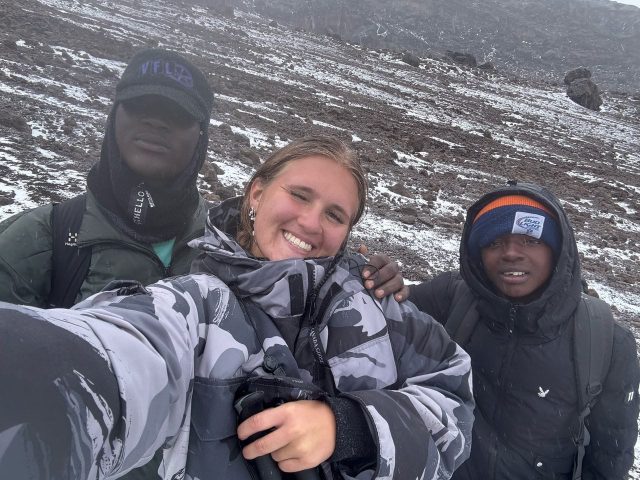
🔥 How Global Warming Affects Kilimanjaro
-
Rising Temperatures
Even small increases in temperature have a significant impact in high-altitude environments. Warmer air holds more moisture, changing precipitation patterns and reducing the snow needed to replenish the glaciers. -
Reduced Cloud Cover
Kilimanjaro’s glaciers depend on consistent cloud cover for protection from intense sunlight. With fewer clouds, the ice is exposed to more solar radiation, speeding up the sublimation process. -
Drier Conditions
Global climate shifts have brought longer dry seasons and shorter wet periods in East Africa. Without regular snowfall, the glaciers shrink year by year. -
Human Activity and Deforestation
Local deforestation, especially in the lower slopes, reduces atmospheric moisture and alters microclimates. Combined with global emissions, these local impacts further stress the mountain’s fragile environment.
🏔️ Why It Matters
The snowcap of Kilimanjaro is more than just a breathtaking sight. It is:
-
A vital source of freshwater for nearby communities and ecosystems.
-
A climatic indicator, reflecting broader environmental changes across East Africa.
-
A symbol of Africa’s natural heritage, revered in local culture and known worldwide.
Losing Kilimanjaro’s ice would not only reshape its appearance but also affect biodiversity, tourism, and local livelihoods.
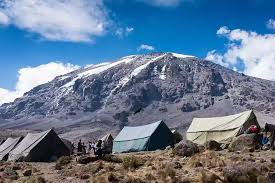
What Can Be Done?
The future of Kilimanjaro’s glaciers depends on a global effort to reduce greenhouse gas emissions and promote sustainable practices. Conservation work in the region also plays a role—through reforestation, eco-tourism, and climate education.
Travelers can contribute by:
-
Supporting eco-conscious tour operators.
-
Offsetting their carbon footprint.
-
Spreading awareness about climate change and its local impacts.
Visiting Kilimanjaro Today
For now, Kilimanjaro still dazzles with its white summit and diverse ecological zones. A climb to the top offers not only a physical challenge but also a deep emotional connection to a mountain undergoing profound change. Each step is a reminder of what we stand to lose—and what we can still protect.
If Kilimanjaro is on your bucket list, now is the time to witness this majestic wonder while it still wears its crown of ice.