Best Kilimanjaro acclimatization Join with Friends
- Trip Overview
- Similar Tours
What's included
how to train for climbing Mount Kilimanjaro
Climbing Mount Kilimanjaro is a thrilling and challenging adventure that requires preparation, stamina, and endurance. While the climb does not involve technical mountaineering, it is physically demanding due to long trekking days, high altitude, and unpredictable weather. Learning how to train for climbing Mount Kilimanjaro is essential for both beginners and experienced hikers who want to summit safely and enjoyably.
Proper training improves cardiovascular fitness, strengthens muscles, builds mental resilience, and reduces the risk of altitude sickness and injuries.
Why Training Matters
Even though Kilimanjaro is non-technical, its steep trails, rocky paths, and high altitude require good physical conditioning. Training helps you:
-
Increase cardiovascular endurance for long hikes
-
Build leg strength for steep climbs and descents
-
Strengthen core muscles for stability while carrying a backpack
-
Reduce fatigue and soreness
-
Prepare mentally for long summit nights and cold conditions
A structured training plan ensures that your body is ready for the physical and mental demands of the climb.
Cardio Training
Cardiovascular fitness is crucial for a successful Kilimanjaro climb. Recommended cardio exercises include:
-
Hiking or trekking on hills or trails
-
Stair climbing or treadmill incline workouts
-
Running or jogging 3–5 times per week for 30–60 minutes
-
Cycling or elliptical training for endurance
Gradually increase intensity and duration over 8–12 weeks before the trek to build stamina.
Strength Training
Strong legs, core, and upper body are essential for trekking long distances and carrying a backpack.
Leg exercises:
-
Squats and lunges
-
Step-ups on stairs or benches
-
Deadlifts for glutes and hamstrings
Core exercises:
-
Planks
-
Sit-ups or crunches
-
Russian twists
Back and shoulder exercises:
-
Rows and shoulder presses to carry a backpack efficiently
Train 2–3 times per week, ideally combined with cardio sessions.
Hiking-Specific Training
Simulating actual hiking conditions is highly effective:
-
Take long hikes with a loaded backpack (10–15 kg)
-
Train on uneven terrain to improve balance
-
Practice uphill and downhill walking to strengthen legs
-
Hike for 4–6 hours on weekends to build endurance
Altitude Preparation
While pre-climb high-altitude training may not be possible for everyone, you can:
-
Hike at the highest elevation available locally
-
Include stair climbing or incline treadmill workouts
-
Consider longer Kilimanjaro routes like Lemosho or Northern Circuit for better acclimatization
Flexibility and Injury Prevention
Flexibility reduces injury risk during long hikes:
-
Stretch major muscles: calves, hamstrings, quads, hips, lower back
-
Include yoga or Pilates sessions 1–2 times per week
-
Perform dynamic stretching before workouts and static stretching after
Mental Preparation
Climbing Kilimanjaro is as much mental as physical. Tips for mental readiness:
-
Visualize reaching the summit
-
Prepare for long, cold summit nights
-
Use positive self-talk and goal setting
-
Practice endurance through simulated hikes
Sample Weekly Training Plan (8–12 Weeks Before Trek)
Monday: 45 min cardio + leg strength
Tuesday: Core workout + brisk walk
Wednesday: Rest or light stretching/yoga
Thursday: Stair climbing or incline treadmill + strength
Friday: 30–45 min run or cycling
Saturday: Long hike with backpack (3–6 hours)
Sunday: Rest or active recovery
Increase duration, intensity, and backpack weight gradually.
Gear to Train With
-
Backpack (10–15 kg) for simulation
-
Hiking boots or trail shoes
-
Trekking poles (optional for summit practice)
-
Hydration pack to stay prepared for long sessions
Conclusion
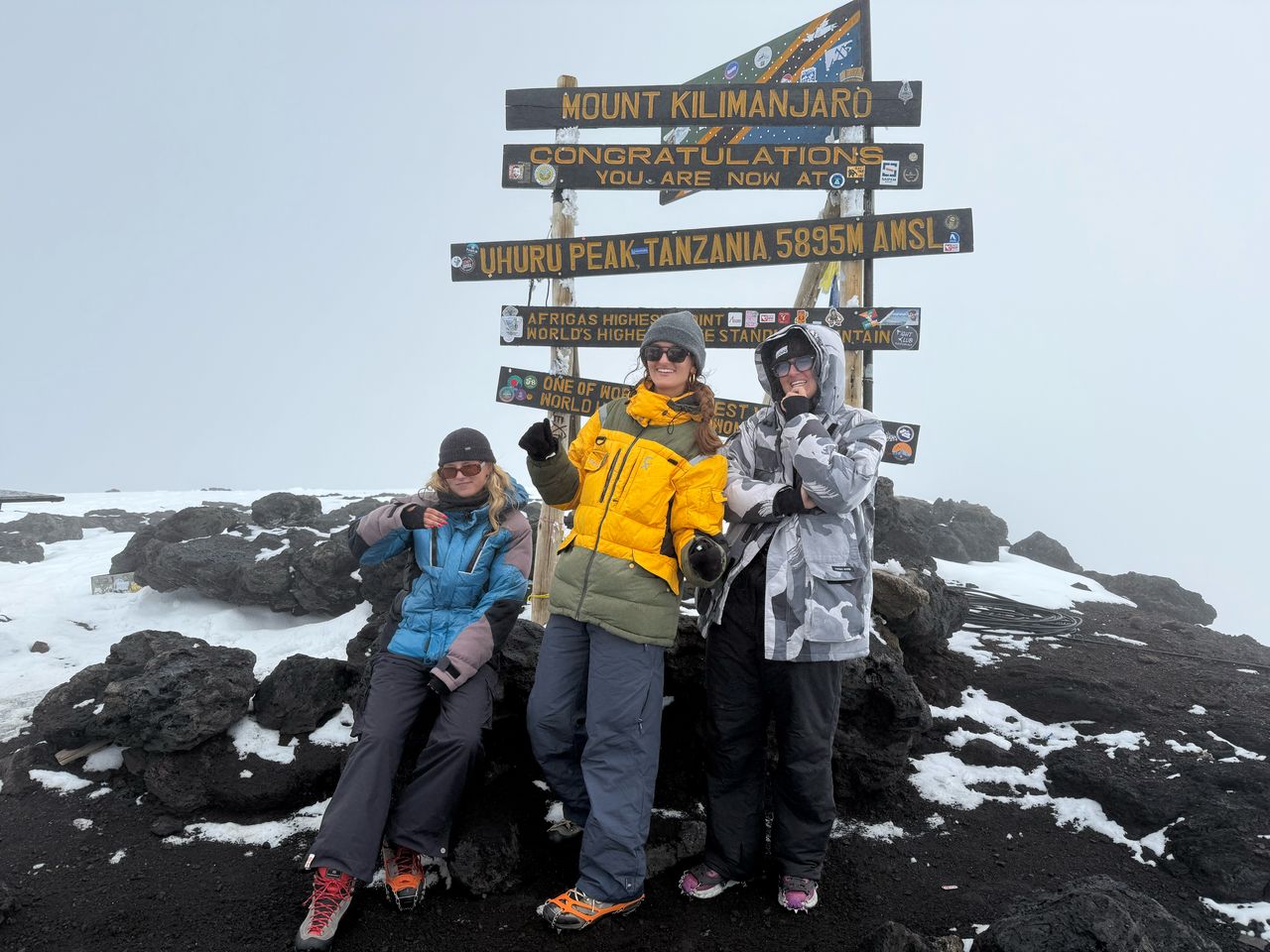
Knowing how to train for climbing Mount Kilimanjaro is essential for a safe, enjoyable, and successful climb. A combination of cardio, strength, hiking practice, flexibility, and mental preparation ensures your body and mind are ready for high-altitude trekking, long hiking days, and challenging summit conditions. Start training at least 8–12 weeks before your climb, follow a structured plan, and gradually increase intensity to maximize your chances of reaching Uhuru Peak and creating an unforgettable experience.
 Book this Tour with Kilinge Adventures
 Book this Tour with
 Apart from this, you may read and write some reviews for us from Safari Bookings.