Witness New Life on Ndutu’s Plains — February 2027
- Trip Overview
- Similar Tours
What's included
KILINGE ADVENTURES · TANZANIA · FEBRUARY 2027
Best February Ndutu Wildebeest Calving Safari 2027
Make room for new life on the southern plains. Plan your February 2027 safari around Ndutu’s calving herds, unhurried wildlife viewing and a camp location that supports your time in the bush.
On a February Ndutu wildebeest calving safari 2027 with Kilinge Adventures, build a journey around the experiences that matter to you: watching young wildebeest keep close to their mothers, following the rhythm of the herds and exploring the open landscapes of the greater Serengeti ecosystem. Choose your travel dates, accommodation style and safari length, then request a clear, personalised proposal.
Your February Safari at a Glance
This page helps you choose the right February safari before selecting a final package. The suggested route below gives Ndutu the main share of your time, with a Ngorongoro Crater visit as a contrasting final wildlife experience.
| Planning detail | Proposed arrangement |
|---|---|
| Travel period | February 2027; dates requested by you and confirmed before booking. |
| Main destination | Ndutu and the southern plains of the greater Serengeti ecosystem, with a Ngorongoro Crater visit. |
| Suggested duration | 6 days / 5 nights: four nights in Ndutu and one night in the Ngorongoro highlands or Karatu. |
| Wildlife time | Three full Ndutu days, plus viewing opportunities on arrival and departure when conditions permit. |
| Start and finish | Arusha. Moshi and airport transfers can be added to the written proposal. |
| Safari format | Private itinerary; joining-group options depend on a compatible confirmed departure. |
| Accommodation | Tented camp or lodge, selected for location, comfort, room configuration and availability. |
| Price | Tailored quotation for your dates, party size, accommodation and transport arrangements. |
Planning status: This is a suggested itinerary, not a published fixed departure or confirmed accommodation reservation. Your final proposal will specify the route, properties, services and total price.
Why Choose Ndutu for a February Safari?
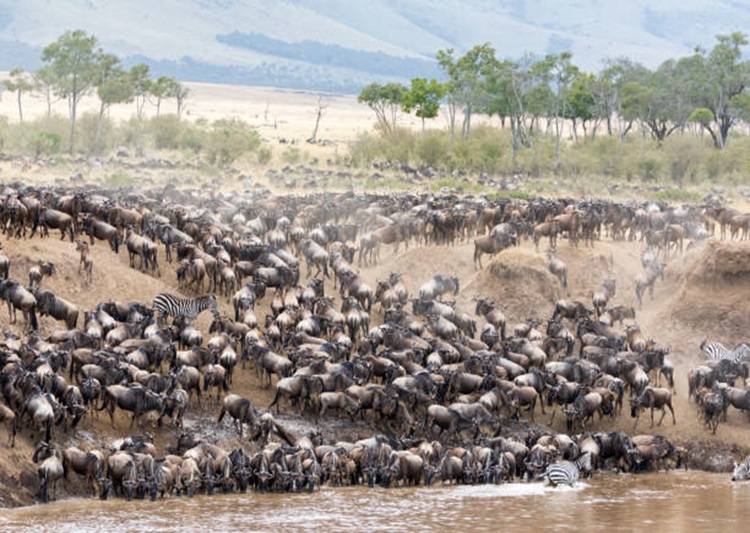
Ndutu is associated with the wildebeest calving phase of the Great Migration. Its short-grass plains provide grazing for herds arriving with the seasonal rains, while open country creates opportunities to observe animals interacting across a wide landscape. February is traditionally a peak month for calving, within a broader season that can extend across January to March.
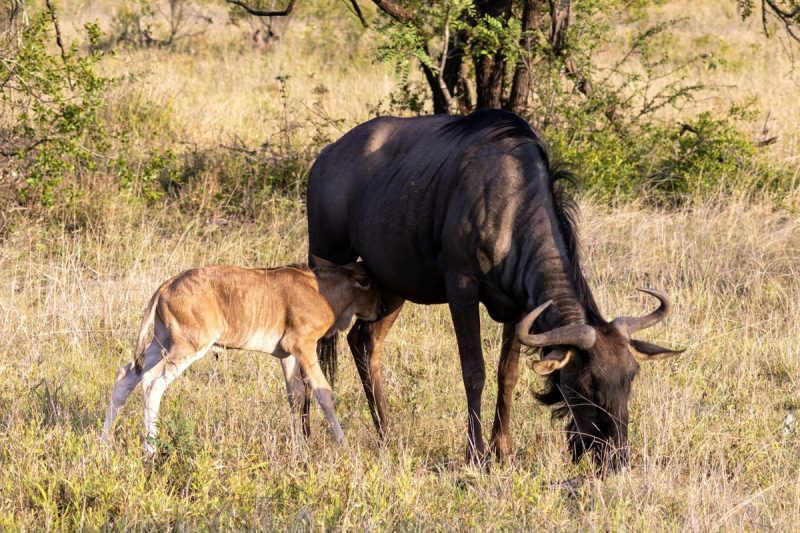
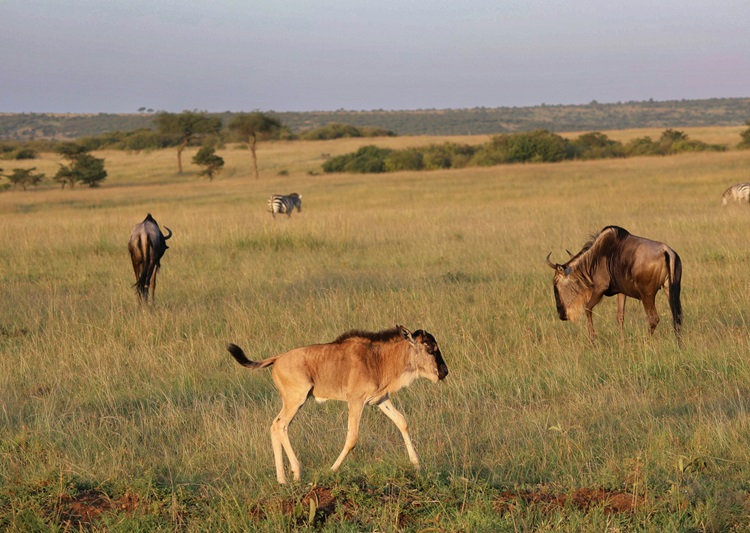
The appeal goes beyond a single birth. Young calves finding their feet, mothers keeping contact with their offspring, zebra mingling with the herds and predators moving through the ecosystem can all contribute to a rich safari. Spend time observing behaviour, listening to your guide and appreciating the quieter moments between sightings.
Time Where It Matters
Several nights in the Ndutu area reduce repeated transfers and give your guide more scope to plan around local conditions. Returning to a productive area can be more rewarding than adding another distant destination.
A Safari Built Around Your Interests
Discuss photography, family pacing, birdlife or general wildlife viewing before booking. Your priorities help shape daily driving patterns, camp choice and the balance between full-day outings and time to rest.
Wildlife remains unpredictable. A birth, hunt, particular species or close encounter cannot be guaranteed. The best planning protects time in suitable habitat while leaving room to respond to what is happening locally.
When in February 2027 Should You Travel?
There is no reliable calendar date for the largest concentration of births in 2027. Rainfall, grazing and herd movements influence conditions each season. Choose travel dates that work for your schedule, then prioritise nights in the area and a suitable camp rather than relying on a promised “perfect week”.
| Travel window | How to approach it | What to confirm |
|---|---|---|
| Early February | A suitable period to consider within the traditional calving season; current herd positions will guide daily plans. | Camp location and the number of full wildlife days. |
| Mid-February | Another strong seasonal planning choice, with newborn calves and herd behaviour among the main interests. | Room availability, vehicle arrangements and your preferred daily pace. |
| Late February | Still within the broader calving-season travel window; the mix of births, growing calves and herd movement may differ. | Recent field reports and how your route can respond within its agreed permits and nights. |
For a wider comparison of travel periods, explore our Ndutu calving season safari 2027 . It is a useful next step if your dates can extend into January or March.
Where You Will Go: Ndutu and Ngorongoro
Ndutu and the Southern Serengeti Ecosystem
Ndutu lies in the Ngorongoro Conservation Area beside the southern Serengeti. The surrounding landscape includes short-grass plains, woodland, lakes and seasonal wet areas. The wider ecosystem crosses administrative boundaries, so a camp described as “southern Serengeti” does not automatically mean every drive enters Serengeti National Park.
Your proposal should identify the camp’s actual location, the areas planned for game drives and the permits included. This makes the route easier to understand and prevents confusion about which protected areas you are paying to visit.
Ngorongoro Crater
A crater visit adds a different setting to the southern plains. In this proposed route, a highland or Karatu overnight separates the Ndutu stay from the crater excursion. The descent, viewing time and onward transfer must be planned together so the final day remains realistic.
Tarangire, Central Serengeti and northern Serengeti are optional route changes or extensions. They are not included automatically in this six-day example. A February calving safari focuses on the southern ecosystem; it should not be sold as a guaranteed northern river-crossing experience.
How Many Days Do You Need?
| Option | Who it suits | Planning trade-off |
|---|---|---|
| 5 days | Travellers with limited time who want a focused Ndutu and crater itinerary. | Protect Ndutu nights and avoid adding too many distant parks. |
| 6 days | Travellers who want three full Ndutu days plus Ngorongoro. | Our suggested balance below uses four Ndutu nights and one highland night. |
| 7 days or longer | Photographers, slower-paced travellers or visitors adding another park. | Add nights for a clear purpose; review the driving time between each destination. |
Prefer a shorter dedicated package? View our 5-day Ndutu calving safari 2027 . For a broader Serengeti route starting in Arusha, compare the 5-day Serengeti safari from Arusha and ask how it differs in February destination choice and time near the calving herds.
Suggested 6-Day February Ndutu Safari Itinerary
Suggested route: Arusha → Ndutu, four nights → Ngorongoro highlands or Karatu, one night → Ngorongoro Crater → Arusha. This example prioritises the calving region instead of combining too many parks into a short journey.
| Day | Programme | Overnight | Meals |
|---|---|---|---|
| 1 | Arusha to Ndutu | Ndutu | Lunch, dinner |
| 2–4 | Three full Ndutu wildlife days | Ndutu | Breakfast, lunch, dinner daily |
| 5 | Ndutu to highlands / Karatu | Highlands or Karatu | Breakfast, lunch, dinner |
| 6 | Crater visit; return to Arusha | No overnight included | Breakfast, lunch |
Day 1: Arusha to Ndutu — Arrive on the Southern Plains
Ndutu · Night 1 · Lunch and dinnerBegin with a safari briefing and an early departure from Arusha. This is a substantial road-transfer day, so arrive in Arusha the previous evening where possible. Travel towards the Ngorongoro Conservation Area and continue to the Ndutu region, allowing for entry formalities, road conditions and comfort stops.
If arrival time permits, enjoy introductory wildlife viewing before settling into camp. Your guide will explain the next day’s plan using local conditions and recent sightings. The evening is a chance to organise cameras, discuss your interests and rest before the first full day.
Day 2: Ndutu — Follow the Herds
Ndutu · Night 2 · Breakfast, lunch and dinnerDevote the day to exploring areas selected for current wildlife activity. Look for wildebeest herds, young calves and the interaction between grazing animals and their surroundings. Your guide may vary the route as conditions change, while keeping within the areas and permissions covered by your safari.
Choose a picnic lunch for a longer outing or a camp break where distance and the agreed schedule make it practical. Patience matters: watching a herd settle, feed or move can reveal more than constantly driving in search of a dramatic event.
Day 3: Ndutu — Newborns, Predators and Photography
Ndutu · Night 3 · Breakfast, lunch and dinnerUse a second full day to develop a deeper picture of the ecosystem. Lions, cheetahs and other predators are possible subjects, alongside the herds and smaller wildlife. Sightings depend on the day, and your guide will balance searching with time to observe animals already found.
For photographers, discuss light, positioning and the time needed at each sighting. Leave space around mothers and calves, avoid influencing animal movement and follow your guide’s instructions. A private vehicle gives greater control over how long you remain at an appropriate viewing location.
Day 4: Ndutu — A Full Day with Room to Explore
Ndutu · Night 4 · Breakfast, lunch and dinnerYour third full Ndutu day provides room to revisit productive areas or explore a different part of the permitted landscape. Depending on conditions, woodland edges, open plains and lake surroundings can offer contrasting wildlife and scenery.
This extra day also allows a more comfortable rhythm for families and travellers who prefer breaks. Discuss the balance between morning drives, picnic outings and camp time with your guide. Flexibility concerns daily viewing plans; changes to booked parks, nights or major transfers may require extra arrangements.
Day 5: Final Ndutu Viewing — Ngorongoro Highlands or Karatu
Highlands / Karatu · Night 5 · Breakfast, lunch and dinnerEnjoy a final wildlife outing if the transfer schedule permits, then leave Ndutu for your highland or Karatu accommodation. Moving closer to the crater prepares you for the final day and adds a change of scenery after several nights on the plains.
The afternoon programme depends on the camp location and driving conditions. Rest at your accommodation and confirm the next morning’s departure time. Any additional cultural activity should be requested separately so its duration, cost and community arrangements are clear.
Day 6: Ngorongoro Crater — Return to Arusha
Safari ends in Arusha · Breakfast and lunchDepart for the planned crater excursion, descend for a game drive and enjoy a picnic lunch at an authorised stop. Your guide will plan the visit around the applicable access rules and the time needed for the return journey.
Continue to Arusha after the excursion. An onward airport transfer or Moshi drop-off must be included in the final proposal. Avoid booking a tight flight connection on the basis of this outline; share your flight details first so the schedule can be checked.
Meal plan for this example: five breakfasts, six lunches and five dinners. Accommodation before Day 1, dinner after the safari and additional transfers are included only if listed in your quotation.
Private Safari or Joining Group?
Private Safari
A private arrangement suits couples, families, friends and photographers who want a vehicle for their own party. Discuss the daily pace, room arrangements and wildlife interests in advance. It is particularly useful when children need breaks or photography requires longer stops.
The quotation should state the vehicle type, guide language, seating arrangement and whether the vehicle is exclusive throughout the road safari.
Joining-Group Enquiry
A shared safari can suit solo travellers or visitors who are comfortable following an agreed group route. Ask whether a compatible February departure is available before making travel plans around it.
Confirm the actual itinerary, passenger numbers, seat allocation, accommodation, single-room arrangements and minimum departure conditions. A group safari may follow a different programme from the private example above.
Choosing the Right Ndutu Accommodation
Location deserves as much attention as room style. A comfortable camp far from your planned viewing area can add driving each day. Ask for the property name and location, then compare the time available for wildlife viewing with the facilities important to you.
| Priority | Details to request |
|---|---|
| Camp location | Exact operating location for February 2027 and the protected area in which it sits. |
| Room comfort | Private or shared bathroom, bed configuration, hot-water arrangements and any tent access steps. |
| Families | Family rooms, minimum ages, extra-bed arrangements and supervision requirements. |
| Power and connectivity | Charging arrangements, power hours, plug requirements and realistic mobile or Wi-Fi expectations. |
| Meals | Meal plan, drinking water and how dietary requirements will be accommodated. |
| Night-time arrangements | Staff escort procedures, walking rules and assistance between tents and common areas. |
Seasonal tented camps and permanent lodges can offer different experiences. Photographs alone do not establish facilities or availability. Your confirmed booking should name the property and room category for each night, with any proposed substitutions explained before you accept them.
February 2027 Safari Cost and What to Include
Request a quotation based on your actual party and dates. The total is influenced by the number of travellers sharing the vehicle, accommodation category, room occupancy, safari duration, protected-area access and road or flight arrangements. A lower headline price is only useful when you understand the services behind it.
Ask for These in Your Quote
- Safari vehicle, fuel and professional driver-guide for the agreed route.
- Five accommodation nights for the suggested six-day itinerary.
- The stated meal plan and drinking-water provision.
- Applicable conservation, park, camping or concession charges for the named route.
- Ngorongoro Crater access and vehicle-related charges for the planned visit.
- Agreed pickup, drop-off and any airport or Moshi transfers.
- Applicable taxes and a clear total in the quoted currency.
Confirm Separately
- International and domestic flights unless specifically included.
- Pre-safari and post-safari accommodation.
- Travel insurance, personal travel documents and individual travel requirements.
- Tips, personal shopping, laundry and drinks outside the meal plan.
- Balloon flights, cultural visits and other optional activities.
- Single-room charges, child pricing and any additional transfers.
Before paying: Check the total price, deposit, balance date, cancellation and amendment terms, room availability and any conditions attached to a group departure. Ask whether the quote is final or subject to specified 2027 fee changes. No price or discount is implied by this page.
Starting from Arusha, Moshi or an Airport
Arusha: An overnight stay before Day 1 helps protect the early departure for Ndutu. Tell us your hotel and arrival time so pickup arrangements can be included.
Moshi: Request a Moshi pickup or a transfer to Arusha the previous day. The extra travel affects the start time and overall driving day, so it should be planned rather than added informally at the last moment.
Kilimanjaro International Airport or Arusha Airport: Send the full flight number, date and landing time. Airport pickup, an arrival hotel and the onward safari start can then be priced as one practical plan.
Fly-in alternative: If you prefer less road travel, ask for a revised fly-in proposal. Flight schedules, landing airstrip, luggage allowance, transfers and the safari vehicle arrangement must be checked separately. Flights are not included in the road itinerary shown here.
Packing, Comfort and Responsible Wildlife Viewing
Pack for early starts, warm daytime conditions, possible showers and dusty or muddy roads. A soft bag is convenient for a road safari; if flying, follow the confirmed airline’s baggage rules. Bring a light waterproof layer, sun protection, comfortable closed shoes and a warmer layer for the highlands.
- Binoculars, camera equipment, spare batteries and enough memory cards.
- A dust cover or protective bag for electronics and a simple camera support if you use a long lens.
- A reusable water bottle, sunglasses and a hat that stays secure in a vehicle.
- Personal essentials and any regular medicines in your hand luggage.
- Your dietary requirements, mobility needs and children’s ages shared before accommodation is booked.
Stay in the vehicle where required, keep noise low and never ask a guide to separate a calf from its mother or block an animal’s path. Driving permissions differ between protected areas; your guide must follow the rules applying to the location. Wildlife viewing can involve waiting, uneven tracks and emotionally intense predator encounters, so discuss expectations with children beforehand.
Frequently Asked Questions
Is February the best month for Ndutu calving?
February is traditionally a peak calving month and a strong period to consider. The wider season often spans January to March, but rainfall and herd movements influence each year. No particular week in February 2027 can guarantee births or a fixed herd location.
Will I see a wildebeest giving birth?
You may encounter newborn calves and could witness a birth, but neither can be guaranteed. Several days in the calving region provide more viewing opportunities than a brief stop.
Is Ndutu in Serengeti National Park?
Ndutu lies in the Ngorongoro Conservation Area beside the southern Serengeti. The wider southern ecosystem includes different administrative areas. Confirm the camp location, game-drive areas and permits in your quotation.
Can I book five days instead of six?
Yes, request a shorter proposal or follow the dedicated five-day Ndutu tour link on this page. Compare the nights spent near Ndutu, full wildlife days and transfer time before choosing.
Can this safari start from Moshi?
Moshi arrangements can be requested. They may involve an earlier pickup or an overnight in Arusha before the safari. The transfer and any additional accommodation should appear in the final quotation.
Is a joining-group departure guaranteed?
No group departure is confirmed by this page. Ask Kilinge Adventures for an available departure matching your dates, then check the route, passenger numbers, rooms and departure conditions.
Can I add a balloon safari?
Ask whether a suitable flight is operating near your confirmed route and dates. The launch area, transfer, age restrictions, price and weather conditions must be confirmed. Ballooning is an optional extra, not part of the suggested itinerary.
Are camps and prices already confirmed for 2027?
No. This page presents a planning outline. Your written proposal and booking confirmation will identify the accommodation, dates, services, price and payment terms.
Can families and photographers tailor the programme?
Yes, request a private proposal and describe your priorities. Families should share children’s ages and preferred pacing; photographers should discuss space, equipment and time at sightings. Specific facilities and arrangements require confirmation.
What Previous Safari Guests Say
These short excerpts describe earlier Kilinge Adventures safaris. They are feedback about past trips, not reviews of a February 2027 departure.
SafariBookings
“Kilinge organized our safari perfectly. Always available for us”
Marco · Italy
Reviewed 14 January 2026.
TripAdvisor
“Our drivers and guide Joel and Fazil were experts and great spotters for animals.”
Jay E
Reviewed 16 March 2025, following a two-day Tarangire
and Ngorongoro safari with friends.
Travelled with Kilinge Adventures?
Share an honest review of the safari you personally experienced. You can read and write reviews through our SafariBookings profile and TripAdvisor listing .
Write a SafariBookings review (new tab) · Open TripAdvisor to write a review (new tab)
Your February Safari Starts Here
Share your dates and group size. Kilinge Adventures will prepare a tailored Ndutu safari quotation.
Book this Tour with
Kilinge Adventures
Call / WhatsApp:
+255 655 258 250