- Trip Overview
- Similar Tours
What's included
- Professionally guided tour
- Visa arrangements
Fastest Kilimanjaro Ascent: Who Did It and What You Should Know
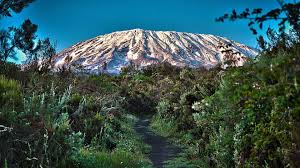
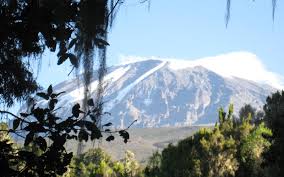
Mount Kilimanjaro, Africa’s highest peak at 5,895 meters (19,341 feet), is not only a dream destination for trekkers worldwide — it’s also the setting for some jaw-dropping feats of endurance. Among them, one stands out: the fastest ascent of Kilimanjaro.
Fastest Kilimanjaro Ascent Record
The current official record for the fastest ascent and descent of Mount Kilimanjaro is held by Karl Egloff, a Swiss-Ecuadorian mountain runner. On August 13, 2014, he completed the round-trip from the Umbwe Gate to Uhuru Peak and back in an astonishing:
🕒 6 hours, 42 minutes, and 24 seconds
Karl beat the previous record set by Spanish ultrarunner Kilian Jornet, who completed the ascent and descent in 7 hours and 14 minutes in 2010.
Egloff chose the Umbwe Route, known as one of the steepest and most direct paths to the summit, which helped minimize distance while maximizing elevation gain.
How Did He Do It?
Egloff’s background as a professional mountain biker and high-altitude athlete prepared him physically and mentally for the challenge. Here’s what made the feat possible:
-
Pre-acclimatization: He spent time at high altitude before the attempt to adapt to lower oxygen levels.
-
Minimal gear: He traveled light, with no heavy packs or camping equipment.
-
Support team: A small crew provided water, timing, and logistical support.
-
Intense training: His program included strength, endurance, and elevation training tailored for high-altitude speed climbs.
Should You Try to Climb Kilimanjaro Fast?
While records like Egloff’s are impressive, they are not for typical trekkers. For most climbers, a slow and steady ascent is the safest and most successful way to summit Kilimanjaro. Here’s why:
Acclimatization Matters
Kilimanjaro is a non-technical climb, but altitude sickness is a serious risk. Your body needs time to adjust to thinner air to avoid AMS (Acute Mountain Sickness), HAPE, or HACE.
Recommended Duration
The safest and most successful Kilimanjaro climbs typically take 7–9 days, depending on the route. Popular options include:
-
Lemosho Route – scenic, gradual climb with high success rate
-
Machame Route – “Whiskey Route” known for stunning views
-
Rongai Route – quieter and drier, ideal during the wet season
-
Marangu Route – huts instead of tents, but faster and riskier due to rapid ascent
Climbing for Speed vs. Climbing for Experience
Trying to beat the clock on Kilimanjaro is a niche athletic pursuit. For most climbers, the focus should be on:
-
Soaking in the diverse climate zones (from rainforest to arctic)
-
Enjoying the camaraderie of your trekking group and guides
-
Taking photos of epic sunrise views at Stella or Uhuru Peak
-
Appreciating the journey, not just the destination
Final Thoughts
The fastest Kilimanjaro ascent is a remarkable achievement of human endurance and preparation, but it’s not a goal for everyone. Whether you’re trekking for the challenge, the views, or the story, take your time and do it safely.
Want to summit Kilimanjaro at your own pace — with expert guides and a route tailored to your ability? At Kilinge Adventures, we’ll help you climb smart, stay safe, and make memories that last a lifetime.
Book this Tour with Kilinge Adventures
Additionally, you may write reviews for us on Safari Bookings.