- Trip Overview
What's included
- Professionally guided tour
- Visa arrangements
Eco-Friendly Safaris Tanzania – Guide to Sustainable Safari Experiences
Discover the best eco-friendly safaris in Tanzania. Learn how to travel responsibly, explore green lodges, and support conservation with sustainable safari tours.
Why Choose Eco-Friendly Safaris in Tanzania?
Tanzania is one of Africa’s leading safari destinations — and it’s also a place where you can travel with purpose. Choosing an eco-friendly safari in Tanzania means minimizing your environmental footprint while supporting conservation and local communities. From solar-powered camps to zero-plastic policies, sustainable tourism is reshaping how we experience the wild. this eco-friendly safari is most important thing to improve the relationship and cooperation among us, since it brings us together to make good moment and cerebrating the Journey of Africa and attractions at all, these actions are largely done by Kilinge adventure which is the company in mountain climbing and Safaris at all. Make you feel better.


What Makes a Safari Eco-Friendly?
A true eco-safari in Tanzania is designed to protect nature and uplift local communities. Look for tours and lodges that incorporate:
-
✅ Solar power and renewable energy
-
✅ Waste reduction and plastic-free policies
-
✅ Water conservation systems
-
✅ Ethical wildlife viewing practices
-
✅ Locally sourced food and employment
-
✅ Carbon offsetting programs
-
✅ Support for conservation projects and anti-poaching units
Sustainability is not just a trend — it’s a commitment to preserving Tanzania’s incredible ecosystems for future generations.
Best Eco Safari Destinations in Tanzania
🌿 Serengeti National Park
-
Home to eco-luxury lodges and mobile tented camps that move with the migration
-
Conservation-focused experiences with minimal impact
-
Supports anti-poaching and community education initiatives
🌋 Ngorongoro Conservation Area
-
Combines wildlife conservation with Maasai community empowerment
-
Eco-friendly lodges with waste treatment systems and solar energy
-
Focus on sustainable coexistence between people and wildlife

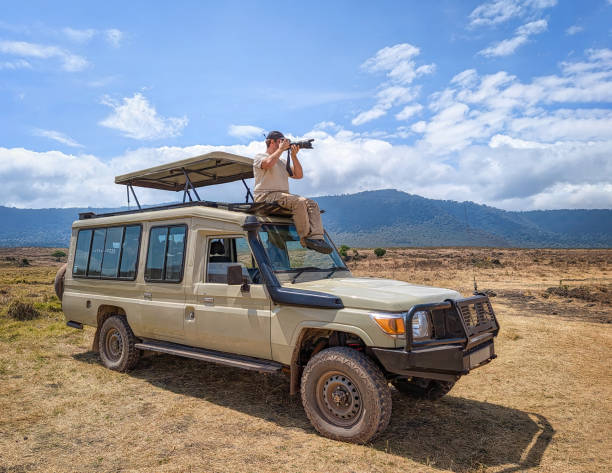
A wildlife photographer perched on the roof of a safari vehicle in Ngorongoro, Tanzania, captures the stunning scenery and wildlife through a telephoto lens. The rugged terrain, rolling hills, and expansive skies highlight the adventure and beauty of exploring Africa’s iconic landscapes and nature reserves.
🏞️ Tarangire National Park
-
Known for quiet, low-impact safaris
-
Elephant conservation and eco-tented camps
-
Unique baobab landscapes with sustainable tour practices

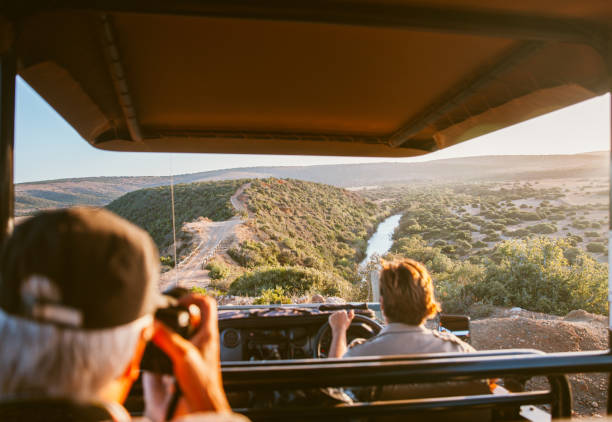
Exploring safari with a female ranger.
🌱 Lake Natron & Lake Manyara
-
Fragile ecosystems that demand eco-conscious exploration
-
Home to flamingo breeding sites and rare forest habitats
-
Guided by community-run conservancies and eco-rangers
🦁 Ruaha & Nyerere National Parks (Southern Tanzania)
-
Remote and untouched regions, ideal for low-impact, slow travel
-
Focused on walking safaris, conservation research, and intimate wildlife experiences
-
Excellent examples of community-based tourism
Types of Eco-Friendly Safari Tours
-
Small group safaris to reduce vehicle usage
-
Walking safaris with trained local guides
-
Carbon-neutral private safaris with offset programs
-
Bird watching safaris in sensitive ecosystems
-
Photographic safaris with conservation angles
-
Community-led cultural safaris supporting local traditions
Sample 7-Day Eco Safari Itinerary
Day 1: Arrive in Arusha – Overnight in a green-certified eco-lodge
Day 2: Transfer to Tarangire – Game drives with low-emission vehicles
Day 3: Visit local Maasai village with cultural exchange program
Day 4: Serengeti – Stay at solar-powered tented camp
Day 5: Early morning walking safari + photography session
Day 6: Ngorongoro – Visit crater floor, conservation talk
Day 7: Return to Arusha, plant a tree as part of carbon-offset program
Tips for a Sustainable Safari in Tanzania
-
Bring reusable water bottles and eco-toiletries
-
Travel light to reduce fuel usage on small planes and jeeps
-
Support locally owned lodges and camps
-
Avoid buying wildlife products or unethical souvenirs
-
Join safaris that limit off-road driving and respect wildlife distances
-
Ask operators about their sustainability practices before booking
Best Time for Eco Safaris in Tanzania
-
Dry Season (June–October): Less water waste, more concentrated wildlife
-
Green Season (November–May): Great for birding and supporting tourism in low season
-
Year-Round: Eco-camps operate throughout the year, adapting to each season responsibly
Why It Matters
Tanzania’s ecosystems are under pressure from climate change, over-tourism, and poaching. By choosing eco-friendly safaris, you:
-
Help preserve natural habitats
-
Contribute to wildlife conservation
-
Empower local communities
-
Set a standard for responsible travel