- Trip Overview
- Similar Tours
What's included
- Professionally guided tour
- Visa arrangements
Kilimanjaro: The Dormant Volcano of Africa

Mount Kilimanjaro, the highest peak in Africa standing at an awe-inspiring 5,895 meters (19,341 feet), is more than just a majestic mountain—it’s a dormant volcano with a fascinating geological history. Located in northeastern Tanzania, close to the border with Kenya, Kilimanjaro attracts thousands of climbers, nature lovers, and adventure seekers from around the globe every year. But few realize that they are walking on a sleeping giant.
Book this Tour with Kilinge Adventures
Apart from this, you may read and write some reviews for us from Safari Bookings.
The Volcanic Origins of Kilimanjaro
Kilimanjaro is not a single peak but a stratovolcano made up of three distinct volcanic cones:
- Kibo – the highest and central cone, and the only one with glacial ice and snow.
- Mawenzi – the rugged, jagged peak to the east, which is extinct.
- Shira – the oldest of the three cones, now collapsed and forming a plateau.
Geologists estimate that Kilimanjaro formed over 750,000 years ago as a result of volcanic activity associated with the East African Rift System. This tectonic rift is slowly pulling the African continent apart, and Kilimanjaro emerged from the fractures and pressure deep beneath the Earth’s surface.
Dormant—but Not Dead
Kilimanjaro is considered a dormant volcano, which means it hasn’t erupted in thousands of years, but it could erupt again. The last major eruption is thought to have occurred around 360,000 years ago, with the most recent activity (minor ash and gas emissions) estimated at about 200 years ago.
Scientists have discovered fumaroles (steam and gas vents) near the summit crater of Kibo, indicating that there is still heat and pressure beneath the mountain, though no immediate threat of eruption.
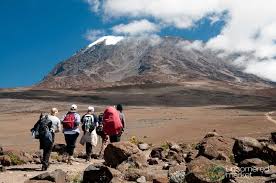
What Makes Kilimanjaro Unique
Most volcanoes are known for their cone-shaped profile and lava flows, but Kilimanjaro is exceptional for several reasons:
- It stands alone, unlike most massive peaks that are part of mountain ranges. Kilimanjaro rises dramatically from the surrounding plains.
- It has glaciers and permanent snowcaps at the summit, a surprising feature for a mountain near the equator.
- Its diverse ecological zones, from tropical rainforest to alpine desert to arctic summit, make it a truly unique climbing experience.
Climbing a Dormant Volcano
When climbers ascend Kilimanjaro, they are trekking up the side of a volcano—Kibo, to be specific. The summit, Uhuru Peak, is perched on the rim of Kibo’s crater, and climbers often pass by volcanic features such as:
- Reusch Crater – a 400-meter-wide depression at the summit.
- The Ash Pit – a deep hole in the center of the crater floor, still emitting sulfur gases.
- Lava Tower – a volcanic rock formation at 4,600 meters, is passed on several routes for acclimatization.
Despite its dormant status, Kilimanjaro offers a very real sense of the Earth’s power and past, making the climb not only a physical challenge but also a journey through geological time.
Final Thoughts
Kilimanjaro’s identity as a dormant volcano adds an extra layer of fascination to this iconic African destination. From its fiery beginnings to its current snow-capped majesty, Mount Kilimanjaro is a monument to the dynamic forces of nature. Whether you’re a geology enthusiast, an adventure seeker, or a curious traveler, standing atop this ancient volcano will leave you in awe of the Earth’s ever-evolving story.