- Trip Overview
- Similar Tours
What's included
- Professionally guided tour
- Visa arrangements
Climbing Mount Kilimanjaro Without Supplemental Oxygen: What You need to Know
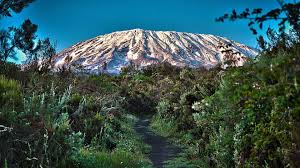
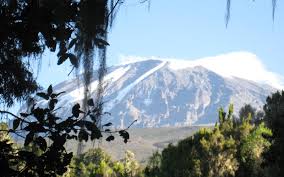
Climbing Mount Kilimanjaro is a bucket-list adventure for thousands of trekkers each year. Standing at 5,895 meters (19,341 feet), Kilimanjaro is Africa’s highest peak and the tallest freestanding mountain in the world. But one question many climbers ask is: Can you climb Kilimanjaro without supplemental oxygen? The answer is yes—and almost everyone who summits does exactly that.
Is Supplemental Oxygen Needed on Kilimanjaro?
Unlike high-altitude climbs such as Everest or K2, Mount Kilimanjaro does not require supplemental oxygen. The mountain is high, but not high enough to necessitate bottled oxygen for the average healthy climber. However, altitude sickness is real, and the effects of reduced oxygen levels at high elevations can be physically and mentally demanding.
At the summit, the oxygen level is about 49% of what it is at sea level. This means your body has to work significantly harder to perform even simple tasks. Breathing becomes labored, energy levels dip, and symptoms like headaches, dizziness, and nausea can occur.
How Do Climbers Acclimatize Without Oxygen?
Climbers rely on natural acclimatization. This means giving the body enough time to adjust to the thinning air. Most Kilimanjaro itineraries are designed around the principle of “climb high, sleep low”, where you hike to higher elevations during the day but sleep at a slightly lower altitude.
Choosing a longer route, such as the Lemosho Route (7-8 days), Machame Route (7 days), or Northern Circuit (8-9 days) significantly improves your chances of successful acclimatization and summit success.
Tips for Climbing Kilimanjaro Without Supplemental Oxygen
Here are some key tips to help your body cope with the high altitude:
Choose a Longer Route
Longer routes allow for a gradual ascent, giving your body time to adjust. Avoid shorter treks (5 days or less) if you’re not used to high altitudes.
Stay Hydrated
Dehydration worsens altitude sickness. Drink 3-4 liters of water daily during your trek.
Eat Well
Your body burns more calories at high altitudes. Make sure you eat plenty of carbohydrates and energy-rich meals.
Rest Properly
Sleep is essential for recovery and acclimatization. Your guides will help ensure a good rest rhythm during the trek.
Hike Slowly (“Pole Pole”)
“Kilimanjaro is not a race.” Hiking slowly reduces the strain on your lungs and heart, helping your body adjust gradually.
Consider Acetazolamide (Diamox)
Some climbers use Diamox to prevent or reduce the symptoms of altitude sickness. Consult your doctor before using any medication.
When Is Supplemental Oxygen Used on Kilimanjaro?
While it’s not part of the normal climb, supplemental oxygen is available as an emergency resource. Professional operators, such as Kilinge Adventures, carry emergency oxygen for use if a climber experiences severe altitude sickness or a medical emergency.
This oxygen is only used to stabilize a climber during descent—not to help someone summit. No climber is ever encouraged to continue upward with oxygen if they cannot cope naturally.
Mental Strength and Physical Fitness
Climbing Kilimanjaro is more a test of mental willpower and endurance than athletic prowess. You don’t need to be a mountaineer, but you should be in good physical health. Prepare with cardio exercises, long hikes, and strength training. The final summit push—often starting at midnight—can be grueling, so mental preparation is just as important as physical fitness.
Conclusion: Yes, You Can Climb Kilimanjaro Without Oxygen
Thousands of trekkers from around the world summit Mount Kilimanjaro every year without the aid of supplemental oxygen. With proper planning, a suitable route, slow ascent, and a well-trained guide team, the challenge is not only achievable—it’s life-changing.
So, lace up your boots, start training, and get ready to breathe in the thin, exhilarating air of Africa’s rooftop. You don’t need bottled oxygen—just a strong spirit and a good pair of legs.
Book this Tour with Kilinge Adventures
Apart from this, you may read and write some reviews for us from Safari Bookings.