Best Kilimanjaro acclimatization Join with Friends
- Trip Overview
- Trip Itinerary
What's included
4 days Marangu Route trek
Overview
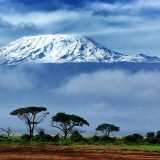
The 4 Days Marangu Route Trek is a challenging mountain adventure to the summit of Mount Kilimanjaro, Africa’s highest free-standing mountain, reaching an elevation of 5,895 metres (19,341 feet) at Uhuru Peak.
The Marangu Route is one of the most established and well-known routes on Kilimanjaro. It is often called the “Coca-Cola Route” and is particularly popular because it offers mountain hut accommodation instead of camping. The route approaches Kilimanjaro from the southeastern side and takes trekkers through several distinct climatic and vegetation zones.
The 4-day program is designed for trekkers seeking a shorter Kilimanjaro experience. However, the compressed schedule makes it physically demanding and provides limited time for acclimatization. The summit attempt is the most challenging part of the trek, requiring an overnight ascent followed by a long descent.
Trek Highlights
-
Summit Mount Kilimanjaro at 5,895 metres.
-
Reach Uhuru Peak, the highest point in Africa.
-
Trek through rainforest, heath and moorland, alpine desert, and the summit zone.
-
Enjoy spectacular views of Mawenzi and Kibo peaks.
-
Stay in mountain huts along the route.
-
Experience a sunrise from the upper slopes of Kilimanjaro.
-
Trek with experienced mountain guides and support crew.
-
Experience the famous “pole pole” approach—walking slowly and steadily to help with altitude acclimatization.
Route Characteristics
The Marangu Route has a well-established trail and relatively gradual approach on the lower sections. Unlike routes such as Machame and Lemosho, accommodation is provided in permanent mountain huts.
The route passes through four major ecological zones:
-
Cultivated and rainforest zone: Lush vegetation and a humid environment at the lower slopes.
-
Heath and moorland: More open landscapes with giant heathers and mountain vegetation.
-
Alpine desert: Dry, rocky terrain with very little vegetation.
-
Arctic/summit zone: Extremely cold conditions, glaciers, rocks, and snow may be encountered around the summit.
Altitude and Acclimatization
Altitude is one of the most important considerations during a Kilimanjaro climb. As the elevation increases, the available oxygen decreases, and the body needs time to adapt.
Possible symptoms of altitude sickness include headache, nausea, dizziness, tiredness, and loss of appetite. Trekkers should immediately inform their guide if they experience concerning symptoms.
Walking slowly, drinking sufficient water, eating properly, getting adequate rest, and following the guide’s instructions are important throughout the climb.
Because the 4-day itinerary offers limited acclimatization, trekkers should understand that it is more demanding than longer Kilimanjaro programs.
Fitness and Preparation
Good preparation can significantly improve the trekking experience. Trekkers should ideally begin training well before their departure.
Recommended preparation includes:
-
Regular long-distance walking
-
Hiking on hills or mountains
-
Stair climbing
-
Cardiovascular training
-
Leg and core strengthening
-
Longer weekend hikes
-
Practice walking with a daypack
The goal is to build endurance rather than simply speed. Kilimanjaro trekking is generally done at a slow and steady pace.
Guides and Support Crew
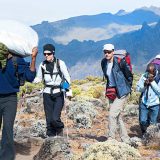
A professional trekking team normally accompanies climbers on the Marangu Route. Depending on the trekking company and group size, the team may include a lead guide, assistant guides, cooks, and porters.
The guide leads the group, monitors the condition of trekkers, provides information about the mountain, and helps manage altitude-related concerns.
Porters assist with carrying group a priority throughout the climb, particularly at high altitude. Weather conditions can change quickly, and temperatures around the summit equipment and supplies, while trekkers generally carry only the items they need during the day’s hike.
Best Time for the Trek
Kilimanjaro can be climbed throughout the year, but the drier months are generally preferred because trails tend to be less wet and visibility can be better.
The commonly preferred periods are:
-
January to March: Generally dry and colder, with possible snow around the summit.
-
June to October: Generally dry and popular for trekking.
-
November to December: Short rains may occur.
-
April to May: Usually associated with the long-rain season and wetter conditions.
Mountain weather is unpredictable, so trekkers should be prepared for rain and cold conditions regardless of the season.
Why Choose the Marangu Route?
The Marangu Route is particularly suited to trekkers who prefer:
-
Hut accommodation rather than tent camping
-
A well-established trekking trail
-
A shorter approach to the mountain
-
A classic Kilimanjaro trekking experience
-
Access to permanent mountain huts
However, the 4-day duration is highly compressed, particularly for a mountain reaching nearly 6,000 metres. Longer versions of the Marangu Route allow additional acclimatization and generally provide a less rushed mountain experience.
Book this Tour with Kilinge Adventures
Apart from this, you may read and write some reviews for us from Safari Bookings.
Also, you may read and write reviews for us from TripAdvisor
- Day 1
- Day 1
- Day 2
- Day 3
- Day 4
Marangu Gate – Mandara Hut
Begin trekking at Marangu Gate, ascending gently through lush rainforest. Overnight at Mandara Hut, with meals provided.
Marangu Gate to Mandara Hut
Your Kilimanjaro adventure begins with a transfer from Moshi to Marangu Gate, where you will complete registration and park formalities. From the gate, the trek begins through the lush montane rainforest.
The trail is relatively gentle, with beautiful vegetation and the possibility of seeing birds and other wildlife. After several hours of hiking, you will arrive at Mandara Hut, where you will have dinner and spend the night.
-
Distance: Approximately 8 km
-
Trekking time: 3–4 hours
-
Starting elevation: 1,860 m
-
Mandara Hut: 2,700 m
-
Habitat: Montane rainforest
-
Overnight: Mandara Hut
Mandara Hut to Horombo Hut
After breakfast, continue the ascent through the upper rainforest before entering the heath and moorland zone. The landscape gradually becomes more open, offering impressive views of the surrounding mountain slopes.
As you approach Horombo Hut, you may enjoy views of Mawenzi Peak and Kibo Peak. Upon arrival, settle into the hut, enjoy dinner, and rest for the next stage of the climb.
-
Distance: Approximately 11 km
-
Trekking time: 5–7 hours
-
Starting elevation: 2,700 m
-
Horombo Hut: 3,720 m
-
Habitat: Heath and moorland
-
Overnight: Horombo Hut
Horombo Hut to Kibo Hut
After an early breakfast, continue toward Kibo Hut. The trail crosses the broad alpine area known as the Saddle, located between Mawenzi and Kibo peaks.
The vegetation becomes increasingly sparse as you enter the alpine desert. The final approach to Kibo Hut can be challenging due to the increasing altitude. After reaching the hut, you will have an early dinner and rest in preparation for the midnight summit attempt.
-
Distance: Approximately 9–10 km
-
Trekking time: 5–7 hours
-
Starting elevation: 3,720 m
-
Kibo Hut: 4,700 m
-
Habitat: Alpine desert
-
Overnight: Kibo Hut
Kibo Hut to Uhuru Peak and Descent
The summit attempt begins around midnight. After a light snack, begin the challenging ascent in darkness toward the crater rim. The climb is slow and steady, with several steep sections and loose scree.
Continue toward Gilman's Point and then along the crater rim toward Stella Point before proceeding to Uhuru Peak, at approximately 5,895 m, the highest point in Africa.
After reaching the summit, take time to enjoy the spectacular views and celebrate your achievement before beginning the descent. Descend to Kibo Hut for a short rest before continuing toward the lower slopes. Depending on the trekking operator's arrangement, the day may finish at Horombo Hut or Marangu Gate.
-
Starting elevation: 4,700 m
-
Uhuru Peak: 5,895 m
-
Summit ascent: Approximately 6–8 hours
-
Descent: Several additional hours
-
Habitat: Alpine desert and summit zone
-
Final destination: Horombo Hut / Marangu Gate, depending on the operator