- Trip Overview
- Similar Tours
What's included
- Professionally guided tour
- Visa arrangements
Fascinating Facts About Hiking Mount Kilimanjaro: What Every Trekker Should Know

Mount Kilimanjaro, Africa’s highest peak, is more than just a mountain—it’s a majestic symbol of adventure, endurance, and natural beauty. Rising 5,895 meters (19,341 feet) above sea level, this dormant stratovolcano attracts climbers from around the world every year. Whether you’re planning your first trek or dreaming of future climbs, here are some captivating facts about Kilimanjaro hiking that make this journey truly unique.
Book this Tour with Kilinge Adventure
1. No Technical Climbing Skills Required
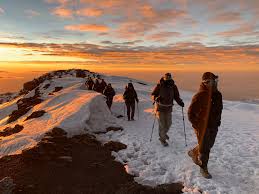
Unlike other famous summits such as Everest or the Alps, climbing Kilimanjaro doesn’t require ropes, ice axes, or technical climbing gear. Most routes are long trekking trails that anyone with good fitness and determination can conquer. That’s why Kilimanjaro is often called “The Roof of Africa for Everyone.”
2. Seven Official Routes to the Summit
Kilimanjaro offers multiple routes to the top, each with its own scenery, difficulty level, and success rate. The most popular include:
-
Marangu Route (Coca-Cola Route): The only route with huts.
-
Machame Route (Whiskey Route): Known for its scenic views.
-
Lemosho Route: Great for acclimatization and panoramic landscapes.
- Rongai, Shira, Northern Circuit, and Umbwe routes also offer different levels of solitude and challenge.
-
e

3. You’ll Hike Through 5 Distinct Climate Zones
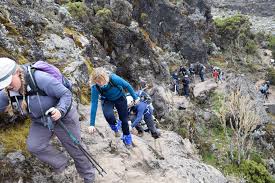
One of the most amazing facts about Kilimanjaro is the range of ecosystems you’ll encounter on the way up. Trekkers experience:
-
Cultivation Zone (farmlands),
-
Rainforest Zone (lush and humid),
-
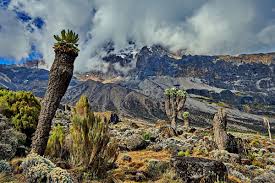
Moorland Zone (cool and dry),
-
Alpine Desert (dry and barren),
-
and finally, the Arctic Summit Zone (icy and freezing).
It’s like walking from the equator to the North Pole in less than a week!
4. Altitude Sickness is the Main Challenge
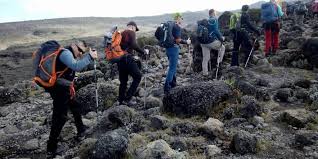
The biggest obstacle to reaching Uhuru Peak isn’t the terrain—it’s the altitude. Acute Mountain Sickness (AMS) can affect anyone, regardless of age or fitness level. That’s why acclimatization days, slow ascents, and staying hydrated are key to a successful summit.
5. The Success Rate Varies by Route and Duration
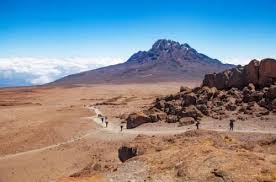
Shorter routes like Marangu (5–6 days) have lower summit success rates (around 50–60%), while longer routes like Lemosho or Northern Circuit (7–9 days) boast summit success rates of over 90%, thanks to better acclimatization.
6. Kilimanjaro is a UNESCO World Heritage Site
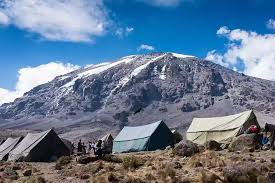
In 1987, Mount Kilimanjaro National Park was designated a UNESCO World Heritage Site for its exceptional natural beauty and ecological significance. The mountain is home to unique flora and fauna, including rare plant species and wildlife like colobus monkeys and blue monkeys.
7. Porters Make the Climb Possible
Climbing Kilimanjaro wouldn’t be possible without the incredible support of local porters, who carry gear, set up camp, and often hike faster than anyone else. Ethical tour operators work with organizations like KPAP (Kilimanjaro Porters Assistance Project) to ensure fair wages and treatment.
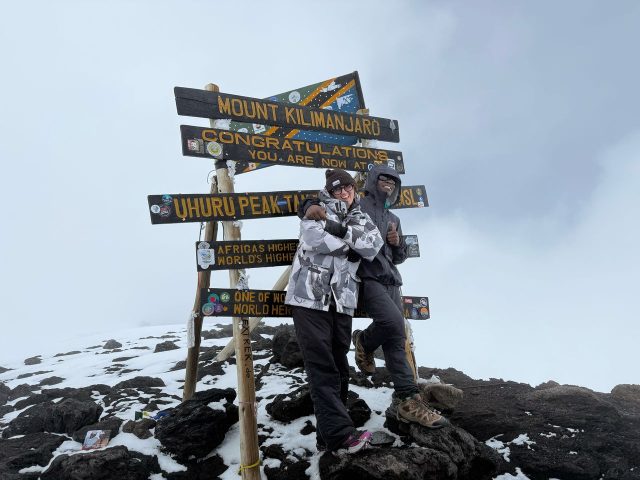
8. The Summit is Called Uhuru Peak
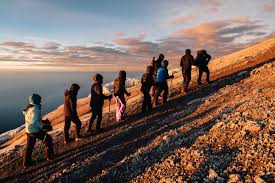
The highest point on Mount Kilimanjaro is Uhuru Peak, which means “freedom” in Swahili. It sits atop the Kibo cone, the highest of the three volcanic cones (the others are Mawenzi and Shira).
9. It’s One of the World’s Seven Summits
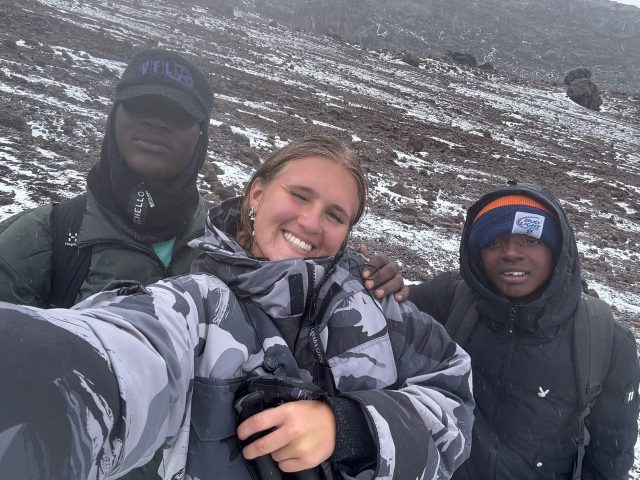
Mount Kilimanjaro is one of the Seven Summits — the tallest mountains on each continent. It’s considered the most accessible of the seven, making it a popular choice for climbers looking to check a major peak off their bucket list.
10. The Best Time to Climb is During Dry Seasons
The ideal months to hike Kilimanjaro are:
-
January to early March (warmer and clearer)
-
June to October (dry and cool)
Avoid the rainy seasons (April–May and November), as trails can get slippery and visibility can be poor.
Final Thoughts
Hiking Mount Kilimanjaro is more than just a physical journey—it’s a transformative experience that challenges your mind, body, and spirit. From the first step through the rainforest to the final push to Uhuru Peak, Kilimanjaro offers awe-inspiring landscapes, rich biodiversity, and a deep sense of accomplishment.