- Trip Overview
- Similar Tours
What's included
- Professionally guided tour
- Visa arrangements
Conquering Kilimanjaro’s Lava Tower: A Key Milestone on Your Climb

Climbing Mount Kilimanjaro is more than just reaching the summit — it’s a journey through diverse landscapes, unique ecological zones, and dramatic geological features. One of the most iconic and essential acclimatization points along the way is the Lava Tower — a towering volcanic rock formation rising proudly from the alpine desert. Lava is semi camp that is a station before arriving at Baranko Camp.
Book this Tour with Kilinge Adventures
What is the Lava Tower?
The Lava Tower, standing at 4,630 meters (15,190 feet), is a massive volcanic plug formed from solidified lava after Kilimanjaro’s last major eruption. It stands like a sentinel in the barren alpine desert, surrounded by scattered rocks and rugged terrain. This monolithic formation is a popular acclimatization point and a dramatic stopover on most Kilimanjaro routes — particularly the Lemosho, Machame, and Shira routes.
Why Do Climbers Visit Lava Tower?
Most climbers don’t summit the Lava Tower itself (though some adventurous trekkers and climbers scramble to the base or slightly up its sides), but the hike to and from it plays a critical role in acclimatization. Known for the principle “climb high, sleep low,” the journey helps your body adjust to higher altitudes.
Here’s how it works:
-
You ascend to the high-altitude Lava Tower during the day.
-
Then, you descend to a lower elevation camp (usually Barranco Camp or Shira Two Camp) to sleep.
-
This up-and-down process enhances your body’s ability to adapt to altitude, reducing the risk of altitude sickness.
marangu
What the Hike is Like
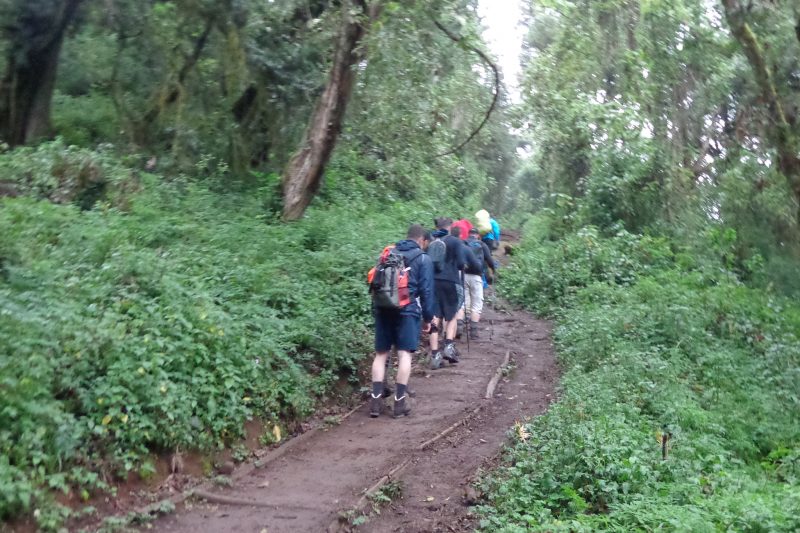
Depending on your chosen route, your trek to Lava Tower begins in the moorland or alpine heath zones. As you ascend, the scenery transforms dramatically:
-
Grassy slopes fade away.
-
The air becomes cooler and drier.
-
The vegetation thins, replaced by lichen-covered rocks and occasional tufts of high-altitude grass.
By the time you reach the Lava Tower, you’re in the alpine desert zone — a hauntingly beautiful, almost lunar landscape. The skies are wide and open, and the silence is profound. It’s common to feel the effects of the altitude here: breathlessness, fatigue, and mild headaches. That’s why taking your time and staying hydrated is essential.
Lunch Break with a View
Many tours pause for lunch at the Lava Tower area. Sitting in the shadow of this dramatic rock formation, surrounded by fellow trekkers, you’ll enjoy a warm meal while soaking in the views — and perhaps marveling at how far you’ve already climbed.
On clear days, you can look back toward the Shira Plateau or forward to the looming ice-capped summit of Kibo, your final goal.
Descent to Camp
After reaching the Lava Tower, you’ll typically begin your descent toward camp for the night. The route down often passes through beautiful valleys filled with giant groundsels and lobelias, especially if heading toward Barranco Camp. This part of the trek offers some of the most surreal landscapes on the mountain.
Quick Facts about Lava Tower
-
Elevation: 4,630 m (15,190 ft)
-
Zone: Alpine Desert
-
Routes that visit it: Lemosho, Machame, Shira
-
Purpose: Acclimatization point (climb high, sleep low)
-
Optional Climb: The rock tower itself is technical and requires gear — not part of the standard trekking itinerary.
Final Thoughts
Visiting the Lava Tower is often a psychological turning point on your Kilimanjaro journey. It reminds you of the mountain’s raw volcanic history and your physical resilience. Though it’s not the summit, standing beside this massive monolith at over 4,600 meters is an achievement in itself.
For many trekkers, the Lava Tower day is challenging — but it’s also a day that builds confidence, strengthens altitude adaptation, and deepens your connection with this majestic mountain.