- Trip Overview
- Similar Tours
What's included
- Professionally guided tour
- Visa arrangements
Exploring the Alpine Desert Zone on Mount Kilimanjaro: A Landscape Like No Other

1. What Is the Alpine Desert Zone?
The Alpine Desert Zone gets its name from its high elevation and arid climate. Though it might sound contradictory—alpine and desert—the term accurately reflects the dry, cold conditions found here. Rainfall is scarce, temperatures vary widely between day and night, and plant and animal life is minimal due to the extreme conditions.
The landscape is defined by:
-
Barren rocky fields
-
Scattered volcanic boulders
-
Loose scree and ash
-
Occasional patches of hardy alpine grasses and lichens
This stark terrain offers panoramic views of the summit above and the cloud forest below. It’s harsh but beautiful, and every step through this zone feels like walking on another planet.
2. Climate Conditions in the Alpine Desert
In this zone, temperatures can swing drastically—from blazing sun in the daytime to freezing temperatures at night. The air becomes thinner and oxygen levels drop, which is why this section of the climb is often slower-paced to aid with acclimatization.
Due to the high altitude and minimal atmosphere to filter UV rays, sun protection is essential—think high-SPF sunscreen, sunglasses, lip balm, and long sleeves.
3. Life in the Alpine Desert: Flora and Fauna
While life is scarce, it’s not completely absent. Some alpine plants like mosses, lichens, and everlasting flowers can survive here, hugging the ground for warmth and moisture. Occasional sightings of ravens or insects may also occur, but don’t expect wildlife like you see in the lower zones.
This zone is more about the rawness of nature—volcanic remnants, jagged rocks, and dramatic vistas that speak to the powerful geological history of the mountain.
4. Trekking Through the Alpine Desert
On most Kilimanjaro routes—such as the Lemosho, Machame, Rongai, and Northern Circuit—you’ll enter the Alpine Desert around day 3 to 5, depending on your itinerary. Key landmarks within this zone include:
-
Lava Tower (4,630 m) – a popular acclimatization point
-
Moir Hut (4,200 m) – a scenic and quiet camp on the Northern Circuit
-
The Saddle – a vast, flat expanse between Kibo and Mawenzi peaks
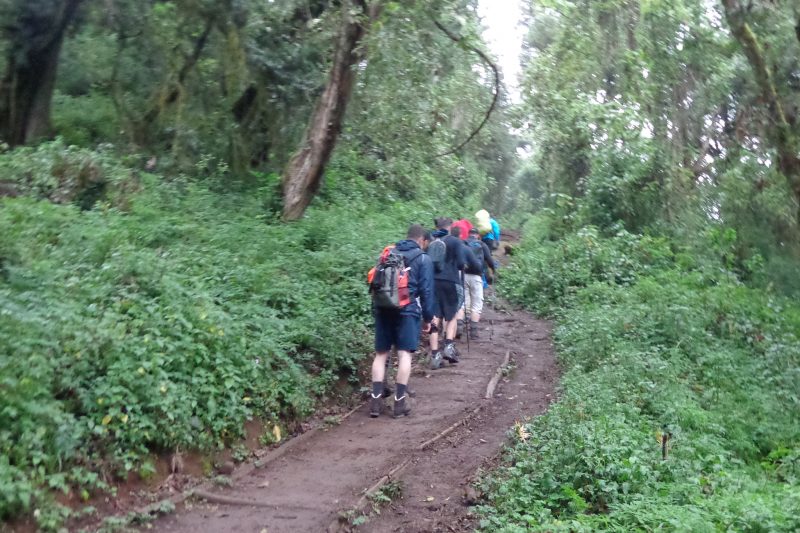
Hiking here is mentally and physically demanding due to the exposure, wind, and elevation. But it’s also one of the most visually captivating parts of the journey.

5. Why the Alpine Desert Matters
The Alpine Desert Zone plays a crucial role in the acclimatization process. Many treks incorporate the “climb high, sleep low” method in this zone, helping trekkers gradually adjust to altitude and reduce the risk of altitude sickness before entering the Arctic Zone.
It also offers a profound moment of reflection. Stripped of vegetation and noise, surrounded by silence and stone, trekkers often describe a deep sense of solitude and awe in this zone.
6. Final Thoughts
The Alpine Desert on Mount Kilimanjaro is a surreal and unforgettable part of the climb. It challenges your body with its altitude and your mind with its vast emptiness. Yet, it also inspires with its stark beauty and the promise of the summit above.