- Trip Overview
- Similar Tours
What's included
- Professionally guided tour
- Visa arrangements
Discovering the Kilimanjaro Climate Zones: From Lush Rainforest to Arctic Summit
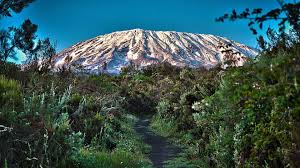
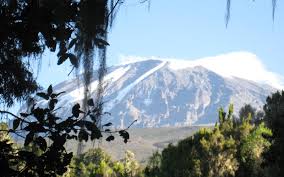
Mount Kilimanjaro isn’t just the tallest mountain in Africa—it’s a journey through five distinct climate zones, each with its own unique ecosystem, temperature, and landscape. Climbing Kilimanjaro is like traveling from the equator to the North Pole in just a few days. Let’s explore the incredible Kilimanjaro climate zones and what you can expect in each one.
Book this Tour with Kilinge Adventures
Apart from this, you may read and write some reviews for us from Safari Bookings.
Cultivation Zone (800 – 1,800 meters)
Your adventure begins in the cultivation zone, located at the base of the mountain. This area is rich in volcanic soil and lush greenery, thanks to the steady rainfall it receives. The Chagga people, who inhabit this region, grow coffee, bananas, and maize here.
Highlights:
- Local villages and farms
- Cultural experiences with the Chagga tribe
- Warm and humid temperatures
Rainforest Zone (1,800 – 2,800 meters)
As you ascend, you’ll enter the thick rainforest belt, home to towering trees, moss-covered trunks, and an array of wildlife like monkeys, birds, and butterflies. This zone receives the most rainfall and can be slippery and misty.
What to Expect:
- Dense vegetation and rich biodiversity
- Possible encounters with blue monkeys and colobus monkeys
- Cool, humid conditions and frequent showers
Moorland Zone (2,800 – 4,000 meters)
Emerging from the forest, you’ll enter the moorland, a high-altitude zone with fewer trees and more open landscapes. The air becomes thinner and drier, and temperatures begin to fluctuate significantly between day and night.
Key Features:
- Giant groundsels and lobelias (strange and beautiful plants)
- Scenic views of the mountain and clouds below
- Sunny days and cold nights
Alpine Desert Zone (4,000 – 5,000 meters)
This barren, rocky zone looks like the surface of another planet. With low humidity, strong sun during the day, and freezing temperatures at night, the alpine desert is both beautiful and challenging.
Highlights:
- Stark, dramatic landscapes
- Very little vegetation or wildlife
- Thin, dry air and extreme temperature swings
Arctic Zone (Above 5,000 meters)
Welcome to the summit zone — a harsh, glacial environment with little to no life. Oxygen levels are at their lowest, temperatures are well below freezing, and the terrain is icy and steep. This final push to Uhuru Peak is the most demanding yet most rewarding part of the climb.
Experience:
- Ice fields and glaciers
- Bone-chilling cold and intense wind
- Epic sunrise at the Roof of Africa 🌄
Final Thoughts
Understanding the Kilimanjaro climate zones helps you prepare mentally and physically for the trek. Each zone brings its own adventure and beauty, making the climb not just a physical challenge, but a sensory journey through some of the most diverse environments on Earth.
Planning to climb Kilimanjaro? Choose a route and pace that gives your body time to acclimatize as you experience all five zones. With the right guide and preparation, you’ll go from the rainforest floor to the glacial summit in one epic adventure!