- Trip Overview
What's included
- Professionally guided tour
- Visa arrangements
Great Migration Dates Tanzania – Guide by Month
Explore the Great Migration dates in Tanzania month-by-month. Learn where the herds are, when river crossings happen, and how to plan your perfect migration safari.
🦓 What is the Great Migration in Tanzania?
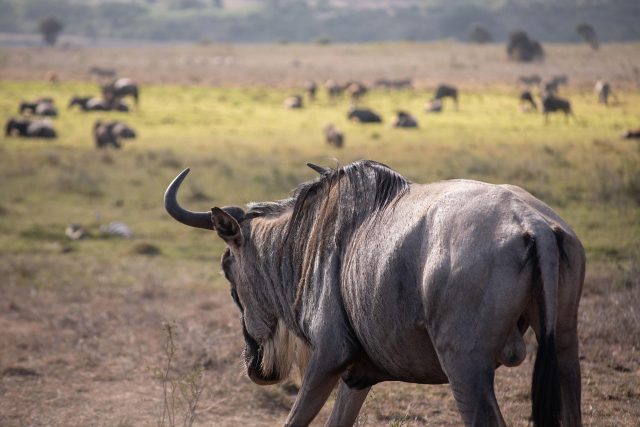
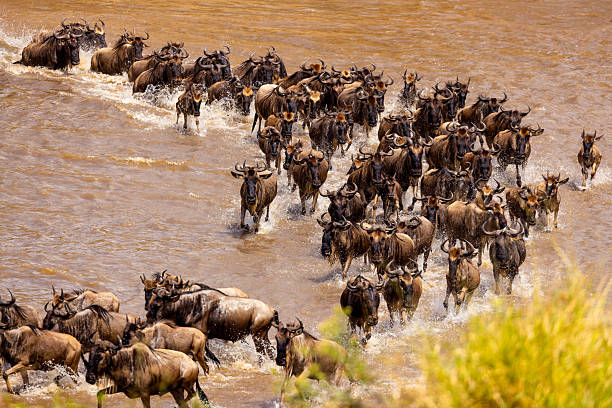
The Great Wildebeest Migration is an annual movement of over 2 million wildebeest, zebras, and gazelles across the Serengeti-Mara ecosystem. It’s a circular journey driven by rainfall and grass availability, covering roughly 1,000 km each year.
Tanzania hosts 80–90% of the entire migration cycle, making it the best place on Earth to witness this phenomenon.
Book this Tour with Kilinge Adventures
Apart from this, you may read and write some reviews for us from Safari Bookings.
Month-by-Month: Great Migration Dates and Locations
| Month | Migration Location | What to Expect |
|---|---|---|
| January | Southern Serengeti (Ndutu) | Herds settle in Ndutu; calving begins |
| February | Ndutu / Southern Serengeti | Peak calving season; thousands of births daily |
| March | Southern to Central Serengeti | Herds begin moving north; predator-prey interactions high |
| April | Central Serengeti (Seronera) | Long rains; herds scattered and migrating northward |
| May | Western Corridor (Grumeti) | Herds moving west; lush plains; early crossings possible |
| June | Grumeti River area | Grumeti River crossings; predators gather near riverbanks |
| July | Northern Serengeti (Kogatende/Lamai) | Mara River crossings start; iconic drama unfolds |
| August | Northern Serengeti | Peak Mara River crossing season; dramatic predator scenes |
| September | Northern Serengeti | Crossings continue; herds start preparing to return south |
| October | Central Serengeti | Herds spread out and start moving down |
| November | East & Central Serengeti | Short rains; herds moving toward Ndutu |
| December | Southern Serengeti / Ndutu | Herds arrive in Ndutu for the calving cycle to begin again |
🗺️ Key Migration Zones in Tanzania
-
Ndutu (Southern Serengeti) – January to March (calving)
-
Western Corridor (Grumeti) – May to June (lesser-known river crossings)
-
Northern Serengeti (Kogatende, Lamai) – July to September (Mara River crossings)
-
Central Serengeti (Seronera) – Transition area, April, October
-
Eastern Serengeti – Short rains area, November
🎯 Best Times to Witness Key Events
| Event | Best Months | Location |
|---|---|---|
| Calving Season | January – February | Ndutu area, Southern Serengeti |
| Predator Action | Jan–Feb & June–Sept | Ndutu & Northern Serengeti |
| Grumeti River Crossings | May – June | Western Serengeti |
| Mara River Crossings | July – September | Northern Serengeti (Kogatende) |
| Herd Return South | October – November | Central to Southern Serengeti |
🔍 Why Migration Dates Vary Slightly Each Year
The Great Migration is not on a fixed calendar. It is influenced by:
-
Rainfall patterns
-
Grass growth
-
Water availability
Each year, migration dates can shift by 1–3 weeks depending on climatic changes. Therefore, it’s best to:
-
Monitor wildlife reports
-
Book mobile camps that move with the herds
-
Consult local safari experts when planning
🏕️ Mobile Camps That Follow the Herds
Some tented camps shift locations throughout the year to offer front-row seats to the herds. Examples:
-
Serengeti Safari Camp (Nomad Tanzania)
-
Lemala Mobile Camps
-
Asilia’s Ubuntu Camp
📌 Tips for Planning Around Migration Dates
-
Book early for July–September (Mara crossings are high-demand).
-
Travel in January–March for a dramatic calving experience.
-
Consider Western Serengeti in May–June to avoid crowds but still witness action.
-
Work with tour operators who track the herds in real-time.