- Trip Overview
What's included
- Professionally guided tour
- Visa arrangements
Introduction: Why Choose a Tanzania Dry Season Safari?
The dry season in Tanzania, running from June to October, is the most popular time to go on safari — and for good reason. With clear skies, little to no rain, thinner vegetation, and abundant wildlife around water sources, it’s the ideal time for classic game drives and unforgettable photo opportunities.
Whether you’re chasing the Great Wildebeest Migration, tracking the Big Five, or just soaking in epic savannah landscapes, the dry season delivers top-tier safari experiences.
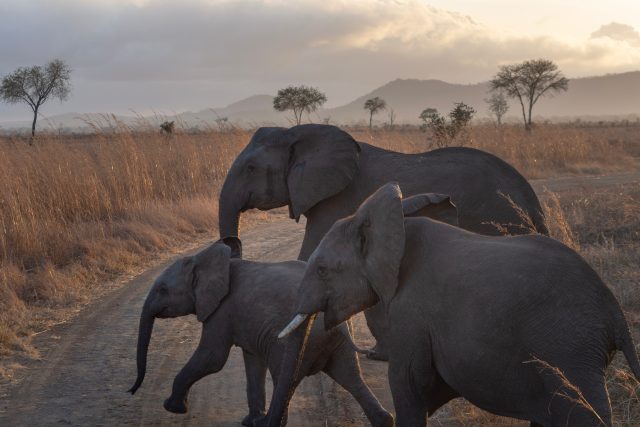

Book this Tour with Kilinge Adventures
Apart from this, you may read and write some reviews for us from Safari Bookings.
When is the Dry Season in Tanzania?
| Month | Season Details |
|---|---|
| June – July | Start of dry season, cooler mornings, lush fading greenery |
| August – October | Peak dryness, best wildlife concentration, perfect weather |
☀️ June to October is also the peak tourism season, so booking in advance is essential for popular parks and lodges.
Benefits of Going on Safari During the Dry Season
✅ Best Wildlife Visibility
Dry grasses and sparse vegetation make it easier to spot animals, especially large predators like lions, cheetahs, and leopards.
✅ Animals Gather Around Waterholes
In the absence of widespread water, wildlife congregates at rivers and waterholes, offering dramatic sightings and predator-prey interactions.
✅ Comfortable Weather
With sunny days and cool nights, the climate is ideal for game drives and bush walks without heat exhaustion or heavy rain interruptions.
✅ Prime Time for Great Migration Crossings
From July to September, you can witness the dramatic Mara River crossings in the Northern Serengeti — a world-famous wildlife spectacle.
✅ Fewer Mosquitoes
With less standing water, mosquito populations decrease, lowering the risk of malaria during this time.
Best National Parks to Visit in the Dry Season
🦁 Serengeti National Park
-
Perfect for Great Migration viewing
-
High chances of predator sightings
-
Mara River crossings (July–Sept)
🦏 Ngorongoro Crater
-
Excellent Big Five sightings year-round
-
Very popular in dry season due to clear views and high wildlife density
🐘 Tarangire National Park
-
Famous for huge elephant herds
-
Animals cluster around the Tarangire River
-
Birding remains strong
🐅 Ruaha National Park
-
One of Africa’s best-kept safari secrets
-
Remote, wild, and full of predators
-
Best visited in dry months for accessibility
🐊 Nyerere National Park (Selous)
-
Great for boat safaris and predator tracking
-
Scenic with less crowding than northern parks
-
Best accessed from June to October
What to Expect During a Tanzania Dry Season Safari
-
Busy parks: Especially Serengeti, Ngorongoro, and Tarangire — early bookings are essential
-
High prices: This is peak season, so luxury lodges and fly-in safaris may be more expensive
-
Spectacular game viewing: The wildlife is abundant and active
-
Clear skies: Ideal for stargazing and beautiful sunrise/sunset game drives
Packing Tips for Dry Season Safari
-
Lightweight clothing in neutral tones (tan, olive, beige)
-
Warm fleece or jacket for chilly early mornings and nights
-
Sunglasses, wide-brimmed hat, and sunscreen
-
Binoculars for distant wildlife
-
Camera with zoom lens and spare batteries
-
Reusable water bottle for hydration
Who Should Travel During the Dry Season?
-
First-time safari-goers wanting the best wildlife experience
-
Photographers looking for clear light, action scenes, and open landscapes
-
Families and honeymooners who prefer predictable weather
-
Adventure seekers wanting to combine safari with Kilimanjaro or Zanzibar
Booking Tips for the Dry Season
-
Reserve at least 6–12 months in advance for premium lodges, especially for July–September
-
Consider private conservancies or less-visited parks if you want to avoid heavy crowds
-
Combine popular parks (like Serengeti) with remote gems (like Ruaha or Nyerere)