- Trip Overview
What's included
- Professionally guided tour
- Visa arrangements
Tanzania Safari in Rainy Season – A Hidden Gem for Adventurous Travelers
Discover why a Tanzania safari in the rainy season offers lush landscapes, fewer crowds, and unique wildlife encounters. Learn when to go, what to expect, and how to plan it.
Book this Tour with Kilinge Adventures
Apart from this, you may read and write some reviews for us from Safari Bookings.
Overview: Tanzania’s Rainy Season for Safari
Tanzania’s rainy season may not be the most popular time to visit, but it holds underrated safari treasures for travelers seeking a different kind of experience. The country experiences two distinct rainy periods:
-
Long Rains: March to May
-
Short Rains: Late October to early December
While some lodges close during the long rains, parks remain open, and the landscapes are lush, green, and vibrant, creating spectacular backdrops for photography.
Why Consider a Safari During the Rainy Season?
✅ Fewer Tourists
Enjoy a more intimate safari experience without crowds, especially in popular parks like the Serengeti and Ngorongoro Crater.
✅ Lush Scenery
The landscapes transform into emerald-green oases, offering stunning visuals for nature lovers and photographers.
✅ Lower Safari Costs
Many lodges offer discounted rates, making it a great time for budget-conscious travelers or those seeking more value for their money.
✅ Excellent Bird Watching
The rainy season attracts migratory bird species, turning Tanzania into a birder’s paradise.
✅ Calving Season in Southern Serengeti
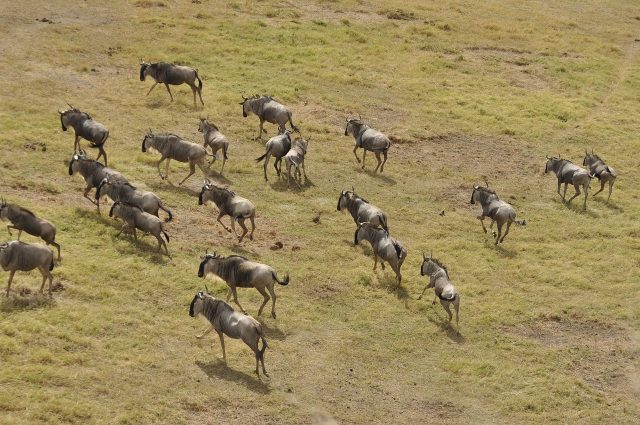
In January to March (short rains and early green season), the Ndutu area hosts wildebeest calving, drawing in predators and creating unforgettable sightings.
Best Parks to Visit During the Rainy Season
1. Ngorongoro Crater
-
Year-round wildlife visibility
-
Green crater floor and dramatic scenery
-
Big Five often spotted in one game drive
2. Southern Serengeti (Ndutu Area)
-
Calving season from Jan to March
-
Predatory action as lions, leopards, and cheetahs take advantage of newborns
3. Tarangire National Park
-
Fewer visitors, especially in the shoulder months
-
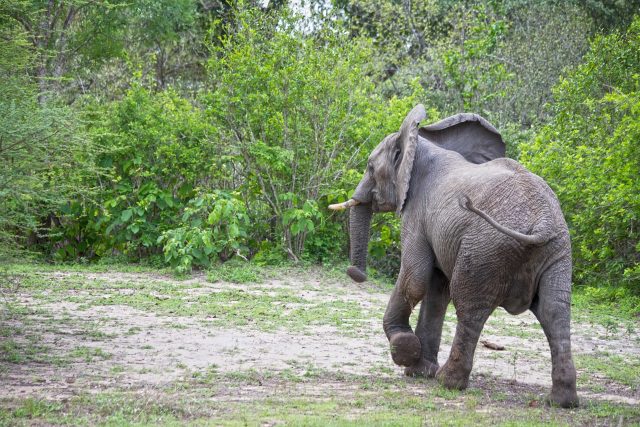
Elephants still roam the swamps and baobab forests
4. Lake Manyara
-
Excellent for birding
-
Lush forest landscape and tree-climbing lions
5. Ruaha & Nyerere (Selous) – best in short rains (Nov/Dec)
-
Wild and less explored
-
Rich in predator-prey interactions
-
Closed or challenging access during peak of long rains (Apr–May)
When Are the Rains in Tanzania?
| Rain Season | Months | Characteristics |
|---|---|---|
| Short Rains | Late Oct – Dec | Light, sporadic showers, mostly in the afternoon |
| Long Rains | March – May | Heavier, persistent rains, especially in April and May |
☔ Note: The rains are usually brief and often occur at night or in the late afternoon, leaving much of the day open for game drives.
Challenges of Safari in the Rainy Season (and How to Overcome Them)
-
Muddy Roads: Use 4×4 vehicles with experienced guides
-
Camp Closures: Travel with tour operators who confirm seasonal accommodations
-
Malaria Risk: Carry mosquito repellent and take recommended prophylactics
-
Less Animal Clustering: Animals may spread out due to abundant water, but skilled guides can still find them
Packing Tips for Rainy Season Safari
-
Lightweight, quick-dry clothing
-
Waterproof jacket or poncho
-
Water-resistant boots or shoes
-
Dry bags for electronics and gear
-
Binoculars and a good zoom camera
-
Insect repellent and sun protection (it can still be sunny!)
Is a Rainy Season Safari Right for You?
This season is ideal if you:
-
Prefer quiet, crowd-free game drives
-
Want to save money on lodges and tours
-
Love green, photogenic landscapes
-
Are interested in birding or the wildebeest calving season
-
Are flexible and adventurous in your travel style