- Trip Overview
- Trip Itinerary
- Similar Tours
BEST KILIMANJARO 5 DAYS UMBWE ROUTE CLIMB
The 5 Days Umbwe Route takes a direct path to the southern glaciers. The Umbwe Option is without question the most difficult and steepest way to the summit of Kilimanjaro. Due to the demanding stages, we recommend this route only for experienced alpinists. The direct route also unfortunately means that there is very little time for acclimatization.
The special feature of this ascent option is mainly in the first stage. On the very first day you will reach the Umbwe Cave Camp at an altitude of almost 3000 meters between high trees. From there it is only a short detour to visit the caves that give the camp its name. On the second hiking day the Umbwe Route merges with the Machame Route at Barranco Camp.
What's included
- All meals included
- Fair wages for the mountain crew as approved by the Kilimanjaro National Park Authority (KINAPA), Kilimanjaro Association of Tour Operators (KIATO)
- Hot water for washing up daily and treated water for drink while climbing.
- Kilimanjaro certificate for your successful summit attempt.
- Medical insurance and emergency insurance
- Medically qualified mountain guides, cooks and porters
- Orientation meeting in Moshi and gear check as well.
- Oxygen Cylinder
- Professionally guided tour
- Twice a day medical health checkup, monitoring with pulse-oximeter and stethoscope with basic first kit
- Unlimited bottled water
- Unlimited mileage game drive
- Alcoholic and soft drinks
- Entry visa for Tanzania
- Laundry Services
- Other International flights
- Personal expenses
- Services not specifically stated in the itinerary
- Tips to guide and driver
- Tips to mountain crew
- Visa arrangements
5 Days Umbwe Route Climb | Kilimanjaro
Experience one of Mount Kilimanjaro’s most demanding and adventurous trekking trails with our 5 Days Umbwe Route Kilimanjaro Climb, a challenging mountain expedition designed for experienced hikers seeking a steep, direct, and rewarding journey toward Africa’s highest summit.
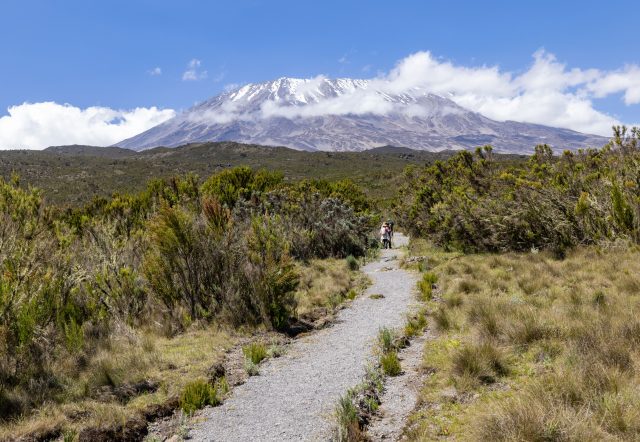
Organized by Kilinge Adventures, this five-day trekking adventure follows the Umbwe Route, a relatively quiet trail approaching Mount Kilimanjaro from the southern side. The route is known for its steep forest paths, dramatic ridgelines, spectacular mountain scenery, and demanding elevation gain.
Unlike Kilimanjaro’s more gradual routes, Umbwe involves a rapid ascent through different ecological zones, beginning in the lush tropical rainforest and progressing toward alpine desert landscapes before reaching the summit area.
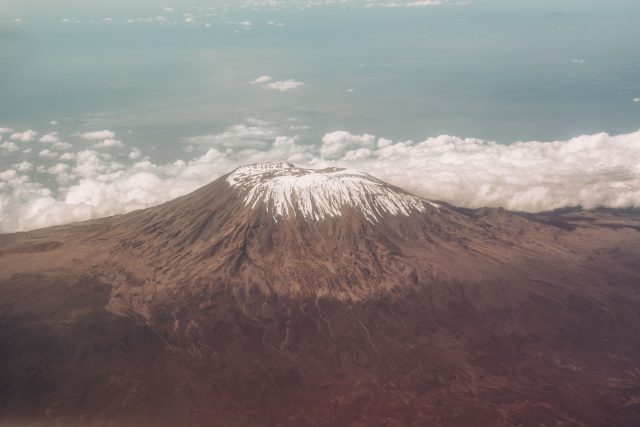
The journey begins at Umbwe Gate, approximately 1,640 meters above sea level, and continues through Umbwe Cave Camp, Barranco Camp, and Barafu Camp before the final ascent to Uhuru Peak at 5,895 meters, the highest point in Africa.
The five-day itinerary is physically demanding because it provides limited time for altitude acclimatization. It is best suited to experienced trekkers who are already well-conditioned and understand the risks associated with rapid altitude gain. Even strong hikers can develop altitude sickness, and a longer itinerary is generally preferable for safer acclimatization.
With experienced mountain guides, organized camping arrangements, and professional trekking support, Kilinge Adventures aims to provide a carefully managed climbing experience focused on preparation, responsible mountain travel, and summit safety.
5 Days Umbwe Route Kilimanjaro Climb – Tour Facts
| Tour Information | Details |
|---|---|
| Tour Name | 5 Days Umbwe Route Kilimanjaro Climb |
| Destination | Mount Kilimanjaro, Tanzania |
| Duration | 5 Days / 4 Nights |
| Starting Point | Umbwe Gate |
| Ending Point | Mweka Gate |
| Starting Altitude | Approximately 1,640 m |
| Highest Point | Uhuru Peak – 5,895 m |
| Route Type | Steep mountain trekking route |
| Difficulty Level | Very challenging |
| Accommodation | Mountain camping tents |
| Main Activities | Hiking, mountain trekking, summit climbing |
| Summit Approach | Via Barafu Camp and Stella Point |
| Descent Route | Mweka Route |
| Recommended For | Experienced, physically prepared trekkers |
| Best Climbing Period | January–early March and June–October |
| Tour Operator | Kilinge Adventures |
Highlights of the 5 Days Umbwe Route Kilimanjaro Climb
-
Challenging Mountain Adventure: Experience one of Kilimanjaro’s steepest and most demanding established trekking routes.
-
Spectacular Rainforest Scenery: Begin your journey through dense tropical forest with beautiful vegetation and mountain wildlife.
-
Dramatic Umbwe Ridge: Enjoy steep ridgelines, rugged terrain, and breathtaking mountain landscapes.
-
Barranco Valley Experience: Discover the dramatic scenery surrounding Barranco Camp and the southern slopes of Kilimanjaro.
-
Barranco Wall Adventure: Climb the famous Barranco Wall, an exciting rocky section requiring careful movement and guidance.
-
Summit Uhuru Peak: Attempt to reach Africa’s highest point at 5,895 meters above sea level.
-
Changing Ecological Zones: Travel through rainforest, heath, moorland, alpine desert, and the summit’s arctic conditions.
-
Professional Mountain Support: Trek with experienced guides and an organized mountain crew.
-
Camping Experience: Spend nights in designated mountain camps surrounded by impressive natural scenery.
Why Choose the Umbwe Route for Kilimanjaro?
The Umbwe Route is an adventurous alternative for trekkers who prefer challenging terrain and a relatively direct approach to Kilimanjaro’s upper slopes.
Its steep gradient and rapid altitude gain distinguish it from more gradual routes such as Marangu, Machame, Rongai, and Lemosho.
| Umbwe Route Feature | What Makes It Special |
|---|---|
| Steep Trails | Provides a physically demanding mountain adventure |
| Quieter Lower Sections | Often receives fewer trekkers than popular routes |
| Scenic Ridgelines | Offers dramatic mountain and forest landscapes |
| Direct Ascent | Gains elevation relatively quickly |
| Barranco Wall | Adds an exciting rocky scrambling section |
| Camping Accommodation | Provides an authentic mountain camping experience |
| Summit Opportunity | Leads toward Uhuru Peak via Barafu and Stella Point |
Important: The five-day Umbwe itinerary prioritizes a short route duration rather than gradual acclimatization. For most climbers, a longer itinerary is the more appropriate choice.
5 Days Umbwe Route Kilimanjaro Climb Itinerary at a Glance
| Day | Trekking Route | Approximate Altitude | Hiking Time | Overnight |
|---|---|---|---|---|
| Day 1 | Umbwe Gate → Umbwe Cave Camp | 1,640 m → 2,850 m | 5–7 hours | Umbwe Cave Camp |
| Day 2 | Umbwe Cave Camp → Barranco Camp | 2,850 m → 3,900 m | 4–6 hours | Barranco Camp |
| Day 3 | Barranco Camp → Barafu Camp via Karanga | 3,900 m → 4,673 m | 7–10 hours | Barafu Camp |
| Day 4 | Barafu Camp → Uhuru Peak → Mweka Camp | 4,673 m → 5,895 m → 3,100 m | 12–16+ hours | Mweka Camp |
| Day 5 | Mweka Camp → Mweka Gate | 3,100 m → 1,640 m | 3–4 hours | End of climb |
Altitudes, distances, and hiking times are approximate. Camp elevations vary between published route descriptions and individual campsite locations.
Umbwe Route Altitude Profile and Acclimatization
Altitude is one of the most important considerations when planning a Kilimanjaro climb.
The five-day Umbwe Route gains elevation quickly, leaving relatively little time for the body to adapt to reduced oxygen availability.
| Trekking Location | Approximate Altitude | Acclimatization Consideration |
|---|---|---|
| Umbwe Gate | 1,640 m | Starting elevation |
| Umbwe Cave Camp | 2,850 m | Significant first-day ascent |
| Barranco Camp | 3,900 m | Increased altitude illness risk |
| Barafu Camp | 4,673 m | Very high sleeping altitude |
| Uhuru Peak | 5,895 m | Extreme altitude exposure |
| Mweka Camp | 3,100 m | Lower altitude after summit descent |
Is Five Days Enough for the Umbwe Route?
Five days is a possible itinerary on the Umbwe Route, but it is not the recommended duration for most climbers.
The route is steep, physically demanding, and involves rapid altitude gain. Because the itinerary does not include a dedicated acclimatization day, the risk of altitude sickness is greater than on longer, more gradual climbs.
A high level of physical fitness does not prevent altitude illness.
For most travelers, a longer Kilimanjaro itinerary with additional acclimatization time is preferable. Climbers considering this short route should discuss their experience, health, and itinerary with a qualified medical professional and their mountain operator.
Difficulty Level of the 5 Days Umbwe Route Kilimanjaro Climb
The Umbwe Route is widely regarded as one of Kilimanjaro’s most challenging established trekking routes.
Its steep trails, demanding elevation gain, and limited acclimatization opportunities make it unsuitable for many beginners.
| Difficulty Factor | Description |
|---|---|
| Trail Steepness | Very steep, especially during the lower ascent |
| Physical Demand | High |
| Acclimatization Time | Very limited |
| Terrain | Forest paths, rocky ridges, scree, and alpine trails |
| Weather Conditions | Can include rain, strong winds, and freezing temperatures |
| Summit Day | Extremely demanding |
| Recommended Experience | Previous challenging hiking experience |
| Overall Difficulty | Very challenging |
Who Should Consider This Route?
The five-day Umbwe Route may appeal to experienced trekkers who are familiar with demanding mountain conditions and have carefully considered the altitude risks.
However, even experienced hikers should not assume that previous trekking experience or excellent fitness guarantees successful acclimatization.
For beginners and travelers without high-altitude experience, a longer and more gradual route is generally the better option.
Best Time for the 5 Days Umbwe Route Kilimanjaro Climb
Mount Kilimanjaro can be climbed throughout the year, but weather conditions vary considerably by season.
The Umbwe Route’s steep forest sections can become particularly slippery during periods of heavy rainfall.
| Climbing Period | Typical Conditions | Recommendation |
|---|---|---|
| January–early March | Often relatively dry, with variable summit conditions | Favorable |
| Late March–May | Long rains, muddy trails, reduced visibility | Less favorable |
| June–October | Generally drier conditions, often cold at higher elevations | Favorable |
| November–December | Short rains and variable trail conditions | More variable |
January to early March and June to October are generally the more favorable climbing periods. However, mountain weather is unpredictable, and snow, strong winds, heavy rain, or freezing temperatures can occur at any time.
Accommodation During the Umbwe Route Climb
Unlike the Marangu Route, which uses mountain huts, the Umbwe Route is a camping-based trekking route.
Climbers spend their nights at designated mountain camps, supported by guides, porters, and other mountain crew members.
| Camping Location | Accommodation | Facilities |
|---|---|---|
| Umbwe Cave Camp | Mountain tents | Basic designated campsite facilities |
| Barranco Camp | Mountain tents | Shared basic campsite facilities |
| Barafu Camp | Mountain tents | Exposed high-altitude campsite |
| Mweka Camp | Mountain tents | Basic designated campsite facilities |
Sleeping tents, sleeping mats, and other equipment depend on the specific services included in the confirmed trekking package. Sleeping bags may need to be brought or rented separately.
What to Pack for the 5 Days Umbwe Route Kilimanjaro Climb
Appropriate mountain equipment is essential because climbers experience changing temperatures, steep trails, rain, wind, and freezing summit conditions.
| Essential Equipment | Purpose |
|---|---|
| Waterproof Hiking Boots | Support and traction on steep terrain |
| Thermal Base Layers | Insulation in cold conditions |
| Insulated Down or Synthetic Jacket | Protection against summit temperatures |
| Waterproof Jacket and Trousers | Protection from rain and wind |
| Warm Gloves and Mittens | Hand protection during summit night |
| Warm Hat and Balaclava | Head and face protection |
| Trekking Poles | Support during steep ascents and descents |
| Headlamp and Spare Batteries | Visibility during nighttime trekking |
| Sleeping Bag Rated for Cold Conditions | Warmth during camping |
| Sunglasses and Sunscreen | Protection from strong sunlight and UV exposure |
| Water Bottles or Hydration System | Carrying sufficient drinking water |
| Personal First-Aid and Medication | Individual health requirements |
Equipment should be checked before departure, particularly footwear, cold-weather clothing, and sleeping arrangements.
Why Choose Kilinge Adventures for Your Umbwe Route Climb?
At Kilinge Adventures, we aim to organize rewarding Kilimanjaro trekking experiences through careful planning, professional mountain support, and responsible climbing practices.
Our approach emphasizes realistic itinerary planning, appropriate equipment, experienced guiding, and attention to climber safety.
What You Can Expect
-
Professional Mountain Guidance: Trek with guides familiar with Kilimanjaro’s trails, changing weather, and altitude challenges.
-
Organized Trekking Arrangements: Receive support with park entry, camping arrangements, meals, and mountain logistics.
-
Mountain Crew Support: Benefit from the assistance of guides, porters, and cooking staff throughout the expedition.
-
Safety-Focused Planning: Discuss altitude risks, route suitability, and emergency procedures before departure.
-
Trekking Equipment Guidance: Receive advice on essential clothing and equipment for mountain conditions.
-
Personalized Climbing Advice: Explore whether the five-day Umbwe itinerary or a longer alternative is more suitable for your experience.
Frequently Asked Questions About the 5 Days Umbwe Route Kilimanjaro Climb
Is the 5 Days Umbwe Route suitable for beginners?
Generally, no. The Umbwe Route is steep and physically demanding, and the five-day itinerary provides limited acclimatization time. A longer and more gradual route is usually more suitable for beginners.
Can I reach Uhuru Peak in five days using the Umbwe Route?
The itinerary includes a summit attempt at Uhuru Peak, but reaching the summit depends on acclimatization, weather, physical condition, and your guide’s safety assessment.
How difficult is the Umbwe Route compared with Machame?
Umbwe is generally steeper and gains altitude more rapidly during its lower stages. Machame usually provides more gradual progression when completed over a longer itinerary.
Does the Umbwe Route have mountain huts?
No. The Umbwe Route uses camping accommodation at designated mountain camps.
What is the highest point of the Umbwe Route climb?
Uhuru Peak, located at 5,895 meters above sea level, is the highest point on Mount Kilimanjaro.
What is the best time to climb the Umbwe Route?
January to early March and June to October are generally favorable periods, although weather conditions can change unexpectedly.
Does the five-day Umbwe Route include an acclimatization day?
No. This itinerary does not include a dedicated acclimatization day, making altitude adaptation particularly challenging.
What happens if I develop altitude sickness?
Your mountain guide should assess your symptoms and follow the operator’s altitude emergency procedures. Suspected serious altitude illness requires prompt descent and medical attention. Continuing upward with worsening symptoms is unsafe.
Can I book a private Umbwe Route climb?
Private trekking arrangements may be available through Kilinge Adventures, depending on dates, staffing, and park requirements.
How much does a five-day Umbwe Route climb cost?
The price depends on group size, travel dates, park fees, equipment arrangements, and included services. Contact Kilinge Adventures for an accurate quotation.
Book Your 5 Days Umbwe Route Kilimanjaro Climb with Kilinge Adventures
Challenge yourself on one of Mount Kilimanjaro’s most adventurous trekking trails with Kilinge Adventures.
From the lush rainforest surrounding Umbwe Gate to the dramatic scenery of Barranco Wall and the extraordinary landscapes near Uhuru Peak, the Umbwe Route offers a demanding and memorable mountain experience.
This five-day expedition is intended for well-prepared trekkers who understand its steep terrain and significant altitude challenges.
Our team can help you review the itinerary, prepare your trekking equipment, and consider whether a longer route would provide a more suitable acclimatization schedule.
Start planning your Kilimanjaro adventure today. Contact Kilinge Adventures to discuss the 5 Days Umbwe Route Kilimanjaro Climb, request a personalized quotation, and choose a trekking itinerary that matches your experience and preparation.
Book this Tour with Kilinge Adventures
Apart from this, you may read and write some reviews for us from Safari Bookings.
Also, you may read and write reviews for us from TripAdvisor
- Day 1
- Day 2
- Day 3
- Day 4
- Day 5
Umbwe Gate to Umbwe Cave Camp
Upon arrival, your mountain guide will assist with park registration, equipment checks, and final preparations before the trek begins.
The first section of the Umbwe Route passes through Kilimanjaro's lush tropical rainforest. This environment is characterized by dense vegetation, towering trees, moss-covered branches, and a humid atmosphere.
As you ascend, the trail becomes increasingly steep, with exposed roots, uneven ground, and demanding uphill sections.
You may hear forest birds and occasionally encounter monkeys or other wildlife inhabiting the lower mountain slopes.
After several hours of climbing, you will reach Umbwe Cave Camp, situated at approximately 2,850 meters above sea level.
Your mountain crew will prepare the camping area, and you will enjoy dinner before resting for the next day's ascent.
Day 1 Trekking Details
| Trekking Information | Details |
|---|---|
| Starting Point | Umbwe Gate |
| Starting Altitude | Approximately 1,640 m |
| Destination | Umbwe Cave Camp |
| Sleeping Altitude | Approximately 2,850 m |
| Hiking Distance | Approximately 9–11 km |
| Hiking Duration | 5–7 hours |
| Vegetation Zone | Tropical rainforest |
| Accommodation | Mountain camping tents |
| Meals | Lunch and dinner |
Umbwe Cave Camp to Barranco Camp
The trail gradually leaves the dense rainforest and enters the heath and moorland zone, where vegetation becomes shorter and the surrounding landscapes more open.
As you climb higher, you will enjoy impressive views of Kilimanjaro's southern slopes, deep valleys, and distant mountain ridgelines.
The route follows rugged terrain that requires steady walking, good balance, and careful attention to footing.
Your guide will encourage a slow and consistent hiking pace to help manage physical exertion and monitor your response to increasing altitude.
As you approach Barranco Camp, the landscape becomes increasingly dramatic, with views of the famous Barranco Wall and the upper mountain.
Upon arrival, settle into your camping accommodation and enjoy a warm meal.
Barranco Camp is located at approximately 3,900 meters, where temperatures can become noticeably colder, particularly after sunset.
Day 2 Trekking Details
| Trekking Information | Details |
|---|---|
| Starting Point | Umbwe Cave Camp |
| Destination | Barranco Camp |
| Starting Altitude | Approximately 2,850 m |
| Sleeping Altitude | Approximately 3,900 m |
| Hiking Distance | Approximately 6 km |
| Hiking Duration | 4–6 hours |
| Vegetation Zone | Heath and moorland |
| Accommodation | Mountain camping tents |
| Meals | Breakfast, lunch and dinner |
Barranco Camp to Barafu Camp via Karanga
After an early breakfast, begin the climb up the famous Barranco Wall, a steep rocky section that requires careful scrambling and the use of hands for balance in certain places.
Although technical rock-climbing equipment is not normally required on the standard trail, the ascent demands concentration, confidence, and careful movement.
Upon reaching the top of Barranco Wall, enjoy spectacular views of the surrounding valleys and Kilimanjaro's upper slopes.
Continue across undulating terrain toward Karanga Valley, descending and climbing again as the trail crosses the mountain's southern circuit.
After passing Karanga Camp, continue ascending toward Barafu Camp.
The landscape gradually transitions into the alpine desert zone, characterized by rocky terrain, sparse vegetation, strong winds, and colder temperatures.
Arrive at Barafu Camp, situated at approximately 4,673 meters above sea level.
Your guide will conduct a summit briefing, explain the nighttime climbing schedule, and check your physical condition.
Enjoy an early meal and rest before beginning the summit attempt later that night.
Day 3 Trekking Details
| Trekking Information | Details |
|---|---|
| Starting Point | Barranco Camp |
| Destination | Barafu Camp |
| Starting Altitude | Approximately 3,900 m |
| Sleeping Altitude | Approximately 4,673 m |
| Hiking Distance | Approximately 8–10 km |
| Hiking Duration | 7–10 hours |
| Major Highlight | Barranco Wall and Karanga Valley |
| Vegetation Zone | Alpine desert |
| Accommodation | Mountain camping tents |
| Meals | Breakfast, lunch and dinner |
Barafu Camp to Uhuru Peak and Descend to Mweka Camp
Your summit attempt normally begins around midnight, depending on weather conditions, group readiness, and your guide's assessment.
After a light meal and final equipment checks, begin ascending toward Stella Point.
The trail is steep and demanding, passing over loose volcanic scree and rocky terrain.
Temperatures can fall well below freezing, and climbers may experience strong winds, fatigue, and the effects of high altitude.
Your mountain guide will maintain a slow, controlled pace and monitor your physical condition throughout the ascent.
After several hours, you may reach Stella Point at approximately 5,756 meters, located on the crater rim.
From Stella Point, continue along the crater rim toward Uhuru Peak, the highest point on Mount Kilimanjaro and the African continent.
At 5,895 meters, Uhuru Peak offers an extraordinary sense of achievement and impressive views of the surrounding high-altitude landscape.
If conditions allow and your guide determines it is safe, you will have a brief opportunity to take photographs before beginning the descent.
Descend toward Barafu Camp, where you will rest briefly and have a meal before continuing down to Mweka Camp.
The long descent can be physically demanding, particularly after the exhausting summit ascent.
Arrive at Mweka Camp for dinner and overnight rest.
Day 4 Trekking Details
| Trekking Information | Details |
|---|---|
| Starting Point | Barafu Camp |
| Summit Destination | Uhuru Peak |
| Ending Point | Mweka Camp |
| Starting Altitude | Approximately 4,673 m |
| Summit Altitude | 5,895 m |
| Sleeping Altitude | Approximately 3,100 m |
| Total Hiking Distance | Approximately 16–18 km |
| Hiking Duration | 12–16+ hours |
| Vegetation Zones | Arctic summit conditions and alpine descent |
| Accommodation | Mountain camping tents |
| Meals | Breakfast, lunch and dinner |
Mweka Camp to Mweka Gate
The trail passes through lush vegetation, towering trees, and a peaceful forest environment.
As you descend to lower elevations, temperatures generally become warmer and the air becomes richer in oxygen.
The final section of the trail may be muddy or slippery, particularly during the rainy season, so careful footing is important.
After several hours of walking, arrive at Mweka Gate, where your guide will assist with the necessary park exit procedures.
Eligible climbers who have successfully reached recognized summit points can receive the applicable climbing certificates according to park procedures.
You will then meet your transfer vehicle for the journey back to Moshi or Arusha.
Your five-day Kilimanjaro trekking adventure concludes with a drop-off at your hotel or another agreed location.
Day 5 Trekking Details
| Trekking Information | Details |
|---|---|
| Starting Point | Mweka Camp |
| Destination | Mweka Gate |
| Starting Altitude | Approximately 3,100 m |
| Ending Altitude | Approximately 1,640 m |
| Hiking Distance | Approximately 10 km |
| Hiking Duration | 3–4 hours |
| Vegetation Zone | Tropical rainforest |
| Main Activity | Final descent and park exit |
| Meals | Breakfast and lunch |