- Trip Overview
- Trip Itinerary
- Similar Tours
EXPERIENCE 7 DAYS SERENGETI WILDEBEEST MIGRATION SAFARI
A 7 Days Serengeti Wildebeest Migration Safari is one of the most unforgettable wildlife experiences in Tanzania. This safari gives travelers enough time to explore the famous Serengeti National Park, follow the movement of the wildebeest migration, visit Ngorongoro Crater, and enjoy the beauty of Tanzania’s northern safari circuit. With Kilinge Adventures, your 7 days Tanzania safari is carefully planned for wildlife viewing, comfort, safety, and excellent guiding. Whether you are a couple, family, solo traveler, photographer, or group of friends, this safari offers a powerful combination of adventure, scenery, and world-class wildlife.
What's included
- Airport pick up and drop off
- All meals included
- All mentioned activities
- All park entrances fees
- Flying Doctors insurance (AMREF) during the safari for emergence evacuations
- Overnight stays in Luxury Lodges, Tented Camps OR Budget Camping Area
- Private Jeep 4×4 equipped with refrigerator, portable charging stations and pop-up roof
- Professionally guided tour
- Unlimited bottled water
- Unlimited mileage game drive
- Alcoholic and soft drinks
- Entry visa for Tanzania
- Government imposed increase of taxes and /or park fees
- Immunization documents (yellow fever recommended for visa processing on arrivals)
- Laundry Services
- Medical insurance and emergency insurance
- Other International flights
- Personal expenses
- Services not specifically stated in the itinerary
- Tips to guide and driver
- Visa arrangements
Best 7 Days Serengeti Wildebeest Migration Safari 2026/2027
Explore Tanzania’s remarkable wildlife landscapes on a 7 Days Serengeti Wildebeest Migration Safari 2026/2027 with Kilinge Adventures. This journey combines time in the Central Serengeti with extended game drives in the seasonal migration area, followed by a visit to the Ngorongoro Crater.
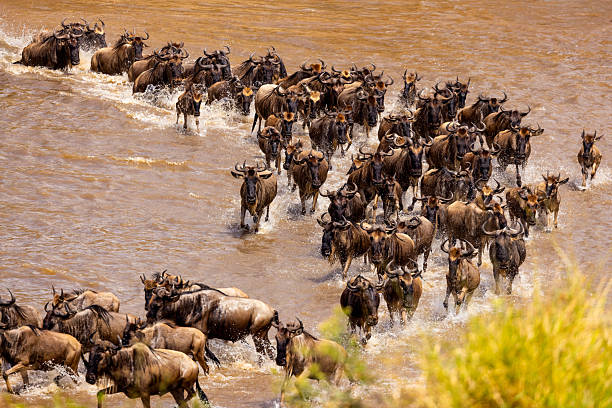
The Great Migration is a continuous movement of wildebeest, accompanied by zebras and other grazing animals, through the Serengeti–Mara ecosystem. Their movements follow changing rainfall and grazing conditions, creating different wildlife experiences throughout the year. Tanzania National Parks recognises this migration as one of the country’s outstanding natural attractions.
The best safari begins with choosing the right location for your travel dates. Southern plains and Ndutu departures focus on grazing herds and the calving period, while northern itineraries concentrate on the landscapes around Kogatende and the Mara River during the usual crossing season.
The itinerary below is a northern Serengeti example, generally suited to July–October travel. For other months, the migration section should be relocated rather than following the same route regardless of where the animals are.
Key Highlights
- Spend several days exploring the Serengeti rather than making a brief visit.
- Combine Central Serengeti wildlife viewing with a seasonal migration region.
- Search for large gatherings of wildebeest and zebras.
- Explore the Mara River area on a northern-season departure.
- Look for lions, elephants, giraffes, buffaloes, and other resident wildlife.
- Discover the contrasting habitats of the Ngorongoro Crater.
- Stay in safari camps or lodges selected around the route.
- Enjoy opportunities for wildlife photography and quiet observation.
- Plan a private departure around your interests and preferred comfort level.
Tour Facts
| Feature | Details |
|---|---|
| Tour duration | 7 safari days |
| Travel period | 2026 and 2027 |
| Main destination | Serengeti National Park |
| Additional destination | Ngorongoro Crater |
| Example route | Arusha → Central Serengeti → Northern Serengeti → Ngorongoro → Arusha |
| Main focus | Seasonal migration viewing and general wildlife |
| Suggested season for this example | Generally July–October |
| Accommodation | 6 nights in selected camps or lodges |
| Transport | Safari vehicle, with configuration confirmed when booking |
| Departure style | Private arrangements available on request |
| Starting point | Arusha; Moshi collection can be discussed |
| Finishing point | Arusha or another agreed transfer destination |
Arrival accommodation before Day 1 and accommodation after Day 7 should be arranged separately where needed. Driving times depend on road conditions, park formalities, wildlife stops, and the location of your accommodation.
Starting Point and Destination
This safari is planned to begin in Arusha, allowing an early departure towards the Serengeti on the first morning. Travellers staying in Moshi should discuss an earlier pickup or an overnight stay in Arusha before the safari.
The journey concentrates on two parts of the Serengeti: the central wildlife area and the northern migration region. It then continues to the Ngorongoro highlands before a crater game drive and return to Arusha.
Although the northern Serengeti borders Kenya’s Maasai Mara ecosystem, this programme remains in Tanzania. A visit to Kenya requires a different itinerary and additional arrangements.
How the Safari Changes with the Season
A migration safari should follow the seasonal wildlife pattern. Keeping the same northern itinerary throughout the year can result in long drives to a region where the main herds are absent.
| Travel Period | Typical Area to Consider | Main Experience |
|---|---|---|
| January–March | Southern Serengeti and Ndutu | Grazing herds, young animals, and calving-season activity |
| April–May | Southern and central areas, progressing west | Moving herds and greener landscapes |
| June–July | Western Corridor and areas farther north | Herd movement through western and northern sections |
| July–October | Northern Serengeti | Mara River region and possible crossings |
| November–December | Areas along the southward return, eventually towards southern plains | Dispersed movement influenced by returning rains |
These are broad planning patterns rather than fixed dates. Ndutu commonly attracts migrating herds from around late December into the early months of the year, with their departure influenced by seasonal conditions.
Southern Serengeti and Ndutu Alternative
For a calving-season departure, replace the northern section with several nights around Ndutu or the southern plains. This reduces unnecessary travel and places your accommodation closer to the intended wildlife area.
The resulting seven-day programme can still combine migration viewing, Central Serengeti exploration, and the Ngorongoro Crater. The exact order depends on camp availability, access arrangements, and your travel dates.
Western Corridor Alternative
During the westward movement, a suitable itinerary may combine Central Serengeti with camps in or near the Western Corridor. Your guide can then focus on the relevant plains and river habitats without making the journey to Kogatende.
What You Can Expect to See
- Wildebeest and Zebras
The migration experience includes much more than river crossings. Large grazing gatherings, moving columns, social interactions, and the relationship between different herbivores can be equally memorable.
- Predators
Lions, cheetahs, leopards, and hyenas may be encountered during the safari. Their presence and visibility depend on habitat, time of day, and animal movements. Hunting scenes cannot be scheduled.
- Resident Wildlife
Elephants, giraffes, buffaloes, antelopes, and many birds add variety throughout the journey. These animals help make the safari rewarding even when the migrating herds are dispersed.
- Contrasting Landscapes
The programme combines expansive plains, river valleys, rocky outcrops, and volcanic highlands. Allowing time to enjoy these settings makes the journey richer than a checklist of sightings.
Accommodation Options
Choose accommodation according to both comfort and location. A well-positioned camp can be more useful for migration viewing than a more luxurious property far from the relevant area.
| Accommodation Style | What to Expect |
|---|---|
| Seasonal tented camp | A camp positioned to serve a particular migration region during its operating season |
| Permanent tented camp | Established tented accommodation with facilities varying by property |
| Safari lodge | More substantial buildings and property-specific amenities |
| Luxury camp or lodge | Higher levels of space, service, and comfort, depending on the property |
Confirm bathroom arrangements, electricity availability, charging facilities, family accommodation, and dietary requirements before booking. Seasonal camps operate from planned locations; they do not move each day alongside the animals.
Safari Pace and Travel Conditions
This northern circuit involves long distances, particularly between Arusha and the Serengeti and between the central and northern sectors. Roads can be dusty, uneven, or muddy.
Game drives require patience. Some sightings happen quickly, while others involve quiet waiting. Spending three nights in the northern region provides two full exploration days between transfer stages.
If reducing road travel is a priority, request a fly-in or fly-out variation. This changes the itinerary and price, and light-aircraft luggage conditions must be checked before booking.
What to Pack
Bring practical clothing suitable for warm days, cool mornings, and dusty travel. Soft-sided luggage is useful for vehicle storage and may be required if your itinerary includes light-aircraft flights.
Useful items include:
- Lightweight clothing in comfortable, neutral colours.
- A warm fleece or jacket for early starts and highland evenings.
- Sun hat, sunglasses, and sunscreen.
- Comfortable shoes.
- Binoculars for personal use.
- Camera, spare batteries, and memory cards.
- A reusable water bottle.
- Personal medication and toiletries.
- A small day bag.
- A protective bag for electronics during dusty drives.
Ask about charging arrangements rather than assuming every vehicle or room has the facilities you need.
Safari Price and Booking Details
The price depends on your travel dates, group size, accommodation category, room arrangements, and transport choices. Peak-season camp availability can significantly affect the options offered.
A useful quotation should identify the actual properties, number of nights in each region, vehicle arrangements, meal plan, applicable fees, and transfer details.
For a personalised proposal, send Kilinge Adventures:
- Your preferred dates in 2026 or 2027.
- The number of adults and children.
- Your main interest: calving, river areas, photography, or general wildlife.
- Your accommodation preference and budget.
- Your arrival and departure locations.
- Any requests for flights or an additional Zanzibar stay.
For remaining 2026 departures, the itinerary should reflect the season available rather than advertise an earlier migration phase.
Why Choose This Seven-Day Programme?
- Time in the migration region: Two full days provide more opportunity than a single brief visit.
- A broader wildlife experience: Central Serengeti complements the seasonal herd search.
- A contrasting final destination: Ngorongoro adds a different landscape and game-viewing setting.
- Seasonal planning: The migration section can be relocated to suit your dates.
- Flexible accommodation choices: Match comfort and location to your priorities.
- Clear expectations: Wildlife encounters remain natural and unpredictable.
Frequently Asked Questions
- What is the best month for this safari?
It depends on what you want to experience. Southern calving-season travel and northern river-area travel require different dates and accommodation locations.
- Are Mara River crossings guaranteed?
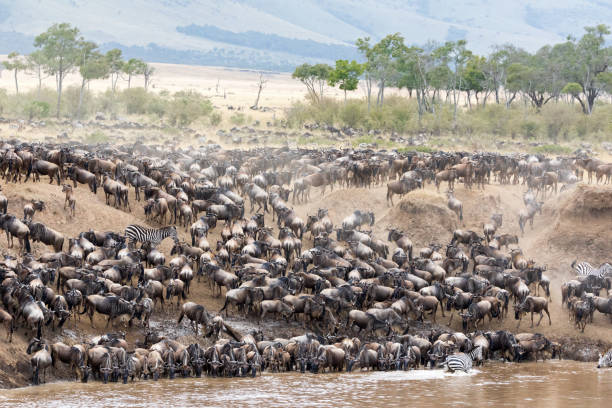
No. Even when herds are near the river, a crossing may not happen during your visit. Several days in the area provide more observation time without guaranteeing an event.
- Does this itinerary visit the Maasai Mara?
No. The example remains in Tanzania. Kenya’s Maasai Mara requires a separately planned extension.
- Is seven days enough?
Seven days allows a worthwhile migration-focused safari, although the northern road itinerary includes substantial driving. More days or a flight variation can create a less rushed journey.
- Can the safari start in Moshi?
Yes, a Moshi start can be discussed. An overnight stay in Arusha before Day 1 may make the first travel day easier.
- Can children join?
A family departure can be planned, subject to accommodation age policies and suitable arrangements. Consider how comfortably children will manage long drives and extended game-viewing periods.
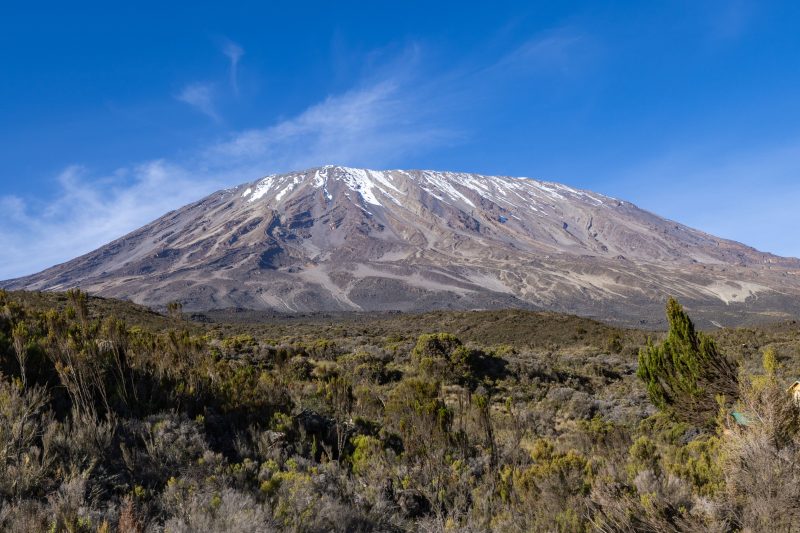
- Can I combine this trip with Kilimanjaro?
Yes. Schedule enough recovery time after the climb and confirm the full programme before arranging flights.
- Will we see the Big Five?
There are opportunities to search for these animals across the itinerary, but sightings of all five cannot be promised.
- Plan Your Serengeti Migration Safari
Choose your travel season first, then build the route around the wildlife experience you hope to enjoy. With time in the appropriate migration region, comfortable overnight stops, and a realistic driving schedule, seven days can offer a memorable introduction to Tanzania’s wilderness
Book this Tour with Kilinge Adventures
Apart from this, you may read and write some reviews for us from Safari Bookings.
- Day 1
- Day 2
- Day 3
- Day 4
- Day 5
- Day 6
- Day 7
Arusha to Central Serengeti
After an early breakfast, meet your safari guide and begin the journey towards the Serengeti. The drive passes through northern Tanzania’s towns, farming landscapes, and highland scenery before reaching the open plains.
This is a substantial travel day, so an early start matters. Carry essential items in a small bag, including sun protection, a light layer, your camera, and any personal necessities.
After entering the Serengeti and completing the required formalities, continue towards your accommodation with wildlife viewing along the way. Depending on your arrival time, the afternoon may provide opportunities to observe giraffes, zebras, antelopes, elephants, or predators resting near suitable habitat.
Arrive at camp or your lodge for dinner and your first evening in the bush.
| Day 1 Details | Information |
|---|---|
| Main journey | Arusha to Central Serengeti |
| Main activities | Scenic drive and wildlife viewing after park entry |
| Overnight | Central Serengeti |
| What to expect | A long road journey with an introduction to the plains |
Central Serengeti to Northern Serengeti
Begin with breakfast and a game drive through the central area before travelling north. Your guide balances wildlife stops with the distance needed to reach your next camp.
As the journey continues, the scenery changes between open grassland, rocky outcrops, woodland, and river valleys. Wildlife encounters may occur throughout the transfer, but reaching the northern sector still requires several hours on the road.
Depending on the latest local observations, your guide may explore suitable areas near camp before the evening. Settle into your accommodation and discuss the following day’s plan.
| Day 2 Details | Information |
|---|---|
| Main journey | Central to Northern Serengeti |
| Main activities | Morning wildlife viewing and transfer north |
| Overnight | Northern Serengeti |
| What to expect | Changing landscapes and a substantial drive between regions |
Full-Day Migration Exploration
Today is devoted to exploring the northern sector. An early departure allows your guide to investigate areas where herds have recently been observed and assess conditions around the river.
During the usual northern migration period, wildebeest may gather near the Mara River, graze across surrounding plains, or move between different parts of the ecosystem. River crossings are possible, but their timing is unpredictable. Herds can approach the water and withdraw without crossing. The broad seasonal pattern usually places northern migration viewing between July and October, with considerable variation.
Your day may involve a mixture of driving, waiting, and observing. A packed lunch allows more flexibility when exploring farther from camp.
Return to your accommodation in the late afternoon, with time to relax before dinner.
| Day 3 Details | Information |
|---|---|
| Main area | Northern Serengeti |
| Main activities | Migration search and river-area wildlife viewing |
| Overnight | Northern Serengeti |
| What to expect | Flexible game drives and patient observation |
Another Full Day in Northern Serengeti
A second full day gives you more time to explore rather than relying on a single opportunity. Your guide uses recent sightings and the previous day’s observations to decide where to concentrate.
If herds remain near the river, you may revisit suitable viewing areas. Alternatively, the day can focus on grazing concentrations, predator territories, woodland habitats, and quieter sections of the northern landscape.
This is also an opportunity to appreciate the wider ecosystem. Watch how zebras and wildebeest move together, notice the different grazing behaviour of antelopes, and spend time observing animals without immediately moving to the next sighting.
For photographers, remaining in one region for several nights provides opportunities to work with changing light and different animal behaviour.
| Day 4 Details | Information |
|---|---|
| Main area | Northern Serengeti |
| Main activities | Extended migration and general wildlife viewing |
| Overnight | Northern Serengeti |
| What to expect | A flexible day guided by animal movements |
Northern Serengeti to Central Serengeti
After breakfast, begin the journey south with wildlife stops along the route. Your departure time depends on camp location and the distance to your next overnight stay.
Returning to the central area broadens the safari beyond the migration. Explore suitable habitats for resident wildlife and enjoy the contrast between the northern river country and the central plains.
If time permits, finish with an afternoon game drive before reaching camp. This evening provides another chance to enjoy the sounds and atmosphere of the Serengeti.
| Day 5 Details | Information |
|---|---|
| Main journey | Northern to Central Serengeti |
| Main activities | Wildlife viewing during the transfer |
| Overnight | Central Serengeti |
| What to expect | A travel day with varied wildlife opportunities |
Serengeti Game Drive to Ngorongoro Highlands
Enjoy a final morning in the Serengeti before continuing towards the Ngorongoro Conservation Area.
Your guide plans the morning around the onward journey. Depending on conditions, there may be time to explore nearby wildlife areas before travelling towards the park exit.
As you leave the plains, the landscape rises towards the highlands. Temperatures can become noticeably cooler, particularly in the evening.
Your accommodation may be on the crater rim, elsewhere in the conservation area, or around Karatu. The location should be confirmed in your quotation because it affects the next morning’s driving time.
| Day 6 Details | Information |
|---|---|
| Main journey | Serengeti to Ngorongoro highlands or Karatu |
| Main activities | Morning game drive and scenic transfer |
| Overnight | Confirmed highland lodge or camp |
| What to expect | A transition from open plains to cooler highland scenery |
Ngorongoro Crater Safari and Return to Arusha
Depart early for the Ngorongoro Crater, following the arrangements applicable to your booking. After completing entry procedures, descend to the crater floor for a game drive.
The crater offers a different setting from the Serengeti, with grassland, wetland, and woodland habitats enclosed by steep surrounding slopes.
Look for buffaloes, zebras, wildebeest, hippos, elephants, and lions. A black rhinoceros sighting is possible, although it is never assured. Your guide searches appropriate areas while allowing time to appreciate the landscape.
After your game drive and a picnic meal at a designated site, ascend from the crater and return to Arusha.
Avoid booking a tightly timed international flight immediately after the safari. Confirm any airport transfer and suitable departure timing before purchasing tickets.
| Day 7 Details | Information |
|---|---|
| Main destination | Ngorongoro Crater |
| Main activities | Crater game drive and return transfer |
| Finishing point | Arusha or an agreed destination |
| What to expect | An early start followed by wildlife viewing and onward travel |