Best Kilimanjaro acclimatization Join with Friends
- Trip Overview
- Trip Itinerary
What's included
Marangu Route 4 Days Weather – Kilimanjaro Hut Trek Conditions
Weather on the Marangu Route changes significantly as you gain altitude. A trek can begin in warm, humid rainforest conditions and finish in a cold, windy, high-altitude environment near Uhuru Peak (5,895 m). TANAPA notes that Kilimanjaro has two main rainy periods: March–May and October–November, while generally drier conditions occur from late June–September and December–early March.
Weather by Altitude
1. Marangu Gate and Lower Slopes
The lower section around Marangu is relatively warm and humid, particularly in the rainforest zone.
-
Warm daytime conditions
-
High humidity
-
Possible rainfall and mist
-
Lush, wet forest environment
-
Waterproof clothing is recommended
Rainfall is more common during the wet seasons, particularly from March to May and during the shorter October–November rains.
2. Rainforest Zone
The first section of the Marangu Route passes through dense montane forest. Conditions can be cool and damp beneath the forest canopy.
Expect:
-
Mist and cloud cover
-
Occasional rain
-
Wet or muddy sections of trail
-
Cooler temperatures compared with the mountain foothills
-
Dense vegetation and high humidity
A waterproof jacket and waterproof protection for your backpack are useful in this section.
3. Heath and Moorland Zone
As the trail rises above the forest, temperatures become cooler and the landscape becomes more open.
Weather can include:
-
Cool mornings
-
Mild daytime temperatures
-
Stronger winds
-
Increasing cloud cover
-
Occasional rain or mist
The open terrain also means greater exposure to sunlight and wind, so both sun protection and warm layers are important.
4. Alpine Desert
Around Kibo Hut and the Saddle, the environment becomes much drier and more exposed.
Typical conditions include:
-
Cold temperatures, especially at night
-
Strong winds
-
Dry, rocky terrain
-
Intense sunlight during the day
-
Very low humidity
-
Rapid weather changes
At this altitude, trekkers need warm clothing even when conditions appear sunny.
5. Summit Zone
The summit area around Uhuru Peak has the harshest weather conditions on the mountain. Temperatures can fall below freezing, particularly during the nighttime summit attempt.
Trekkers should be prepared for:
-
Freezing temperatures
-
Strong wind
-
Ice or snow
-
Very cold conditions before sunrise
-
Reduced visibility in clouds or storms
-
Intense sunlight after sunrise
Kilimanjaro’s summit can retain snow and ice even though the mountain is close to the equator.
Best Weather for a 4-Day Marangu Trek
The generally preferred periods for trekking are:
-
June to October: Generally dry and favorable for mountain trekking.
-
December to early March: Another generally drier period with good climbing conditions.
-
October to November: Short rains can make trails wetter. 4-day Marangu itinerary is highly compressed, weather can have a significant effect on the trek. Rain can make lower sections slippery, while clouds
-
March to May: Main rainy season, with more frequent precipitation and wetter trails.
TANAPA identifies June–September and December–early March as generally dry periods, while March–May and October–November are the principal rainy periods.
Weather and the 4-Day Schedule
Because the 4-day Marangu itinerary is highly compressed, weather can have a significant effect on the trek. Rain can make lower sections slippery, while clouds, wind, cold, or snow can make the summit attempt more difficult.
The summit night is usually the coldest part of the trek. Trekkers should therefore carry adequate thermal clothing, an insulated jacket, warm gloves, a hat, and other cold-weather equipment.
TANAPA also recommends proper cold-weather and rain gear and emphasizes that mountain conditions can change quickly.
What to Pack for Kilimanjaro Weather
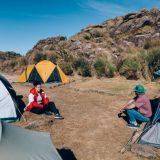
For the Marangu Route, it is important to pack clothing and equipment suitable for a wide range of weather conditions, from warm and humid rainforest conditions to freezing temperatures near the summit. Essential items include waterproof hiking boots, a waterproof jacket and trousers, thermal base layers, a fleece jacket, an insulated or down jacket, warm gloves, thermal socks, a warm hat, a sun hat, sunglasses, and sunscreen. A backpack rain cover and water-resistant bags are useful for protecting clothing, electronics, and other personal belongings from rain and moisture. You should also carry a headlamp, a cold-weather sleeping bag, and adequate water bottles or a hydration system. Dressing in layers is recommended because temperatures can change significantly as you gain altitude.
Weather Conditions and Trekking Safety
Kilimanjaro weather can change quickly, particularly at higher elevations. Clear conditions in the morning can become cloudy or windy later in the day.
For a safe trek:
-
Follow your mountain guide’s weather and safety instructions.
-
Carry rain protection even when the forecast looks dry.
-
Dress in layers so you can adjust to changing temperatures.
-
Protect yourself from strong sunlight at high altitude.
-
Keep warm during the summit attempt.
-
Stay hydrated.
-
Be prepared for wet, cold, and windy conditions.
-
.
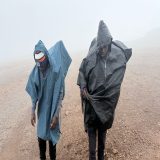
TANAPA specifically advises visitors to respect weather conditions, carry appropriate rain and cold-weather gear, and follow guide instructions.
Book this Tour with Kilinge Adventures
Apart from this, you may read and write some reviews for us from Safari Bookings.
Also, you may read and write reviews for us from TripAdvisor
- Day 1
- Day 2
- Day 3
Marangu Gate to Mandara Hut – Rainforest Weather
The trek begins at Marangu Gate (1,860 m) and continues through the lush montane rainforest toward Mandara Hut (2,700 m).
The lower slopes are generally warm and humid, with dense vegetation, mist, and a possibility of rainfall. The forest canopy provides shade, but the trail can become wet and muddy during rainy periods.
Weather conditions:
-
Warm and humid
-
Frequent cloud or mist
-
Possible rainfall
-
Wet and slippery trail sections
-
Cooler conditions as elevation increases
Trekking distance: Approximately 8 km Trekking time: 3–4 hours Overnight: Mandara Hut
Mandara Hut to Horombo Hut – Cool Moorland Weather
After leaving Mandara Hut, the trail gradually moves out of the rainforest and into the heath and moorland zone. Continue toward Horombo Hut at approximately 3,720 m.
The weather becomes cooler and more changeable. The open landscape also means greater exposure to wind and sunlight. On clear days, you may enjoy views of Mawenzi and Kibo peaks.
Weather conditions:
-
Cool mornings and evenings
-
Mild conditions during the day
-
Increasing wind exposure
-
Possible clouds and mist
-
Occasional rain
Trekking distance: Approximately 11 km Trekking time: 5–7 hours Overnight: Horombo Hut
Horombo Hut to Kibo Hut – Alpine Desert Weather
The trek continues across the Saddle, the high-altitude area between Mawenzi and Kibo. The landscape becomes dry, rocky, and almost free of vegetation as you approach Kibo Hut at approximately 4,700 m.
Temperatures drop significantly, especially after sunset. Strong winds and intense sunlight are possible during the day.
Weather conditions:
-
Cold mornings and evenings
-
Dry and exposed environment
-
Strong winds possible
-
Intense sunlight during the day
-
Very cold temperatures at night
Trekking distance: Approximately 9–10 km Trekking time: 5–7 hours Overnight: Kibo Hut
The summit attempt normally begins around midnight. The climb toward Uhuru Peak (5,895 m) takes place in the coldest conditions of the trek.
Temperatures can fall below freezing, while strong winds, ice, snow, clouds, and reduced visibility may occur. After reaching the summit, trekkers begin the long descent toward the lower mountain.
If weather conditions are clear, sunrise from the summit area can provide spectacular views across Kilimanjaro and the surrounding landscape.
Weather conditions:
-
Freezing temperatures
-
Strong winds possible
-
Ice or snow possible
-
Very cold before sunrise
-
Rapid changes in visibility
-
Strong sunlight after sunrise
Summit: Uhuru Peak – 5,895 m Summit ascent: Approximately 6–8 hours Descent: Several additional hours Final destination: Depending on the 4-day arrangement, Horombo Hut or Marangu Gate