Best Kilimanjaro acclimatization Join with Friends
- Trip Overview
- Trip Itinerary
What's included
- All meals included
- All mentioned activities
- Lunch box
- Medical insurance and emergency insurance
- Medically qualified mountain guides, cooks and porters
- Oxygen Cylinder
- Professionally guided tour
- Airport pick up and drop off
- Alcoholic and soft drinks
- Entry visa for Tanzania
- Laundry Services
- Other International flights
- Personal expenses
- Services not specifically stated in the itinerary
- Tips to mountain crew
Marangu Route 4 days huts accommodation
Overview
The Marangu Route is the only Mount Kilimanjaro trekking route that offers overnight accommodation in permanent mountain huts rather than tents. This makes it a distinctive choice for trekkers who prefer a more traditional and sheltered mountain experience.
During the 4-day Marangu Route trek, accommodation is provided in mountain huts at Mandara, Horombo and Kibo, strategically located along the route. The huts provide basic shelter from changing mountain weather and offer trekkers a place to rest and recover between trekking stages.
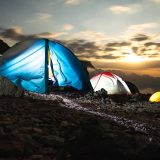
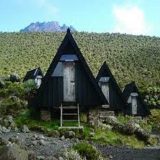
Mandara Hut – 2,720 Metres
Your first night is spent at Mandara Hut, located within the rainforest zone after the initial ascent from Marangu Gate.
Mandara consists of several simple hut buildings surrounded by the lush forest environment. The accommodation is basic but provides a warm and sheltered place to rest after your first day on the mountain.
After settling in, trekkers can relax around the hut area, enjoy their evening meal and prepare for the next day’s journey toward Horombo.
Accommodation: Mandara Hut
Altitude: 2,720 m
Environment: Montane rainforest / moorland transition
Horombo Hut – 3,720 Metres
The second night is spent at Horombo Hut, one of the main overnight areas on the Marangu Route.
Located in the moorland zone, Horombo offers impressive views toward Kibo and Mawenzi Peaks. The hut complex is larger than Mandara and serves as an important resting point for trekkers ascending toward the summit.
Trekkers stay in shared sleeping huts and have access to communal areas where meals are served and the mountain team prepares for the following day’s trek.
Accommodation: Horombo Hut
Altitude: 3,720 m
Environment: Moorland
Kibo Hut – 4,703 Metres
The final overnight stay before the summit is at Kibo Hut, situated at approximately 4,703 metres above sea level.
Kibo is located in the high alpine desert between Mawenzi and Kibo Peaks. The surroundings become increasingly rocky and barren as the vegetation disappears with altitude.
Because the summit attempt normally begins around midnight, trekkers have an early dinner and retire to rest as soon as possible. After a short period of sleep, the group begins the demanding ascent toward Uhuru Peak at 5,895 metres.
Accommodation: Kibo Hut
Altitude: 4,703 m
Environment: Alpine desert
What to Expect from Marangu Hut Accommodation
Marangu’s hut accommodation is designed primarily for shelter and rest, rather than luxury. The facilities are simple and practical, reflecting the remote mountain environment.
Depending on the hut, trekkers can generally expect:
-
Shared sleeping rooms
-
Bunk-style beds
-
Mattresses
-
Communal dining areas
-
Basic toilet facilities
-
Mountain views and surrounding natural scenery
-
Shared spaces for relaxing and eating
Trekkers should bring their own sleeping bag, as hut accommodation does not replace the need for appropriate personal sleeping equipment.
Sleeping Arrangements
Accommodation is generally provided in shared rooms with bunk beds. During busy trekking periods, the huts can become crowded, so trekkers should be prepared to share sleeping spaces with other climbers.
The communal nature of the huts is part of the Marangu experience. It also creates an opportunity to meet fellow trekkers from different countries and share experiences from the mountain.
Meals at the Mountain Huts
Meals are prepared by the trekking support team and served at designated dining areas. A typical trekking menu may include nutritious meals such as rice, pasta, potatoes, vegetables, meat, soups, fruit and other energy-rich foods.
At high altitude, staying well hydrated and maintaining adequate energy intake are particularly important. Drinking water should be carried and replenished according to the trek operator’s arrangements.
Hygiene and Facilities
The facilities on Kilimanjaro are basic. Trekkers should not expect hotel-style bathrooms, private rooms or hot showers at the mountain huts.
Toilets are available, but facilities become increasingly basic as you ascend toward Kibo Hut. We recommend carrying personal hygiene essentials, biodegradable wet wipes, hand sanitizer and a small personal towel.
Why Choose the Marangu Route?
The hut accommodation is one of the defining features of the Marangu Route. It provides:
Shelter from the weather: Permanent huts provide protection from wind, rain and cold conditions.
A traditional Kilimanjaro experience: Staying in mountain huts gives trekkers a different experience from camping routes.
Convenient overnight stops: Mandara, Horombo and Kibo are established overnight points along the route.
A social atmosphere: Shared accommodation allows trekkers to interact with other climbers and mountain crews.
Less camping equipment: Since accommodation is provided in huts, trekkers do not sleep in tents along the route.
Why Choose Marangu Route 4 Days Huts Accommodation?
-
Stay in permanent huts at Mandara, Horombo, and Kibo
-
Balanced 4-day itinerary for better acclimatization
-
All meals included in huts
-
Licensed guides and porter support
-
Kilimanjaro National Park fees included
-
Summit certificate upon completion
Who Is This Trek Best For?
-
Trekkers seeking comfort and convenience
-
First-time climbers
-
Travelers with limited time in Tanzania
-
Hikers wanting guided and supported climbs
-
Anyone looking for a classic, non-technical route
Advantages of Hut Accommodation on the Marangu Route
Hut accommodation is one of the key features that distinguishes the Marangu Route from other Mount Kilimanjaro routes. Instead of sleeping in tents, trekkers stay in established mountain huts, providing a practical and sheltered experience throughout the trek.
-
Protection from the weather: Mountain huts provide reliable shelter from rain, wind and cold conditions, particularly valuable at higher elevations.
-
No need to sleep in a tent: Trekkers do not need to set up or sleep in camping tents, making the experience more convenient for those who prefer fixed accommodation.
-
Comfortable sleeping arrangements: The huts generally feature bunk beds and mattresses, offering a more structured sleeping environment than camping.
-
Convenient overnight locations: The huts are strategically positioned at Mandara, Horombo and Kibo, making them established stopping points along the Marangu Route.
-
Communal dining areas: Trekkers can enjoy meals in designated dining areas rather than eating inside a tent.
-
Social atmosphere: Shared huts provide an opportunity to meet fellow trekkers from around the world and exchange experiences.
-
Less camping equipment required: Because accommodation is provided in permanent huts, trekkers do not need to carry or rely on personal camping tents.
-
A traditional Kilimanjaro experience: Staying in the mountain huts is an important part of the classic Marangu Route experience.
A Practical Choice for Kilimanjaro Trekkers
For travelers who value shelter, convenience and a traditional mountain experience, hut accommodation makes the Marangu Route particularly distinctive. However, the huts remain basic mountain facilities rather than hotels, so trekkers should be prepared for shared rooms, simple toilets and limited facilities.
Marangu Route combines the adventure of high-altitude trekking with the convenience of permanent mountain hut accommodation.
Book this Tour with Kilinge Adventures
Apart from this, you may read and write some reviews for us from Safari Bookings.
Also, you may read and write reviews for us from TripAdvisor
- Day 1
- Day 2
- Day 3
- Day 4
Marangu Gate – Mandara Hut
Elevation: 1,860 m – 2,720 m Distance: Approximately 8 km Trekking Time: 3–5 hours Habitat: Montane Rainforest Accommodation: Mandara Hut Meals: Lunch & Dinner
Your Kilimanjaro adventure begins with a transfer from Moshi to Marangu Gate, where you will complete registration and park entry procedures. The trek then begins through the lush montane rainforest.
The trail is surrounded by beautiful vegetation and abundant birdlife, with opportunities to see monkeys along the way. After several hours of trekking, you arrive at Mandara Hut, where you will settle into your shared mountain hut, enjoy dinner and rest overnight.
Mandara Hut – Horombo Hut
Elevation: 2,720 m – 3,720 m Distance: Approximately 12 km Trekking Time: 5–7 hours Habitat: Moorland Accommodation: Horombo Hut Meals: Breakfast, Lunch & Dinner
After breakfast, you leave the rainforest behind and continue through the beautiful moorland zone. The landscape gradually becomes more open, with spectacular views of Kilimanjaro's volcanic peaks.
The trail continues toward Horombo Hut, one of the main accommodation points on the Marangu Route. Upon arrival, you will have time to rest, enjoy the surrounding scenery and prepare for the next stage of the climb.
Horombo Hut – Kibo Hut
Elevation: 3,720 m – 4,703 m Distance: Approximately 9 km Trekking Time: 5–7 hours Habitat: Alpine Desert Accommodation: Kibo Hut Meals: Breakfast, Lunch & Dinner
Today's trek takes you into the high alpine desert. The vegetation becomes increasingly sparse as you cross the broad saddle between Mawenzi and Kibo Peaks.
The steady ascent continues toward Kibo Hut, your final overnight stop before the summit attempt. After dinner, you will rest early because the summit climb begins around midnight.
Kibo Hut – Uhuru Peak – Horombo Hut – Marangu Gate
Kibo Hut: 4,703 m Uhuru Peak: 5,895 m Trekking Time: Approximately 12–16 hours Habitat: Alpine Desert & Arctic Zone Meals: Breakfast, Lunch & Dinner
The summit attempt begins around midnight. Under the guidance of your professional mountain crew, you ascend slowly toward Gilman's Point on the crater rim.
From there, the trail continues toward Stella Point and eventually to Uhuru Peak, at 5,895 metres, the highest point in Africa.
After celebrating your summit achievement and taking photographs, you begin the descent to Kibo Hut for a short rest. You then continue down to Horombo Hut before proceeding through the moorland and rainforest toward Marangu Gate.
At the gate, you will complete the park exit procedures and meet your transfer back to Moshi.