Best Kilimanjaro acclimatization Join with Friends
- Trip Overview
- Trip Itinerary
What's included
- All meals included
- All mentioned activities
- Lunch box
- Medically qualified mountain guides, cooks and porters
- Oxygen Cylinder
- Professionally guided tour
- Airport pick up and drop off
- Alcoholic and soft drinks
- Entry visa for Tanzania
- Hot water for washing up daily and treated water for drink while climbing.
- Laundry Services
- Personal expenses
- Services not specifically stated in the itinerary
- Tips to mountain crew
Marangu Route 4 days acclimatization
Overview
The 4-day Marangu Route offers a compact opportunity to experience Mount Kilimanjaro, but its short schedule requires careful attention to altitude and pacing. As the trail rises from the rainforest at Marangu Gate through the moorland of Horombo and into the alpine desert around Kibo, the available oxygen gradually decreases.
Our mountain team focuses on a controlled trekking pace, regular hydration, proper nutrition, rest, and continuous monitoring throughout the ascent. Trekkers are encouraged to follow the principle of “pole pole” – slowly, slowly allowing the body as much opportunity as possible to adjust to the changing altitude.
The summit attempt begins from Kibo Hut at approximately 4,703 m, with the goal of reaching Uhuru Peak at 5,895 m. Because the four-day program provides limited acclimatization time, it is important that trekkers understand the physical demands of the itinerary and communicate immediately with their guide if they experience altitude-related symptoms.
For travelers whose primary priority is acclimatization, a longer Marangu itinerary with an additional day at Horombo provides more time for adaptation.
Because this is a four-day itinerary, the ascent is relatively rapid and provides limited time for acclimatization. Proper preparation, a slow trekking pace, hydration, nutrition, and close communication with your mountain guide are therefore especially important.
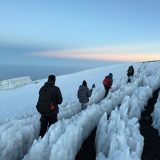
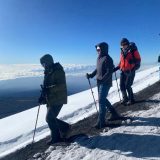
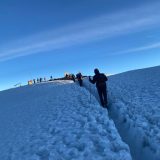
Tour Highlights
-
Trek Mount Kilimanjaro via the historic Marangu Route.
-
Attempt the summit of Africa’s highest mountain.
-
Reach Uhuru Peak at 5,895 metres.
-
Stay in mountain huts instead of tents.
-
Experience rainforest, moorland, and alpine desert environments.
-
Gradually increase elevation throughout the route.
-
Learn and practice safe altitude-management techniques.
-
Enjoy views of Kibo and Mawenzi peaks.
-
Experience a challenging nighttime summit ascent.
-
Trek with an experienced mountain support team.
Understanding Acclimatization on a 4-Day Route
Acclimatization is the body’s process of adapting to lower oxygen availability as you ascend to higher elevations.
On Kilimanjaro, altitude becomes an important consideration once you move above approximately 2,500 metres. The higher you climb, the lower the available oxygen becomes.
The 4-day Marangu Route includes progressive elevation gain, but it does not provide the same acclimatization opportunity as longer Kilimanjaro itineraries.
The itinerary generally progresses from:
1,860 m → 2,720 m → 3,720 m → 4,703 m → 5,895 m
This means the body has only a short period to adapt before the summit attempt.
For this reason, the four-day itinerary should be viewed as a short, demanding summit program, rather than an itinerary designed around extensive acclimatization.
How Acclimatization Works During the Trek
Although the itinerary is short, several practical measures can help you manage the altitude.
1. Gradual Elevation Gain: The route takes you progressively higher each day rather than moving directly from the mountain’s base to the summit.
2. Slow Trekking Pace: Your guide will normally encourage you to walk slowly and steadily. The famous Swahili expression “pole pole”, meaning “slowly, slowly,” reflects an important approach to high-altitude trekking.
3. Hydration: Regular fluid intake is important during the ascent. Dehydration can make you feel worse at altitude and can contribute to fatigue.
4. Nutrition: Eating regularly provides your body with the energy needed for long trekking days.
5. Monitoring Symptoms: Your guide should regularly check how you are feeling. Reporting symptoms early allows the trekking team to make appropriate safety decisions.
6. Rest: Adequate rest is particularly important because the body is working harder at altitude, even when you are walking slowly.
Why Choose Marangu Route 4 Days Acclimatization?
-
Balanced 4-day itinerary to optimize altitude adaptation
-
Permanent huts at Mandara, Horombo, and Kibo for comfort
-
Professional guides monitoring safety and acclimatization
-
Meals included for energy and recovery
-
Kilimanjaro National Park fees included
-
Summit certificate upon completion
This trek is perfect for travelers seeking a safe and structured Kilimanjaro ascent.
Why the 4-Day Route Requires Good Preparation
The Marangu trail itself is well established, but the short itinerary means there is limited time for the body to adapt to altitude.
Before your trek, preparation should include:
-
Regular walking or hiking.
-
Cardiovascular exercise.
-
Stair climbing or uphill training.
-
Longer weekend hikes where possible.
-
Practicing with your hiking boots.
-
Testing your backpack and clothing.
-
Preparing for cold conditions.
-
Learning about altitude-related symptoms.
Physical fitness does not guarantee successful acclimatization, but being prepared for long trekking days can make the experience more manageable.
Is a 4-Day Marangu Route Suitable for You?
The itinerary may appeal to travelers who have limited time in Tanzania and want a compact Kilimanjaro program.
However, it is important to understand that shorter does not mean easier.
The four-day schedule may be considered by experienced and physically prepared trekkers who understand the challenges of rapid elevation gain.
Travelers who want more time for acclimatization may wish to consider a longer Kilimanjaro itinerary instead.
A qualified trekking operator can help you select an itinerary appropriate to your experience, schedule, and individual circumstances.
Best Time to Climb
Kilimanjaro is climbable throughout much of the year, although weather conditions vary.
The commonly preferred periods are:
-
January–February: Generally favorable and relatively dry.
-
June–October: Popular dry-season trekking period.
-
November–December: Short rains may occur.
-
March–May: Longer rains can produce wetter trail conditions.
Regardless of when you climb, conditions can change quickly on the mountain, particularly at higher elevations.
Advantages of Marangu Route 4 Days Acclimatization
-
Optimized schedule for altitude adaptation
-
Sleep in comfortable mountain huts
-
Professional guides monitor safety and pacing
-
Porters carry gear to conserve energy
-
Meals provided to support stamina and recovery
-
Non-technical, classic route
-
Fully compliant with Kilimanjaro National Park regulations
Frequently Asked Questions
Does four days provide enough acclimatization?
Four days provides limited acclimatization time. The itinerary includes progressive elevation gain, but it is considerably shorter than itineraries designed specifically to maximize acclimatization.
Can I take medication for altitude?
Altitude medication should only be considered with appropriate medical advice. Discuss your individual circumstances with a qualified healthcare professional before your trip.
What does “pole pole” mean?
“Pole pole” is Swahili for “slowly, slowly.” It is commonly used on Kilimanjaro to encourage a controlled pace during the ascent.
Why is the summit attempt done at night?
Starting at night allows trekkers to attempt the summit during the cooler hours and, depending on pace and conditions, reach the crater rim or summit around sunrise.
What if I develop altitude symptoms?
Tell your guide immediately. Depending on the severity of the symptoms, the appropriate response may involve rest, further assessment, or descent to a lower elevation.
Is the 4-day route recommended for everyone?
No. The short itinerary is demanding and offers limited time for acclimatization. Travelers should consider their hiking experience, physical preparation, medical circumstances, and tolerance for high-altitude trekking before booking.
Acclimatize, Climb, Celebrate
The Marangu Route 4 days acclimatization trek offers a safe, structured path to Kilimanjaro’s summit. With hut lodging, expert guidance, and gradual altitude gain, climbers can focus on the experience, enjoy the scenery, and maximize summit success.
For travelers prioritizing safety, acclimatization, and a well-supported climb, this 4-day Marangu Route is one of the best options for a rewarding Kilimanjaro adventure.
Book this Tour with Kilinge Adventures
Apart from this, you may read and write some reviews for us from Safari Bookings.
Also, you may read and write reviews for us from TripAdvisor
- Day 1
- Day 2
- Day 3
- Day 4
Marangu Gate to Mandara Hut
Elevation: 1,860 m to 2,720 m Distance: Approximately 8 km Trekking Time: 4–5 hours Habitat: Rainforest
Your Kilimanjaro adventure begins at Marangu Gate.
After registration and park formalities, you start walking through the beautiful montane rainforest.
The first day introduces your body to the increasing elevation. The ascent is steady, giving you an opportunity to establish a comfortable trekking rhythm.
Your guide will encourage you to avoid rushing, even if you feel strong during the first few hours.
You eventually arrive at Mandara Hut, where you have dinner and spend the night.
This first overnight stay provides your initial opportunity to rest at a higher elevation before continuing upward.
Overnight: Mandara Hut Meals: Lunch and dinner
Mandara Hut to Horombo Hut
Elevation: 2,720 m to 3,720 m Distance: Approximately 12 km Trekking Time: 6–8 hours Habitat: Moorland
After breakfast, the trail leaves the rainforest and enters the moorland zone.
As you gain elevation, the vegetation becomes more open and the views become wider. On clear days, you may see the impressive peaks of Kibo and Mawenzi.
Today is particularly important from an acclimatization perspective because you climb above 3,500 metres.
You should pay attention to how your body responds to the increasing altitude. Symptoms such as headache, nausea, dizziness, or unusual fatigue should be reported to your guide.
The day's trek ends at Horombo Hut, where you rest and prepare for the next stage.
Overnight: Horombo Hut Meals: Breakfast, lunch and dinner
Horombo Hut to Kibo Hut
Elevation: 3,720 m to 4,703 m Distance: Approximately 9–10 km Trekking Time: 6–8 hours Habitat: Alpine desert
Today you continue toward the high-altitude alpine environment surrounding Kibo.
The trail crosses the Saddle, the broad area between Kibo and Mawenzi peaks. Vegetation becomes increasingly sparse and the landscape more rugged.
At approximately 4,703 metres, you arrive at Kibo Hut.
This is a significant elevation gain within a short period, so conserving energy is important. Avoid unnecessary exertion and focus on hydration, nutrition, and rest.
After an early dinner, you prepare for the summit attempt.
You will normally rest for only a few hours before beginning the final ascent during the night.
Overnight: Kibo Hut Meals: Breakfast, lunch and dinner
Kibo Hut – Uhuru Peak – Horombo Hut
Kibo Hut: 4,703 m Uhuru Peak: 5,895 m Trekking Time: Approximately 12–15+ hours Habitat: Alpine desert and moorland
The summit day begins around midnight.
You start the climb in darkness, ascending slowly over steep and rocky terrain toward the crater rim.
At this elevation, the effects of altitude become much more noticeable. Your guide will maintain a controlled pace and monitor your condition throughout the ascent.
The route continues toward Stella Point and then along the crater rim toward Uhuru Peak.
Uhuru Peak – 5,895 Metres
Reaching Uhuru Peak marks the highest point of your journey and the highest elevation in Africa.
After celebrating your achievement and taking photographs, you begin your descent.
Descending is an important part of altitude management because moving to a lower elevation generally reduces the physiological stress associated with altitude.
You return toward Kibo Hut before continuing down to Horombo Hut.
Overnight: Horombo Hut Meals: Breakfast, lunch and dinner