Best Kilimanjaro acclimatization Join with Friends
- Trip Overview
What's included
Kilimanjaro packing list for cold weather hiking
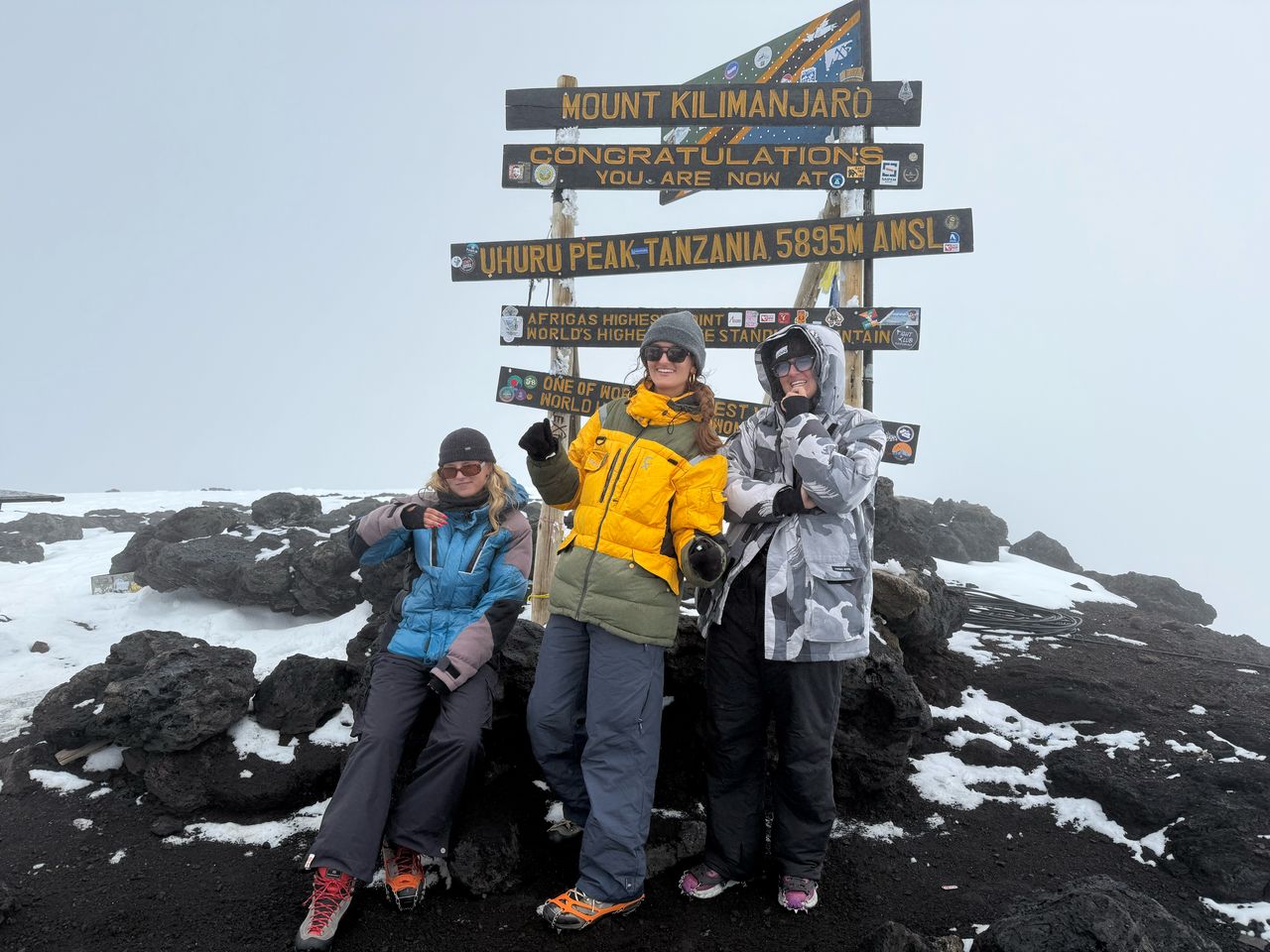
Mount Kilimanjaro exposes climbers to extreme weather changes, ranging from warm rainforest temperatures at lower elevations to freezing conditions at high altitude. A proper packing list is essential for staying warm, dry, and safe during the coldest stages of the climb, especially on summit night when temperatures can drop below -15°C.
This detailed Kilimanjaro packing list for cold weather hiking covers clothing layers, accessories, equipment, personal care items, and optional gear to maximize comfort and safety.
Why You Need a Dedicated Cold Weather Packing List
Kilimanjaro hikers face:
-
Sudden temperature drops
-
Strong winds
-
Frost on tents
-
Nighttime temperatures below freezing
-
High winds on summit night
-
Prolonged exposure to cold during slow ascents
Proper clothing and gear help maintain body heat, prevent hypothermia, and improve summit success rates.
Essential Kilimanjaro Clothing Layers for Cold Weather
Base Layers (Thermal Layer)
Base layers are crucial for insulation and moisture control.
Recommended items:
-
Thermal long-sleeve top (merino wool preferred)
-
Thermal leggings
-
Moisture-wicking underwear
These layers trap heat while keeping sweat away from your skin.
Mid Layers (Insulation Layer)
Mid layers add warmth and retain body heat.
Include:
-
Fleece jacket or pullover
-
Lightweight down jacket or insulated synthetic jacket
-
Soft-shell hiking pants
These layers provide warmth without excess bulk.
Outer Layers (Weather-Proof Layer)
Outer layers protect you from wind, snow, and rain.
Required items:
-
Waterproof, windproof jacket (Gore-Tex or similar)
-
Waterproof trousers
-
Hard-shell layer for summit night
These layers are essential for the harsh weather higher up.
Cold Weather Accessories for Kilimanjaro
Head and Face Protection
The summit zone is extremely cold and windy.
Pack:
-
Warm beanie
-
Balaclava or face mask
-
Neck gaiter or buff
-
UV-protection sunglasses
Good head coverage reduces heat loss and protects skin from windburn.
Gloves and Hand Protection
Hands get cold quickly on Kilimanjaro.
Recommended items:
-
Inner fleece gloves
-
Thick, insulated waterproof gloves or mittens
-
Hand warmers (optional)
Layering gloves helps flexibility and warmth.
Feet and Socks
Foot warmth is crucial because cold reduces circulation.
Bring:
-
Thermal hiking socks (3–4 pairs)
-
Liner socks to prevent blisters
-
Insulated mountaineering boots for summit night (rental optional)
Avoid cotton socks, which retain moisture.
Footwear and Hiking Gear
Hiking Boots
Choose insulated, waterproof, ankle-high hiking boots.
Features to look for:
-
Sturdy sole grip
-
Warm inner lining
-
Ankle support
-
Good waterproofing
Break them in before the climb.
Gaiters
Gaiters protect against snow, dust, and cold winds.
Trekking Poles
Useful for stability on rocky and icy terrain.
Camp Shoes
Lightweight slip-ons or sandals for evenings at camp.
Sleeping Gear for Cold Nights
Sleeping Bag
A warm sleeping bag is essential.
Recommended rating:
-
At least -10°C to -20°C comfort rating
Down sleeping bags offer the best warmth-to-weight ratio.
Sleeping Mat
High-quality foam or inflatable mats improve insulation from the cold ground.
Backpack and Storage
Daypack (30–35L)
Useful for carrying:
-
Water
-
Snacks
-
Layers
-
Camera
-
Rain gear
Duffle Bag (80–90L)
Porters carry your main gear in this bag. Make sure it is waterproof.
Dry Bags
Use dry bags or zip-lock pouches to protect electronics and clothing.
Cold Weather Essentials for Summit Night
Summit Layering Checklist
-
Thermal base layers
-
Fleece mid layer
-
Heavy down jacket
-
Waterproof outer shell
-
Warm hat
-
Balaclava
-
Insulated gloves with liners
-
Waterproof trousers
-
Thermal socks
-
Gaiters
-
Headlamp with extra batteries
These items are non-negotiable for safety on summit night.
Hydration and Nutrition Gear
Hydration System
Cold temperatures can freeze hydration tubes, so bring:
-
Insulated water bottles
-
Bottle covers
-
Optional insulated tube sleeves
Snacks
High-energy snacks help maintain warmth:
-
Energy bars
-
Nuts
-
Chocolate
-
Dried fruit
Personal Care Items for Cold Conditions
Skincare and Protection
Cold weather dries skin quickly.
Bring:
-
Lip balm
-
Sunscreen
-
Moisturizer
-
Hand cream
Health and Hygiene Supplies
-
Personal medication
-
Pain relievers
-
Blister treatment
-
Wet wipes
-
Tissues
Optional Cold Weather Items
Hand and Foot Warmers
Useful on summit night.
Thermos Flask
Helps keep drinks warm.
Extra Battery Packs
Cold drains battery life faster.
Portable Charger
Useful for cameras and phones.
Tips for Managing Cold Weather on Kilimanjaro
Keep Layers Dry
Change out of sweaty clothing to prevent chills.
Stay Hydrated
Dehydration increases cold sensitivity.
Eat Enough Calories
High-calorie meals help maintain body heat.
Move Regularly
Small movements keep circulation active.
Listen to Your Guides
They know how to manage cold exposure safely.
Conclusion
A proper Kilimanjaro packing list for cold weather hiking ensures comfort, safety, and a higher chance of reaching the summit. Layered clothing, insulated gear, weatherproof protection, and the right accessories all contribute to staying warm at high altitude. With the right preparation and packing strategy, you can face the harsh summit conditions confidently and enjoy your Kilimanjaro experience fully.
Book this Tour with Kilinge Adventures
Apart from this, you may read and write some reviews for us from Safari Bookings.