Best Kilimanjaro acclimatization Join with Friends
- Trip Overview
- Trip Itinerary
- Similar Tours
What's included
- 3 Meals while on the mountain + evening tea with popcorn or peanuts.
- 3-4 porters per climber, which includes porters to carry up to 30 lbs of your personal gear.
- All meals included
- Medically qualified mountain guides, cooks and porters
- Professionally guided tour
- Unlimited bottled water
- Alcoholic and soft drinks
- Entry visa for Tanzania
- Immunization documents (yellow fever recommended for visa processing on arrivals)
- Laundry Services
- Medical insurance and emergency insurance
- Other International flights
- Personal expenses
- Tips to guide and driver
- Tips to mountain crew
- Visa arrangements
7 Days Rongai Route Guided Climb 2026/2027
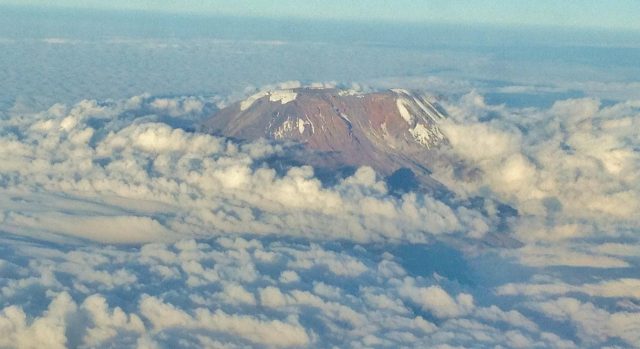
Discover Kilimanjaro’s northern slopes on a 7 Days Rongai Route Guided Climb 2026/2027 with Kilinge Adventures. This camping expedition takes you from the forest near the Kenyan border through open moorland, beneath the rugged peaks of Mawenzi, and across the high saddle towards Kibo before the summit attempt.
Rongai offers a different perspective on Africa’s highest mountain. The early stages reveal wide views towards the northern plains, while the approach to Mawenzi brings dramatic mountain scenery. After attempting Uhuru Peak, you descend along the Marangu trail, experiencing a different side of Kilimanjaro.
This seven-day programme includes two nights at Mawenzi Tarn, with an acclimatization walk between them. Other seven-day Rongai variations use different overnight stops, so the confirmed camp sequence matters when comparing departures.
The climb remains demanding. Long walking days, cold camps, and increasing altitude require preparation and a steady pace. Your guides lead the journey, assess conditions, and help your group manage each stage.
Key Highlights
- Begin your trek on Kilimanjaro’s northern side.
- Walk through forest, heath, moorland, and alpine desert.
- Enjoy views towards Kenya when the weather is clear.
- Camp beneath Mawenzi’s distinctive rocky skyline.
- Spend an additional day acclimatizing at Mawenzi Tarn.
- Cross the broad saddle between Mawenzi and Kibo.
- Attempt Uhuru Peak, approximately 5,895 metres above sea level.
- Approach the crater rim through Gilman’s Point.
- Descend through Horombo and Mandara to Marangu Gate.
- Experience the expedition with a mountain guide and support crew.
Tour Facts
| Feature | Details |
|---|---|
| Destination | Mount Kilimanjaro, Tanzania |
| Route | Rongai ascent with Marangu descent |
| Travel period | 2026 and 2027 |
| Mountain duration | 7 days |
| Mountain accommodation | Camping, usually 6 nights |
| Starting area | Rongai / Nalemoru trailhead |
| Finishing point | Marangu Gate |
| Highest objective | Uhuru Peak, approximately 5,895 metres |
| Summit approach | Kibo → Gilman’s Point → Stella Point → Uhuru Peak |
| Acclimatization arrangement | Two nights at Mawenzi Tarn |
| Overall difficulty | Challenging |
| Technical climbing | Generally unnecessary on the standard trekking itinerary |
| Additional travel time | Arrival, briefing, hotel stays, and departure require extra time |
Elevations and walking times are approximate. Your final itinerary should confirm the camps, accommodation arrangements, and transfer details for your departure.
Starting Point and Destination
The trek starts near Nalemoru, on Kilimanjaro’s northern side. Reaching the trailhead involves a road transfer from your hotel, followed by registration and final preparations.
From the lower slopes, the route climbs towards Simba Camp, continues through the Second Cave area to Kikelewa, and then reaches Mawenzi Tarn. After the acclimatization day, you cross to Kibo for the summit attempt.
The descent follows the Marangu corridor to Marangu Gate. This creates a traverse of the mountain rather than a return along the same approach trail.
Arrival and Pre-Climb Preparation
Plan to arrive before the trekking programme begins so you have time to rest and attend your briefing.
Your guide explains the daily schedule, luggage arrangements, camp routine, and summit preparations. Bring your equipment for inspection and arrange any rental items early, particularly boots, sleeping bags, and insulated clothing.
Tell Kilinge Adventures about dietary requirements, relevant health conditions, and previous experiences at altitude. Confirm that your travel insurance covers trekking to Kilimanjaro’s summit elevation and the applicable emergency arrangements.
What You Will Experience
- A Northern Approach
The opening stages offer a different outlook from the southern routes. Open slopes and views towards the Kenyan plains give the ascent its own character.
- Close Views of Mawenzi
Mawenzi Tarn is a major scenic highlight. Spending two nights here allows time to appreciate the setting rather than treating it solely as a transit camp.
- The High Saddle
Crossing between Mawenzi and Kibo reveals the scale of the mountain. The sparse terrain contrasts sharply with the forest where the trek began.
- A Different Descent
Returning through the Marangu corridor adds variety. You experience another sequence of landscapes as the trail drops through moorland and forest.
- Mountain Camping
Six nights outdoors form a central part of the expedition. Expect early starts, simple routines, cold evenings, and time spent sharing meals and preparing for the next stage.
How Difficult Is the Seven-Day Rongai Climb?
The early gradients can feel relatively gradual, but the complete expedition is challenging. Altitude increases throughout the ascent, while the summit stage involves steep climbing followed by a long descent.
The extra day at Mawenzi Tarn gives the schedule more time before the summit attempt. It does not make the climb easy or guarantee that every participant will reach Uhuru Peak.
Previous technical mountaineering experience is generally unnecessary for the standard itinerary. However, you should prepare for consecutive hiking days, uneven terrain, and many hours outdoors.
Preparing for Your Guided Trek
Build your training around regular walking, gradually increasing duration and elevation gain. Include hills, stairs, and longer outings with your intended daypack.
Practise walking on consecutive days so you become familiar with fatigue and recovery. Strength and balance exercises can also help with stability and downhill walking.
Use your hiking boots before travelling. Equipment that feels comfortable during a short walk should also be tested on longer outings.
Essential Equipment
| Equipment | Purpose |
|---|---|
| Broken-in hiking boots | Comfort and support on varied ground |
| Waterproof jacket and trousers | Protection from rain and wind |
| Base layers and fleece | Flexible warmth while walking and resting |
| Insulated jacket | Warmth at high camps and during the summit attempt |
| Warm gloves and hat | Protection during cold conditions |
| Suitable sleeping bag | Overnight warmth |
| Headlamp and spare power | Lighting for camp and the overnight ascent |
| Trekking poles | Balance and assistance during descents |
| Sunglasses and sun protection | Protection on exposed slopes |
| Daypack and water containers | Carrying daily essentials |
Request a complete packing list from Kilinge Adventures before purchasing or renting equipment. Confirm sleeping bag specifications, luggage limits, and which camping items are provided.
Accommodation, Meals, and Camp Routine
This itinerary uses tents at designated campsites. Confirm tent occupancy, sleeping mats, dining arrangements, and toilet facilities in your quotation.
A typical day includes breakfast, preparation, walking with breaks, and an afternoon or evening arrival at camp. Summit day follows a different routine because of the overnight start.
Meals are prepared around the trekking schedule. Discuss dietary requirements before departure so suitable provisions can be planned.
Carry waterproof clothing, warm layers, personal essentials, snacks, and drinking water in your daypack. Your remaining luggage travels with the support crew within the agreed limits.
Planning Your 2026/2027 Departure
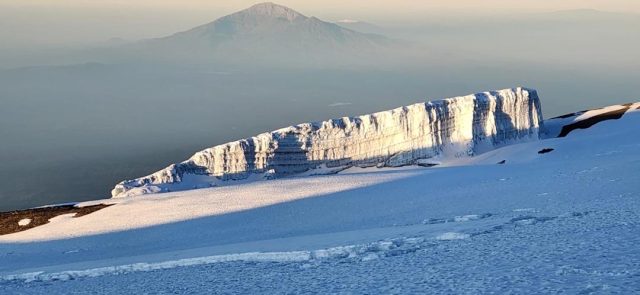
Choose dates that allow enough time for preparation and additional hotel nights around the climb. Weather on Kilimanjaro can change in any season, so your equipment must cover rain, wind, strong sun, and freezing conditions.
Ask Kilinge Adventures to confirm the exact seven-day variation being offered. A programme with a Second Cave overnight differs from the Mawenzi Tarn acclimatization version described here.
When comparing quotations, review the camp sequence and service details alongside the price.
Price and Booking
The cost depends on group size, departure date, private or shared arrangements, hotel choices, equipment rental, and the level of mountain service.
For an accurate proposal, provide:
- Your preferred trekking dates.
- The number of climbers.
- Your previous hiking experience.
- Hotel and room preferences.
- Dietary requirements.
- Equipment rental needs.
- Any plans for a safari or Zanzibar extension.
Before paying a deposit, confirm the final itinerary, payment schedule, cancellation terms, and emergency procedures.
Why Choose This Rongai Programme?
- Two nights at Mawenzi Tarn: Add a dedicated acclimatization walk before moving to Kibo.
- Distinctive scenery: Experience the northern slopes, Mawenzi, and the high saddle.
- Varied ascent and descent: Approach from Rongai and finish through Marangu.
- Guided daily progression: Follow a structured plan with support throughout the trek.
- A complete mountain experience: Combine camping, changing landscapes, and a demanding summit objective.
When arranging your climb with Kilinge Adventures, discuss guide qualifications, communication arrangements, health monitoring, equipment standards, and crew welfare so you understand the service you are booking.
Frequently Asked Questions
- Does the trip include seven days on the mountain?
Yes. This programme covers seven trekking days and six mountain nights. Arrival, briefing, hotel stays, and departure require additional time.
- Is Rongai a hut route?
Rongai is normally a camping route. Although the itinerary passes locations called Kibo Hut and Horombo Hut, indoor accommodation should never be assumed.
- Where is the extra acclimatization day?
In this version, Day 4 is based at Mawenzi Tarn, with a second night at the same camp.
- Does the trek climb Mawenzi Peak?
No. The route camps beneath Mawenzi and may include a nearby acclimatization walk. It does not include the technical ascent of Mawenzi.
- Is seven days suitable for beginners?
Well-prepared hikers may consider it, but suitability depends on fitness, health, experience, and expectations. Discuss your background with the operator before booking.
- Is reaching Uhuru Peak guaranteed?
No. Weather, altitude response, health, and the guide’s assessment determine whether continuing is appropriate.
- Can we book a private departure?
A private arrangement can be requested, subject to availability. Trails and designated campsites remain shared with other groups.
- Can we add a safari after the climb?
Yes. Allow recovery time after descending and confirm the combined schedule before booking onward travel.
Book Your Rongai Route Guided Climb
Experience Kilimanjaro from the northern slopes, spend time beneath Mawenzi, and prepare for the challenge of Uhuru Peak with a clearly planned seven-day journey.
Book this Tour with Kilinge Adventures
Apart from this, you may read and write some reviews for us from Safari Bookings.
- Day 1
- Day 2
- Day 3
- Day 4
- Day 5
- Day 6
- Day 7
Rongai Trailhead to Simba Camp
After breakfast, leave your hotel for the northern trailhead. The journey provides an introduction to the villages and cultivated landscapes around the mountain.
Following registration and equipment preparations, begin walking through the lower forest. The trail rises gradually, giving you time to settle into the pace of the expedition.
Conditions may feel warm while walking, but the temperature drops as you gain height and stop moving. Keep a light warm layer and waterproof clothing accessible.
Arrive at Simba Camp, also referred to as Rongai Cave Camp in some programmes. Settle into your tent, enjoy dinner, and prepare for your first night on the mountain.
| Day 1 Details | Approximate Information |
|---|---|
| Starting elevation | 1,950–2,000 metres |
| Overnight elevation | 2,625 metres |
| Walking time | 3–4 hours |
| Main environment | Forest transitioning towards heath |
| Overnight | Simba / Rongai Cave Camp |
What to expect: A relatively gentle introduction compared with later stages. Use the day to establish a slow, sustainable walking rhythm.
Simba Camp to Kikelewa Camp via Second Cave
Continue uphill through open heath and moorland. As the trees become smaller and more scattered, the views expand across the northern slopes.
The trail passes the Second Cave area before turning towards Kikelewa. Clear conditions may reveal Kibo ahead and the increasingly prominent outline of Mawenzi.
This is a longer day with a substantial gain in sleeping altitude. Regular breaks and patient pacing help you manage the effort.
Kikelewa Camp lies in a valley below Mawenzi. After arrival, rest, organise your belongings, and tell your guide how you are feeling.
| Day 2 Details | Approximate Information |
|---|---|
| Starting elevation | 2,625 metres |
| Overnight elevation | 3,600 metres |
| Walking time | 6–8 hours |
| Main environment | Heath and moorland |
| Overnight | Kikelewa Camp |
What to expect: More exposed walking and a noticeable increase in altitude. The day can feel demanding despite the absence of technical climbing.
Kikelewa Camp to Mawenzi Tarn
Today’s trail climbs more steeply towards Mawenzi Tarn. The vegetation becomes increasingly sparse as you move into a rocky, high mountain landscape.
Although the distance is shorter than the previous stage, the ascent requires steady effort. Your guides maintain a measured pace rather than rushing to camp.
Mawenzi Tarn sits beneath the jagged slopes of Mawenzi, creating a striking setting for your next two nights. Depending on your arrival time and condition, the afternoon may include a short walk or time to rest.
The trekking programme remains below Mawenzi’s technical climbing terrain; it does not include an ascent of Mawenzi Peak.
| Day 3 Details | Approximate Information |
|---|---|
| Starting elevation | 3,600 metres |
| Overnight elevation | 4,330 metres |
| Walking time | 3–5 hours |
| Main environment | Moorland transitioning to alpine desert |
| Overnight | Mawenzi Tarn Camp |
What to expect: A shorter but steeper stage, colder conditions, and dramatic views around camp.
Acclimatization Walk at Mawenzi Tarn
Remain at Mawenzi Tarn for a second night. Your guide plans an acclimatization walk on suitable nearby terrain, with the height and duration adjusted to conditions and the group’s wellbeing.
Leave most of your equipment at camp and carry the essentials for the walk. After spending time above camp, return for rest and meals.
This additional day provides more time at altitude before continuing towards Kibo. It also gives your guides another opportunity to assess how the group is managing the ascent.
The overnight camp remains unchanged, so you can prepare your equipment without packing for a transfer.
| Day 4 Details | Approximate Information |
|---|---|
| Starting and finishing camp | Mawenzi Tarn |
| Sleeping elevation | Approximately 4,330 metres |
| Walking time | Often 2–4 hours, adjusted by the guide |
| Main activity | Acclimatization walk and rest |
| Overnight | Mawenzi Tarn Camp |
What to expect: A purposeful adjustment day. Follow the guide’s plan and communicate openly about your condition.
Mawenzi Tarn to Kibo Camp
Leave Mawenzi Tarn and cross the broad saddle separating Mawenzi from Kibo.
The terrain is open, dry-looking, and largely without vegetation. Wind, cloud, and strong sunshine can change the walking conditions quickly, so keep protective layers close at hand.
The steady approach brings you to Kibo, where the summit trail rises towards the crater rim. Once at camp, your guide explains the overnight ascent, expected timing, clothing, food, and water arrangements.
Prepare everything before resting. An early meal and a short sleep are followed by the summit departure, commonly around midnight.
| Day 5 Details | Approximate Information |
|---|---|
| Starting elevation | 4,330 metres |
| Overnight elevation | Approximately 4,700 metres |
| Walking time | 4–6 hours |
| Main environment | Alpine desert and high saddle |
| Overnight | Kibo campsite |
What to expect: Exposed terrain and a cold camp. Despite the name “Kibo Hut,” this Rongai programme is planned as a camping trek unless your booking specifies otherwise.
Kibo to Uhuru Peak, Then Descend to Horombo
The summit attempt begins in darkness. Following your guides, climb slowly over steep, loose terrain towards Gilman’s Point on the crater rim.
This is usually the hardest section of the expedition. The combination of altitude, cold, fatigue, and limited sleep makes progress demanding.
From Gilman’s Point, climbers who are able to continue follow the crater rim past Stella Point towards Uhuru Peak. The guide’s assessment, weather, and each climber’s condition determine whether continuing is appropriate.
After a brief summit stop, descend to Kibo for rest and refreshments. You then continue down to Horombo, where you spend the final mountain night.
| Day 6 Details | Approximate Information |
|---|---|
| Starting elevation | Approximately 4,700 metres |
| Gilman’s Point | Approximately 5,685 metres |
| Highest objective | Uhuru Peak, approximately 5,895 metres |
| Finishing elevation | Approximately 3,720 metres |
| Total walking time | 12–16 hours or longer |
| Overnight | Horombo campsite |
What to expect: A very long ascent-and-descent day. Reaching the summit is only part of the journey; conserve energy for the return.
Horombo to Marangu Gate via Mandara
After breakfast, begin the final descent through moorland and into the forest.
The trail passes the Mandara area before continuing towards Marangu Gate. As you lose altitude, the surroundings become greener and the air warmer.
This remains a substantial downhill walk, especially after summit day. Use a controlled pace and take care on wet steps, roots, and uneven ground.
Complete the park exit formalities at the gate before meeting your transfer vehicle. Certificates are issued according to park procedures and the point reached.
| Day 7 Details | Approximate Information |
|---|---|
| Starting elevation | Approximately 3,720 metres |
| Finishing elevation | Approximately 1,860 metres |
| Walking time | 5–7 hours |
| Main environment | Moorland and rainforest |
| Finishing point | Marangu Gate |
What to expect: A long descent followed by your return to the hotel. Allow time to rest before onward travel.