Best Kilimanjaro acclimatization Join with Friends
- Trip Overview
- Trip Itinerary
What's included
- All meals included
- All mentioned activities
- Medically qualified mountain guides, cooks and porters
- Oxygen Cylinder
- Professionally guided tour
- Alcoholic and soft drinks
- Entry visa for Tanzania
- Laundry Services
- Other International flights
- Personal expenses
- Tips to mountain crew
6 Days Rongai Route Success Rate | Kilimanjaro
Overview
Planning to climb Mount Kilimanjaro and wondering about the 6 Days Rongai Route success rate? Understanding your chances of reaching Uhuru Peak is an important part of preparing for a safe, enjoyable, and memorable mountain adventure.
The six-day Rongai Route is one of Kilimanjaro’s established trekking itineraries, approaching Africa’s highest mountain from the peaceful northern slopes near the Kenya–Tanzania border. Known for its relatively gentle initial ascent, beautiful landscapes, and quieter trails, Rongai attracts travelers seeking a scenic and less crowded climbing experience.
However, reaching Uhuru Peak (5,895 meters) depends on several factors, including acclimatization, physical fitness, weather conditions, altitude response, and the quality of mountain support.
With Kilinge Adventures, trekkers can explore the remarkable Rongai Route with experienced local guides and organized mountain support. Our goal is to help travelers prepare properly, understand the challenges of high-altitude trekking, and enjoy a rewarding Kilimanjaro adventure.
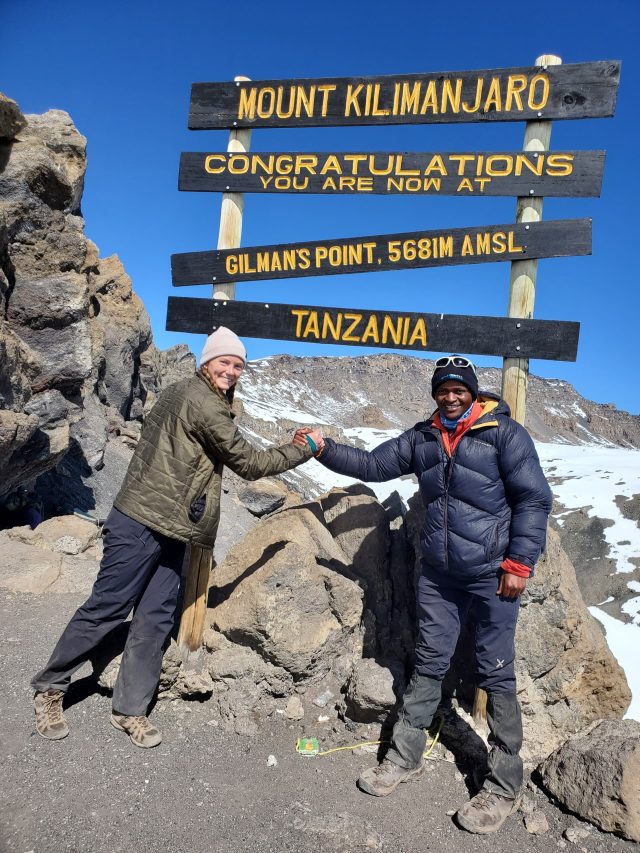
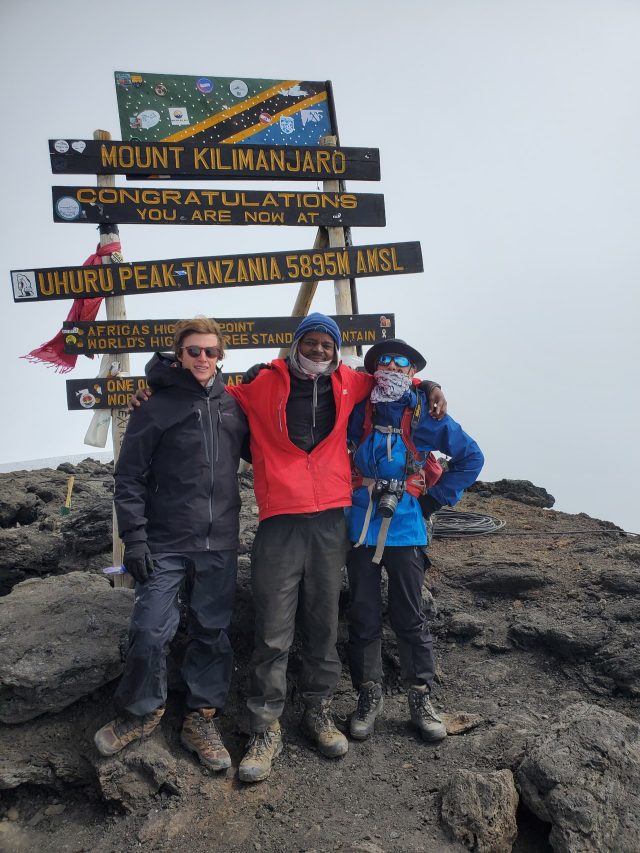
What Is the Success Rate of the 6 Days Rongai Route?
The six-day Rongai Route is sometimes advertised with summit success estimates of approximately 60–75%. However, these figures vary between trekking operators and are not a verified, mountain-wide success rate.
There is no consistently published official summit success percentage specifically for the six-day Rongai itinerary. Actual outcomes depend on the climbers, weather, acclimatization schedule, and how success is measured.
| Success Rate Information | Details |
|---|---|
| Route | Rongai Route |
| Duration | 6 Days / 5 Nights |
| Summit Destination | Uhuru Peak (5,895 m) |
| Official Six-Day Success Rate | Not consistently published |
| Commonly Advertised Estimates | Approximately 60–75%, not independently verified |
| Main Success Factor | Adequate acclimatization and individual altitude response |
| Trekking Difficulty | Challenging |
| Recommended Fitness | Good physical fitness |
| Longer Alternative | 7 Days Rongai Route |
| Tour Operator | Kilinge Adventures |
Note:No trekking operator can guarantee summit success. A longer itinerary generally provides more time to acclimatize and can improve the likelihood of reaching the summit safely.
Key Highlights of the 6 Days Rongai Route
-
Explore Kilimanjaro from its scenic northern approach.
-
Experience relatively peaceful trekking trails.
-
Enjoy spectacular views of Mawenzi Peak and Kibo.
-
Discover beautiful rainforest, moorland, and alpine desert landscapes.
-
Attempt to reach Uhuru Peak at 5,895 meters.
-
Experience five nights of mountain camping.
-
Trek with professional mountain guides, cooks, and porters.
-
Descend through the beautiful Marangu Route rainforest.
6 Days Rongai Route – Tour Facts
| Tour Information | Details |
|---|---|
| Tour Name | 6 Days Rongai Route Kilimanjaro Climb |
| Destination | Mount Kilimanjaro, Tanzania |
| Duration | 6 Days / 5 Nights |
| Starting Point | Rongai Gate (Nalemoru) |
| Ending Point | Marangu Gate |
| Highest Elevation | Uhuru Peak – 5,895 m |
| Trekking Difficulty | Challenging |
| Accommodation | Mountain camping tents |
| Trekking Type | Guided mountain climb |
| Main Activities | Hiking, camping, summit attempt |
| Best Climbing Months | January–February and June–October |
| Tour Operator | Kilinge Adventures |
Factors Affecting the 6 Days Rongai Route Success Rate
| Factor | How It Affects Summit Success |
|---|---|
| Acclimatization | Gradual adjustment to altitude reduces the risk of altitude sickness. |
| Physical fitness | Good endurance helps climbers manage long hiking days. |
| Trekking pace | Walking slowly helps conserve energy and supports acclimatization. |
| Weather conditions | Extreme cold, wind, snow, and rain can make summit attempts more difficult. |
| Hydration and nutrition | Adequate fluids and meals support physical performance. |
| Mountain guidance | Experienced guides help monitor climbers and respond to safety concerns. |
| Previous altitude experience | Helps trekkers understand their personal response, although it does not guarantee success. |
| Route duration | Additional trekking days provide more opportunities for acclimatization. |
6 Days vs 7 Days Rongai Route Success Rate
The most important difference between the six-day and seven-day Rongai Route is the amount of time available for acclimatization.
| Comparison | 6 Days Rongai | 7 Days Rongai |
|---|---|---|
| Duration | 6 days | 7 days |
| Summit Destination | Uhuru Peak | Uhuru Peak |
| Acclimatization Time | Limited | More generous |
| Trekking Pace | More demanding | Generally more gradual |
| Altitude Adjustment | Faster itinerary | Additional adjustment time |
| Summit Success Potential | Generally lower | Generally higher |
| Best Suited For | Fit, well-prepared trekkers with limited time | Trekkers prioritizing acclimatization |
| Recommendation | Possible with careful preparation | Preferred when time and budget allow |
Our recommendation: If your schedule allows, consider the seven-day Rongai Route for additional acclimatization time. The extra day cannot guarantee success, but it can provide a more favorable altitude-adjustment schedule.
How to Improve Your Chances of Reaching Uhuru Peak
Although no preparation can guarantee summit success, several practical measures can improve your trekking experience and help manage altitude-related risks.
-
Choose adequate acclimatization time. Consider a seven-day itinerary instead of six days, especially if you have limited high-altitude experience.
-
Train before your climb. Practice long hikes, hill walking, and endurance exercises to prepare for demanding trekking days.
-
Maintain a slow trekking pace. Follow your mountain guide’s instructions and avoid unnecessary exertion.
-
Stay hydrated and eat regularly. Drink sufficient water and maintain your energy throughout the climb.
-
Use appropriate mountain equipment. Bring insulated clothing, waterproof layers, suitable boots, gloves, and a reliable sleeping bag.
-
Report altitude symptoms immediately. Headache, nausea, dizziness, or unusual fatigue should be discussed with your guide. Do not continue ascending with worsening symptoms.
-
Seek medical advice before departure. A qualified clinician can advise about altitude illness prevention and whether medication such as acetazolamide is appropriate.
Best Time for the 6 Days Rongai Route Climb
The Rongai Route is accessible throughout the year, although the generally drier periods offer more favorable trekking conditions.
| Recommended Months | Typical Conditions |
|---|---|
| January | Often relatively dry with good mountain visibility |
| February | Generally favorable trekking conditions |
| June | Beginning of the main dry season, with cooler temperatures |
| July | Usually dry, with cold nights |
| August | Favorable conditions and relatively clear skies |
| September | Often dry with good visibility |
| October | Generally suitable early in the month, with increasing rainfall risk later |
Best overall periods: January–February and July–September. These months often provide favorable conditions, although weather remains unpredictable and cannot guarantee a successful summit attempt.
Why Choose Kilinge Adventures for Your Rongai Route Climb?
Choosing a professional trekking operator is an important part of planning your Kilimanjaro adventure.
At Kilinge Adventures, we aim to provide memorable mountain experiences through organized logistics, experienced local support, and responsible trekking practices.
Our approach focuses on:
-
Experienced local guides: Guidance from mountain professionals familiar with Kilimanjaro’s terrain and changing conditions.
-
Altitude awareness: Attention to trekking pace, acclimatization, and early identification of altitude-related symptoms.
-
Personalized trekking packages: Private and group arrangements according to travel preferences and availability.
-
Organized mountain services: Camping equipment, meals, transportation, and mountain crew coordination.
-
Authentic Tanzanian hospitality: An opportunity to explore Kilimanjaro with local mountain professionals.
Frequently Asked Questions
1. What is the success rate of the 6 Days Rongai Route?
There is no verified official success rate specifically for the six-day Rongai itinerary. One operator, Kilimania Adventure, reports a 64% six-day summit rate from its own internal records, but this is not an industry-wide figure and should not be presented as Kilinge Adventures’ success rate.
2. Is the 7 Days Rongai Route more successful than the 6 Days Rongai Route?
A seven-day itinerary generally offers better acclimatization opportunities, which can improve the chances of completing the climb safely. However, individual summit outcomes vary.
3. Is the Rongai Route suitable for beginners?
Yes, physically prepared beginners can attempt Rongai, but high altitude remains a serious challenge. A longer itinerary is preferable for additional acclimatization.
4. What is the biggest challenge on the six-day Rongai Route?
The biggest challenges are rapid altitude gain, limited acclimatization time, cold summit conditions, and the long summit-day ascent and descent.
5. Does good physical fitness guarantee summit success?
No. Fitness helps climbers manage physical exertion, but it does not guarantee acclimatization or prevent altitude sickness.
6. When is the summit attempt scheduled?
The summit attempt normally begins around midnight on Day 5, starting from Kibo Hut and ascending toward Gilman’s Point and Uhuru Peak.
7. Can altitude sickness prevent a climber from reaching the summit?
Yes. Altitude illness can require a climber to stop ascending or descend immediately, depending on symptom severity. Safety must take priority over reaching the summit.
8. Can I book a private Rongai Route climb with Kilinge Adventures?
Private climbing arrangements can be requested based on your preferred dates, group size, and confirmed package availability.
Book Your 6 Days Rongai Route Kilimanjaro Adventure
Are you ready to challenge yourself on Africa’s highest mountain?
Experience the spectacular northern slopes of Mount Kilimanjaro with Kilinge Adventures. Our six-day Rongai Route trekking experience offers beautiful scenery, professional mountain support, and an unforgettable opportunity to attempt Uhuru Peak.
Whether you are planning your first Kilimanjaro climb or returning for another mountain adventure, our team can help you choose an itinerary suited to your experience, preparation, and available time.
Contact Kilinge Adventures today to request your climbing dates, package details, and personalized quotation.
Book this Tour with Kilinge Adventures
Apart from this, you may read and write some reviews for us from Safari Bookings.
- Day 1
- Day 2
- Day 3
- Day 4
- Day 5
- Day 6
Rongai Gate to Simba Camp
| Trekking Details | Information |
|---|---|
| Route | Rongai Gate → Simba Camp |
| Elevation | 1,950 m → 2,625 m |
| Distance | Approximately 7 km |
| Hiking Time | 3–4 hours |
| Accommodation | Simba Camp |
| Meals | Lunch and dinner |
Simba Camp to Kikelewa Camp
| Trekking Details | Information |
|---|---|
| Route | Simba Camp → Kikelewa Camp |
| Elevation | 2,625 m → 3,600 m |
| Distance | Approximately 11–12 km |
| Hiking Time | 6–7 hours |
| Accommodation | Kikelewa Camp |
| Meals | Breakfast, lunch and dinner |
Kikelewa Camp to Mawenzi Tarn Camp
| Trekking Details | Information |
|---|---|
| Route | Kikelewa → Mawenzi Tarn |
| Elevation | 3,600 m → 4,315 m |
| Distance | Approximately 5 km |
| Hiking Time | 3–5 hours |
| Accommodation | Mawenzi Tarn Camp |
| Meals | Breakfast, lunch and dinner |
Mawenzi Tarn Camp to Kibo Hut
| Trekking Details | Information |
|---|---|
| Route | Mawenzi Tarn → Kibo Hut |
| Elevation | 4,315 m → 4,700 m |
| Distance | Approximately 8–9 km |
| Hiking Time | 4–6 hours |
| Accommodation | Camping near Kibo Hut |
| Meals | Breakfast, lunch and dinner |
Kibo Hut to Uhuru Peak, Then Horombo Camp
| Trekking Details | Information |
|---|---|
| Route | Kibo Hut → Uhuru Peak → Horombo Camp |
| Starting Elevation | 4,700 m |
| Summit Elevation | 5,895 m |
| Ending Elevation | 3,720 m |
| Distance | Approximately 20–22 km |
| Hiking Time | 11–15 hours |
| Accommodation | Horombo Camp |
| Meals | Breakfast, lunch and dinner |
Horombo Camp to Marangu Gate
| Trekking Details | Information |
|---|---|
| Route | Horombo Camp → Marangu Gate |
| Elevation | 3,720 m → 1,860 m |
| Distance | Approximately 20 km |
| Hiking Time | 5–7 hours |
| Accommodation | Hotel by separate arrangement |
| Meals | Breakfast and lunch |