Best Kilimanjaro acclimatization Join with Friends
- Trip Overview
- Trip Itinerary
What's included
- All meals included
- All mentioned activities
- Lunch box
- Medically qualified mountain guides, cooks and porters
- Oxygen Cylinder
- Professionally guided tour
- Alcoholic and soft drinks
- Entry visa for Tanzania
- Laundry Services
- Other International flights
- Personal expenses
- Services not specifically stated in the itinerary
- Tips to mountain crew
6 Days Rongai Route Acclimatization Guide
Overview
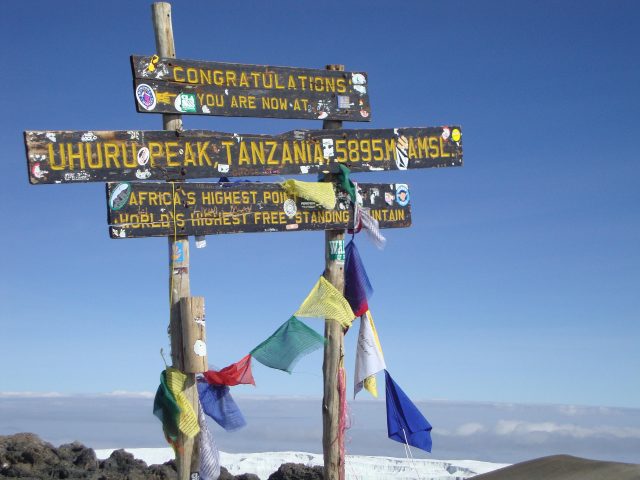
The 6 Days Rongai Route Acclimatization experience is an essential part of preparing for a successful Mount Kilimanjaro climb. As trekkers ascend from the northern slopes of Africa’s highest mountain toward Uhuru Peak at 5,895 meters, their bodies must gradually adapt to decreasing oxygen availability at higher elevations.
The Rongai Route is known for its relatively quiet trails, beautiful mountain landscapes, and generally drier northern approach. However, reaching the summit requires more than physical fitness. Proper acclimatization, careful pacing, adequate rest, and awareness of altitude sickness are essential for a safer and more comfortable trekking experience.
During this six-day journey, climbers travel through different vegetation zones, from montane forest and moorland to alpine desert and the freezing summit environment. Each day introduces new elevations that challenge the body’s ability to adjust.
With Kilinge Adventures, travelers can explore the Rongai Route while receiving guidance on altitude awareness, trekking preparation, and responsible mountain climbing practices.
6 Days Rongai Route Acclimatization Tour Facts
| Tour Information | Details |
|---|---|
| Destination | Mount Kilimanjaro, Tanzania |
| Trekking Route | Rongai Route |
| Duration | 6 Days / 5 Nights |
| Starting Point | Rongai Gate |
| Finishing Point | Marangu Gate |
| Starting Altitude | Approximately 1,950 m |
| Highest Altitude | Uhuru Peak – 5,895 m |
| Accommodation | Mountain camping and huts during descent |
| Difficulty | Challenging |
| Acclimatization Time | Limited compared with longer itineraries |
| Main Challenge | Rapid altitude gain and summit-day exertion |
| Best Climbing Periods | January–February and June–October |
| Tour Operator | Kilinge Adventures |
What Is Acclimatization on the Rongai Route?
Acclimatization is the natural process through which the human body adjusts to lower oxygen availability as altitude increases.
Although the percentage of oxygen in the air remains approximately the same, atmospheric pressure decreases at higher elevations. This reduces the amount of oxygen available to the body with each breath.
During a Kilimanjaro climb, the body responds by increasing breathing and making other physiological adjustments. These changes require time, which is why climbing gradually and allowing sufficient rest are important.
On the six-day Rongai Route, acclimatization is particularly important because trekkers ascend from around 1,950 meters to nearly 5,900 meters within a relatively short period.
Why acclimatization matters:
-
Helps the body adjust to reduced oxygen availability.
-
Can reduce the likelihood of altitude-related illness when ascent is appropriately paced.
-
Supports safer decision-making during high-altitude trekking.
-
Allows climbers to recognize how their bodies respond to elevation changes.
-
Helps travelers understand the benefits of longer climbing itineraries.
Acclimatization cannot eliminate altitude sickness, and physical fitness does not guarantee protection.
Rongai Route Acclimatization and Altitude Profile
Approximate overnight elevations, with the summit reached on Day 5 before descending to Horombo Hut.
| Day | Altitude |
|---|---|
| Day 1 | 2600 |
| Day 2 | 3600 |
| Day 3 | 4330 |
| Day 4 | 4700 |
| Day 5 | 3720 |
| Day 6 | 1860 |
Is 6 Days Enough for Rongai Route Acclimatization?
A six-day Rongai Route climb is possible, but it provides a relatively short acclimatization period for a mountain reaching 5,895 meters.
The itinerary includes substantial daily sleeping-altitude gains, particularly between Simba Camp, Kikelewa Camp, and Mawenzi Tarn. This increases the importance of proper preparation and monitoring for altitude sickness.
A seven-day itinerary generally offers a better opportunity to adjust because it can include an additional night and a more gradual ascent schedule.
| Factor | 6 Days Rongai Route | 7 Days Rongai Route |
|---|---|---|
| Duration | 6 days | 7 days |
| Acclimatization Time | Limited | More time available |
| Daily Altitude Gain | Several large gains | Can be more gradual |
| Altitude Sickness Risk | Significant | Still significant, potentially reduced with a suitable itinerary |
| Summit Preparation | Shorter | Additional adjustment time |
| Suitable For | Well-prepared climbers who understand the risks | Generally preferable for climbers seeking more acclimatization time |
How to Improve Acclimatization on the Rongai Route
Successful altitude adjustment depends on careful planning and recognizing the body’s response to elevation.
-
Walk slowly: Maintain a comfortable pace and avoid unnecessary physical exertion.
-
Stay hydrated: Drink regularly according to thirst and exertion, without forcing excessive water intake.
-
Eat balanced meals: Adequate energy intake supports trekking performance.
-
Communicate symptoms: Report headaches, dizziness, nausea, or unusual fatigue immediately.
-
Get adequate rest: Sleep and recovery are important throughout the expedition.
-
Consider a longer itinerary: Additional acclimatization time can improve the ascent profile.
-
Discuss altitude medication: Seek advice from a qualified healthcare professional about whether preventive medication such as acetazolamide is appropriate.
Understanding Altitude Sickness on Kilimanjaro
Altitude sickness is one of the most important health considerations for anyone climbing Mount Kilimanjaro.
Acute Mountain Sickness (AMS) can develop after ascending to higher elevations, particularly when the body has insufficient time to acclimatize.
| Symptoms | What Climbers Should Do |
|---|---|
| Headache, nausea, dizziness, unusual fatigue | Report symptoms, stop further ascent, and obtain guide assessment |
| Persistent or worsening AMS symptoms | Descend with assistance and seek medical advice |
| Confusion, loss of coordination, severe breathlessness at rest | Treat as an emergency, descend immediately with assistance, and obtain urgent medical care |
Climbers should never continue ascending while experiencing symptoms of altitude sickness. Severe altitude illness can be life-threatening and requires immediate action.
Best Time for the 6 Days Rongai Route Climb
Although acclimatization depends primarily on altitude exposure and ascent rate, weather conditions can influence trekking comfort and overall mountain safety.
| Climbing Period | General Conditions |
|---|---|
| January–February | Often relatively dry, with good climbing opportunities |
| June–October | Generally drier, with cold nights and possible strong winds |
Why Choose Kilinge Adventures for Your Rongai Route Trek?
Planning a Kilimanjaro expedition involves more than selecting a climbing route. Understanding altitude challenges, choosing a suitable itinerary, and preparing for changing mountain conditions are essential parts of the experience.
Kilinge Adventures can help travelers plan a Rongai Route journey with attention to:
-
Appropriate trekking schedules and route selection.
-
Altitude awareness and mountain preparation.
-
Professional mountain guiding arrangements.
-
Equipment and clothing recommendations.
-
Responsible trekking practices and summit decision-making.
Whether you are considering a six-day adventure or prefer a longer itinerary, choosing a route that matches your experience, fitness, and available time is an important first step.
Frequently Asked Questions
Is the 6 Days Rongai Route good for acclimatization?
It provides some time for altitude adjustment, but the ascent is relatively rapid. A longer itinerary generally offers better acclimatization opportunities.
What is the hardest day for acclimatization?
Summit day is usually the most demanding because climbers reach 5,895 meters after a short period at high altitude. Earlier days with large sleeping-altitude gains also present important risks.
Can beginners climb the six-day Rongai Route?
Some well-prepared first-time climbers attempt it, but beginners should understand the demands of high altitude. A seven-day or longer itinerary is generally a more suitable choice.
Does the Rongai Route follow the climb-high, sleep-low principle?
Not consistently on this six-day variation. Some longer itineraries include opportunities to ascend to a higher point before returning to a lower sleeping elevation.
Can drinking more water prevent altitude sickness?
Adequate hydration is important, but drinking excessive water does not prevent altitude sickness. Gradual ascent and appropriate acclimatization time are more important.
What happens if I develop altitude sickness?
Inform your guide immediately. Further ascent should stop, and descent may be necessary. Severe symptoms require emergency descent and urgent medical attention.
Book Route with Kilinge Adventures
Discover the spectacular northern landscapes of Mount Kilimanjaro while preparing for one of Africa’s most rewarding high-altitude adventures.
At Kilinge Adventures, we encourage travelers to understand the importance of acclimatization and select climbing itineraries that suit their preparation, experience, and available time.
Contact Kilinge Adventures today to discuss your Rongai Route itinerary, climbing dates, altitude preparation, and suitable trekking options.
Book this Tour with Kilinge Adventures
Apart from this, you may read and write some reviews for us from Safari Bookings.
- Day 1
- Day 2
- Day 3
- Day 4
- Day 5
- Day 6
Rongai Gate to Simba Camp
Your Kilimanjaro adventure begins at Rongai Gate, near the Kenyan border. After registration and a briefing from your mountain guide, the journey follows a gradually ascending trail through farmland and forest vegetation. The relatively moderate trekking conditions provide an opportunity to settle into a comfortable walking rhythm before reaching Simba Camp. Acclimatization experience: At approximately 2,600 meters, some trekkers may begin to notice changes in breathing, especially during physical activity. A steady pace and appropriate hydration are important. Overnight: Simba Camp – Camping.
Simba Camp to Kikelewa Camp
After breakfast, continue across open moorland with scenic views of Kilimanjaro's northern landscapes. The trail passes the Second Cave area before heading toward Kikelewa Camp.
As the elevation increases, vegetation becomes sparser and the air noticeably cooler.
Acclimatization experience: This day involves approximately 1,000 meters of sleeping-altitude gain, which is substantial. Headache, nausea, unusual fatigue, or dizziness should be reported immediately to your guide rather than dismissed as ordinary tiredness.
Overnight: Kikelewa Camp – Camping.
Kikelewa Camp to Mawenzi Tarn Camp
The third day takes climbers up steeper slopes toward Mawenzi Tarn Camp, situated beneath the dramatic rocky formations of Mawenzi Peak.
Although the trekking distance is relatively short, the altitude gain remains significant. The afternoon is generally spent resting and preparing for the next stage.
Acclimatization experience: Sleeping above 4,000 meters can be difficult for some trekkers. Guides should assess symptoms and overall condition carefully. An optional acclimatization walk should only be considered when the climber is well and the guide considers it appropriate.
Overnight: Mawenzi Tarn Camp – Camping.
Mawenzi Tarn Camp to Kibo Hut
Today's journey crosses the impressive alpine desert known as the Saddle, stretching between Mawenzi and Kibo.
The exposed terrain provides sweeping views of Kilimanjaro's volcanic landscape. Upon reaching Kibo Hut, climbers rest and prepare their equipment for the summit attempt.
Acclimatization experience: At this elevation, oxygen availability is substantially lower than at sea level. The relatively short time available for adjustment makes careful health assessment especially important. Climbers with symptoms of altitude sickness should not continue ascending until properly assessed.
Overnight: Kibo Hut – Mountain hut.
Kibo Hut to Uhuru Peak, Then Horombo Hut
Horombo Hut to Marangu Gate
The final day follows the Marangu Route downhill through moorland and lush rainforest.
As climbers descend, atmospheric pressure increases and oxygen becomes more readily available. The journey concludes at Marangu Gate, followed by a transfer to Moshi.
Acclimatization experience: Descending to lower elevations generally helps relieve mild altitude-related symptoms. However, serious or persistent symptoms require medical assessment and must not be ignored.