Best Kilimanjaro acclimatization Join with Friends
- Trip Overview
- Trip Itinerary
What's included
- 3-4 porters per climber, which includes porters to carry up to 30 lbs of your personal gear.
- All meals included
- Government imposed increase of taxes and /or park fees
- Hot water for washing up daily and treated water for drink while climbing.
- Medically qualified mountain guides, cooks and porters
- Professionally guided tour
- Alcoholic and soft drinks
- Entry visa for Tanzania
- Laundry Services
- Other International flights
- Personal expenses
- Tips to guide and driver
- Tips to mountain crew
- Visa arrangements
Best 5 Days Marangu Route Operator 2026/2027
Explore Africa’s highest mountain with Kilinge Adventures, a Tanzania-based tour operator offering guided Kilimanjaro trekking experiences. The Best 5 Days Marangu Route Tour Operator package introduces travelers to one of Mount Kilimanjaro’s most established climbing trails, combining scenic mountain landscapes, permanent hut accommodation, and a challenging journey toward Uhuru Peak.
The Marangu Route, popularly called the Coca-Cola Route, approaches Mount Kilimanjaro from the southeastern side. It is particularly well known for its mountain huts, which provide sheltered overnight accommodation instead of the tents used on many other Kilimanjaro routes.
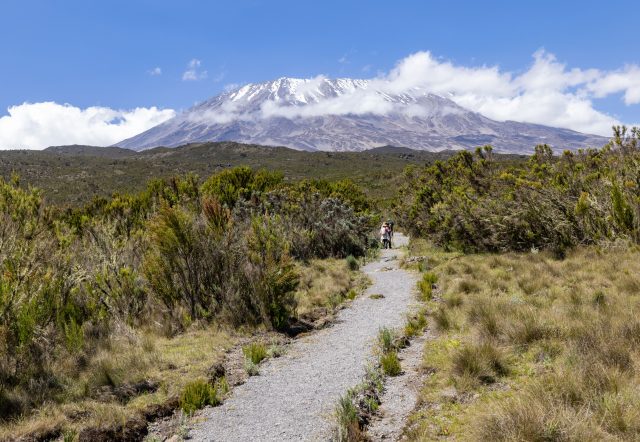
Over five days, trekkers travel through lush tropical rainforest, open moorland, rocky alpine desert, and the cold summit environment. The changing landscape makes the journey memorable, with opportunities to admire Mawenzi Peak, discover unusual mountain vegetation, and experience the dramatic volcanic scenery surrounding Kibo.
The ultimate objective is Uhuru Peak, standing at 5,895 meters above sea level. Reaching this altitude requires physical endurance, appropriate preparation, and careful attention to acclimatization. The five-day itinerary is relatively short, making it more demanding in terms of altitude adjustment than longer Kilimanjaro routes.
Kilinge Adventures can help travelers plan their climb, understand the itinerary, and arrange suitable mountain services according to their travel requirements.
5 Days Marangu Route Tour Facts
| Tour Information | Details |
|---|---|
| Tour Name | Best 5 Days Marangu Route Tour Operator |
| Tour Operator | Kilinge Adventures |
| Destination | Mount Kilimanjaro, Tanzania |
| Duration | 5 Days / 4 Nights |
| Starting Point | Marangu Gate (approximately 1,860 m) |
| Ending Point | Marangu Gate |
| Highest Point | Uhuru Peak (5,895 m) |
| Accommodation | Shared mountain huts |
| Trekking Difficulty | Challenging |
| Tour Category | Guided Kilimanjaro trekking |
| Main Activities | Hiking, mountain exploration, summit attempt |
| Best Climbing Periods | January–March and June–October |
| Departure Location | Usually Moshi, Tanzania |
| Suitable Travelers | Physically prepared hikers with an understanding of altitude risks |
Key Highlights of the 5 Days Marangu Route
-
Uhuru Peak Adventure: Attempt to reach the highest point on Mount Kilimanjaro and the African continent.
-
Comfortable Shelter: Sleep in established mountain huts at Mandara, Horombo, and Kibo rather than camping in tents.
-
Diverse Mountain Environments: Experience tropical rainforest, heathland, moorland, alpine desert, and high-altitude summit terrain.
-
Remarkable Mountain Views: Admire Kibo, Mawenzi, and the surrounding landscapes when visibility permits.
-
Experienced Mountain Support: Arrange guided trekking with a support crew responsible for important expedition services.
-
Unique Summit Experience: Begin the final ascent at night and, if conditions allow, witness sunrise from Kilimanjaro’s upper slopes.
-
Local Tanzanian Experience: Explore one of Tanzania’s most recognized natural attractions with a locally based operator.
Why Choose Kilinge Adventures as Your Marangu Route Tour Operator?
Selecting a suitable trekking company is an important part of planning a Kilimanjaro expedition. A tour operator helps coordinate the practical requirements of the climb, including route arrangements, guides, accommodation, meals, transportation, and communication before departure.
Local Kilimanjaro Trekking Knowledge
Kilinge Adventures is based in Tanzania, providing travelers with a local point of contact when organizing their Kilimanjaro journey. Local knowledge is valuable when discussing mountain routes, travel logistics, seasonal conditions, and trekking preparations.
Organized Trekking Arrangements
A well-planned mountain expedition requires coordination between the trekking team, accommodation facilities, park authorities, and transportation providers. Travelers can discuss these arrangements with Kilinge Adventures to understand what is included in their selected package.
Guidance for First-Time Kilimanjaro Climbers
Travelers who have never climbed Kilimanjaro often need clear information about equipment, weather, altitude, and physical preparation. Understanding these requirements before departure helps climbers make informed decisions about their journey.
Flexible Travel Planning
Different visitors may prefer private departures or shared trekking groups. Kilinge Adventures can discuss available travel arrangements based on the visitor’s preferred dates, group size, and trekking requirements.
Focus on Responsible Mountain Travel
Responsible mountain tourism involves respect for Kilimanjaro National Park, proper waste management, appropriate safety procedures, and fair treatment of mountain support staff. These are important standards travelers should discuss with any operator before booking.
Understanding the 5 Days Marangu Route Accommodation
The Marangu Route is unique among Kilimanjaro’s main summit routes because it uses permanent mountain huts rather than tented camps.
These huts provide basic shelter and shared sleeping areas, making them suitable for travelers who prefer an established accommodation structure during their trek.
| Mountain Hut | Altitude | Nights | Accommodation Features |
|---|---|---|---|
| Mandara Hut | 2,720 m | Night 1 | Shared sleeping huts, basic toilets and dining facilities |
| Horombo Hut | 3,720 m | Nights 2 and 4 | Shared accommodation, dining facilities and basic toilets |
| Kibo Hut | Approx. 4,700 m | Night 3 | Basic sleeping facilities near the summit trail |
The huts are not luxury hotels. Climbers should expect shared sleeping arrangements, limited facilities, cold nights, and the need for suitable sleeping bags.
5 Days Marangu Route Difficulty and Altitude Challenges
Although Marangu is sometimes described as one of Kilimanjaro’s easier routes, its five-day itinerary presents significant altitude-related challenges.
The trail itself does not normally require technical climbing equipment, but the ascent to nearly 5,900 meters is physically demanding. The most difficult section is usually the summit attempt from Kibo Hut.
The short itinerary also provides limited time for acclimatization. As a result, altitude sickness is an important consideration, even for travelers with excellent physical fitness.
| Difficulty Factor | What Climbers Should Expect |
|---|---|
| Trail Conditions | Established paths, rocky sections and steep summit slopes |
| Physical Demands | Several consecutive days of long-distance walking |
| Altitude | Reduced oxygen availability as elevation increases |
| Weather | Rain, wind, strong sunshine and freezing summit temperatures |
| Summit Day | Long overnight ascent followed by an extended descent |
| Acclimatization | Limited adjustment time on the five-day itinerary |
Important: A six-day Marangu itinerary provides an additional acclimatization day at Horombo Hut and is generally preferable for climbers who can allow more time.
Best Time to Climb the 5 Days Marangu Route
Mount Kilimanjaro is accessible for climbing throughout the year, but weather patterns can influence trekking comfort, trail conditions, and visibility.
The most popular periods are generally January to March and June to October, when conditions tend to be relatively dry compared with the main rainy seasons.
| Climbing Period | Typical Conditions | Suitability |
|---|---|---|
| January–March | Relatively dry periods, with occasional rain | Recommended |
| June–October | Generally drier weather and colder nights | Recommended |
| April–May | Long rainy season with wet trails | Less favorable |
| November–December | Variable conditions and short rains | Less predictable |
Even during the dry seasons, summit temperatures can fall below freezing, and weather conditions can change rapidly.
Essential Packing List for the 5 Days Marangu Route
Proper equipment is essential for a safe and comfortable mountain experience. Although Marangu uses huts, climbers must still prepare for rain, strong winds, and freezing summit temperatures.
| Packing Category | Recommended Equipment |
|---|---|
| Hiking Clothing | Moisture-wicking shirts, hiking trousers, fleece |
| Warm Clothing | Thermal layers, insulated jacket, warm hat |
| Rain Protection | Waterproof jacket and trousers |
| Footwear | Waterproof hiking boots and warm hiking socks |
| Sleeping Equipment | Warm sleeping bag |
| Hiking Accessories | Trekking poles, headlamp, daypack |
| Sun Protection | Sunglasses, sunscreen, sun hat |
| Hydration | Water bottles or hydration system |
| Personal Essentials | Toiletries, personal medication, first-aid items |
| Travel Documents | Passport, visa where required, insurance details |
How to Prepare for Your Marangu Route Kilimanjaro Climb
- Preparing for the Marangu Route should involve physical conditioning, equipment planning, and understanding the challenges associated with high-altitude trekking.
- Travelers are encouraged to begin regular walking and cardiovascular exercise several weeks before departure. Hiking on hills, climbing stairs, and practicing with a daypack can help improve endurance.
- Climbers should also become familiar with the equipment they intend to use. Hiking boots should be properly fitted and worn before the trip to reduce the likelihood of blisters.
- Before traveling, it is advisable to consult a qualified healthcare professional about altitude-related risks and any relevant medical conditions.
- During the trek, climbers should maintain a manageable walking pace, eat regularly, stay appropriately hydrated, and report symptoms of altitude sickness to their guide immediately.
5 Days vs. 6 Days Marangu Route: Which Is Better?
Travelers often compare the five-day and six-day Marangu itineraries before making a booking decision.
Both routes follow the same general trail and aim to reach Uhuru Peak. The main difference is the additional acclimatization day included in the six-day option.
| Comparison | 5 Days Marangu Route | 6 Days Marangu Route |
|---|---|---|
| Duration | 5 days | 6 days |
| Accommodation | Mountain huts | Mountain huts |
| Summit Destination | Uhuru Peak | Uhuru Peak |
| Extra Acclimatization Day | No | Yes, at Horombo Hut |
| Altitude Adjustment | More limited | More gradual |
| Physical Demands | Challenging | Challenging |
| Suitable Travelers | Prepared climbers with limited time | Climbers seeking additional acclimatization time |
The six-day itinerary is generally recommended when travelers have sufficient time because the extra day provides a better opportunity to adjust to the mountain’s altitude. Neither itinerary guarantees summit success.
Frequently Asked Questions About the 5 Days Marangu Route
Is the 5 Days Marangu Route suitable for beginners?
It can be attempted by physically prepared beginners, but the rapid altitude gain makes it challenging. Travelers without high-altitude experience should strongly consider a longer itinerary.
Can I reach Uhuru Peak in five days?
Yes. The standard five-day itinerary includes a summit attempt on Day 4, but reaching Uhuru Peak depends on health, weather, acclimatization, and individual fitness.
Do I need to carry camping equipment?
No camping tent is normally required because the Marangu Route uses permanent mountain huts. However, climbers still need suitable personal trekking equipment and a warm sleeping bag.
What is the highest point of the Marangu Route?
The highest destination is Uhuru Peak, located at 5,895 meters above sea level.
How cold does Kilimanjaro get during the climb?
Temperatures vary considerably with altitude and season. The summit area can experience freezing temperatures, strong winds, and severe wind chill, particularly during nighttime ascents.
How many nights are spent on the mountain?
The five-day itinerary includes four nights in mountain huts: one at Mandara, two at Horombo, and one at Kibo.
What makes Marangu different from other Kilimanjaro routes?
Its main distinguishing feature is permanent hut accommodation. It also uses the same general trail for ascent and descent, unlike several routes that follow different descent paths.
How can I book the 5 Days Marangu Route with Kilinge Adventures?
Contact Kilinge Adventures with your preferred travel dates, number of travelers, and any special requirements. Before confirming, request the current package price, detailed inclusions, guide and safety arrangements, and booking terms.
Book Your 5 Days Marangu Route Kilimanjaro Climb with Kilinge Adventures
Take the opportunity to discover Mount Kilimanjaro through one of its most established trekking routes. From the lush rainforest near Marangu Gate to the remarkable high-altitude landscapes surrounding Kibo, this five-day journey offers a memorable introduction to Tanzania’s most famous mountain.
With Kilinge Adventures, travelers can explore available trekking arrangements, receive information about the route, and plan a Kilimanjaro experience that matches their travel goals and preparation.
Whether you are traveling independently, with friends, or as part of a private group, the Marangu Route offers a rewarding mountain adventure for those ready to accept its physical and altitude-related challenges.
Contact Kilinge Adventures today to discuss your 5 Days Marangu Route Kilimanjaro climb for 2026/2027 and begin planning your mountain adventure.
Book this Tour with Kilinge Adventures
Apart from this, you may read and write some reviews for us from Safari Bookings.
Also, you may read and write reviews for us from TripAdvisor
- Day 1
- Day 2
- Day 3
- Day 4
- Day 5
Marangu Gate to Mandara Hut – Journey Through the Rainforest
After registration, the trek begins along a well-established path through Kilimanjaro's tropical rainforest. This lower section of the mountain features tall indigenous trees, thick vegetation, moss-covered branches, and a humid forest atmosphere.
As you walk, you may encounter blue monkeys, black-and-white colobus monkeys, and several bird species that inhabit the forest. Your guide can explain the surrounding environment while helping the group maintain a steady walking pace.
After approximately four to five hours, you arrive at Mandara Hut. Here, you can rest, enjoy a prepared evening meal, and settle into your shared mountain accommodation.
| Day 1 Trekking Details | Information |
|---|---|
| Starting Point | Marangu Gate – 1,860 m |
| Destination | Mandara Hut – 2,720 m |
| Hiking Distance | Approximately 8 km |
| Walking Duration | 4–5 hours |
| Vegetation Zone | Tropical rainforest |
| Accommodation | Mandara Hut |
| Meals | Lunch and dinner |
Mandara Hut to Horombo Hut – Exploring Kilimanjaro's Moorland
During this section, climbers can observe how the mountain environment changes with increasing altitude. Shrubs, grasses, and distinctive high-altitude plants replace the tall rainforest trees. On clear days, the impressive peaks of Mawenzi and Kibo become visible.
The ascent requires a consistent walking rhythm, with short breaks for water, snacks, and photographs. Although the path is generally established, the increasing elevation may make the hike feel more demanding than the previous day.
You arrive at Horombo Hut, situated at approximately 3,720 meters, in the afternoon. After settling into your accommodation, you can relax and enjoy the surrounding scenery before dinner.
| Day 2 Trekking Details | Information |
|---|---|
| Starting Point | Mandara Hut – 2,720 m |
| Destination | Horombo Hut – 3,720 m |
| Hiking Distance | Approximately 11–12 km |
| Walking Duration | 5–7 hours |
| Vegetation Zone | Heathland and moorland |
| Accommodation | Horombo Hut |
| Meals | Breakfast, lunch and dinner |
Horombo Hut to Kibo Hut – Crossing the Alpine Desert
The landscape becomes increasingly dry and rocky as you cross the broad Saddle between Mawenzi and Kibo. This section is characterized by sparse vegetation, volcanic rocks, and expansive views of the mountain's upper slopes.
As the elevation increases, walking can become noticeably harder because of the reduced oxygen availability. Your guide will encourage a controlled pace, regular rest periods, and close attention to any symptoms of altitude sickness.
By afternoon, you reach Kibo Hut at approximately 4,700 meters. The remainder of the day is dedicated to resting, eating, preparing warm clothing, and checking essential summit equipment.
Your guide will explain the planned departure time, summit route, and important safety instructions. After an early meal, you rest before beginning the summit attempt around midnight.
| Day 3 Trekking Details | Information |
|---|---|
| Starting Point | Horombo Hut – 3,720 m |
| Destination | Kibo Hut – approximately 4,700 m |
| Hiking Distance | Approximately 9–10 km |
| Walking Duration | 5–7 hours |
| Vegetation Zone | Alpine desert |
| Accommodation | Kibo Hut |
| Meals | Breakfast, lunch and dinner |
Kibo Hut to Uhuru Peak and Descend to Horombo Hut – Summit Day
The trail climbs steeply over loose volcanic scree and rocky terrain toward Gilman's Point, located at approximately 5,685 meters on the crater rim. This section requires patience and endurance because the combination of cold temperatures, altitude, and steep terrain makes progress slow.
From Gilman's Point, climbers who are fit to continue follow the crater rim toward Uhuru Peak. The final section passes through a dramatic high-altitude landscape with views of Kilimanjaro's remaining glaciers and volcanic formations.
Reaching Uhuru Peak at 5,895 meters is a remarkable achievement. However, summit success depends on weather, health, acclimatization, and other conditions. Guides may require climbers to descend earlier if continuing becomes unsafe.
After the summit attempt, you return to Kibo Hut for a short rest and refreshments before continuing down to Horombo Hut. The descent is long, but the lower altitude generally makes breathing more comfortable.
| Day 4 Trekking Details | Information |
|---|---|
| Starting Point | Kibo Hut – approximately 4,700 m |
| Summit Destination | Uhuru Peak – 5,895 m |
| Final Destination | Horombo Hut – 3,720 m |
| Hiking Distance | Approximately 19–21 km |
| Walking Duration | 12–16 hours |
| Main Experience | Summit attempt and mountain descent |
| Accommodation | Horombo Hut |
| Meals | Breakfast, lunch and dinner |
Horombo Hut to Marangu Gate – Final Descent and Departure
As the elevation decreases, the surrounding vegetation becomes denser, and the mountain environment begins to resemble the rainforest encountered during the first day.
Although descending is usually less demanding on breathing than ascending, the long downhill walk can be tiring for the knees and leg muscles. Trekking poles and a steady pace can help maintain comfort.
Upon arrival at Marangu Gate, you complete the park exit procedures. Climbers who reach qualifying summit points may receive the appropriate official summit certificate.
After saying farewell to the mountain crew, your arranged transfer takes you back to Moshi or your agreed destination.
| Day 5 Trekking Details | Information |
|---|---|
| Starting Point | Horombo Hut – 3,720 m |
| Destination | Marangu Gate – 1,860 m |
| Hiking Distance | Approximately 18–20 km |
| Walking Duration | 5–7 hours |
| Vegetation Zone | Moorland and rainforest |
| Accommodation | Not included on the mountain |
| Meals | Breakfast and lunch |