Best Tanzania Safari Join with Friends
- Trip Overview
- Trip Itinerary
What's included
- All meals included
- All mentioned activities
- All park entrances fees
- Lunch box
- Private Jeep 4×4 equipped with refrigerator, portable charging stations and pop-up roof
- Professionally guided tour
- Alcoholic and soft drinks
- Entry visa for Tanzania
- Laundry Services
- Other International flights
- Personal expenses
- Tips to guide and driver
- Visa arrangements
4 Days Tanzania Photography Safari 2026 | Wildlife Photo Tour
Experience the incredible wildlife and landscapes of Tanzania on our 4 Days Tanzania Photography Safari 2026, a carefully designed wildlife photo tour for photographers, nature lovers, and travelers who want to capture the beauty of Africa.
This private photography safari takes you through some of Tanzania’s most rewarding wildlife destinations, including Tarangire National Park, Serengeti National Park, and the Ngorongoro Crater. With experienced safari guides, flexible game drives, and plenty of time for wildlife observation, you will have excellent opportunities to photograph lions, elephants, cheetahs, giraffes, zebras, wildebeest, hippos, birds, and Tanzania’s spectacular landscapes.
Whether you are a professional wildlife photographer or simply passionate about photography, this Tanzania photography safari is designed to give you time and opportunities to create memorable images while enjoying an authentic African safari experience.
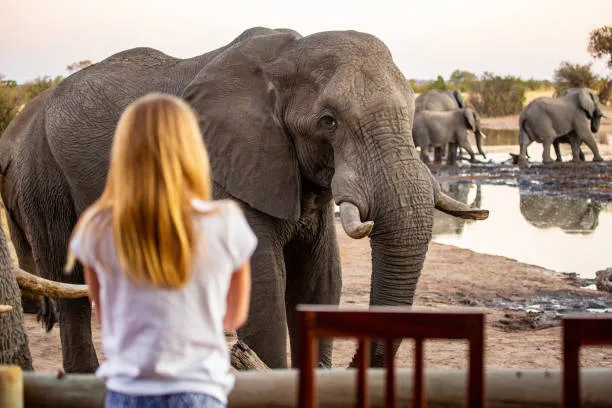
Why Choose Our 4 Days Tanzania Photography Safari?
Tanzania is one of Africa’s premier destinations for wildlife photography. Its diverse ecosystems, abundant wildlife, dramatic landscapes, and changing light provide exceptional subjects throughout the year.
Our 4-day Tanzania wildlife photography safari is designed around photography rather than simply ticking destinations off a list.
You can expect:
-
Extended wildlife viewing and photography opportunities
-
Experienced safari guides who understand animal behavior
-
Private safari vehicle for greater flexibility
-
Early morning and afternoon game drives
-
Opportunities to photograph Africa’s Big Five
-
Stunning Serengeti landscapes and African sunsets
-
Wildlife photography in Tarangire and Ngorongoro
-
A flexible experience suitable for beginners and experienced photographers
Best Wildlife Photography Opportunities
This safari offers opportunities to photograph a wide range of African wildlife, including:
Lions: The Serengeti and Ngorongoro ecosystems are excellent places to photograph lions in their natural environment. Early morning and late afternoon often provide beautiful light for wildlife portraits.
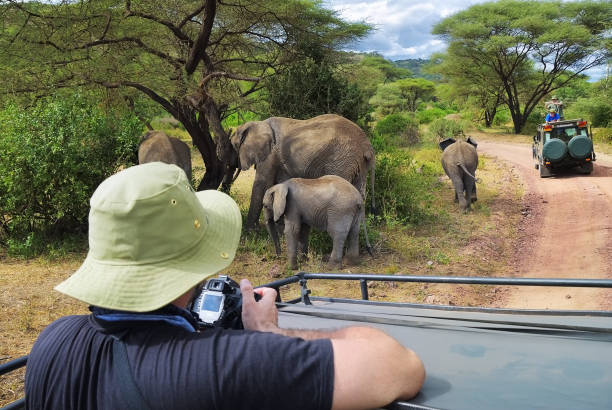
Elephants: Tarangire is particularly well known for its elephant population. Photographing elephants beneath the park’s iconic baobab trees can produce some of the most memorable images of your safari.
Cheetahs: The open plains of the Serengeti provide an excellent environment for spotting and photographing cheetahs. Sightings are never guaranteed, but your guide will search suitable habitats.
Wildebeest and Zebras: Depending on the time of year, large herds can create spectacular photographic scenes across the Serengeti plains.
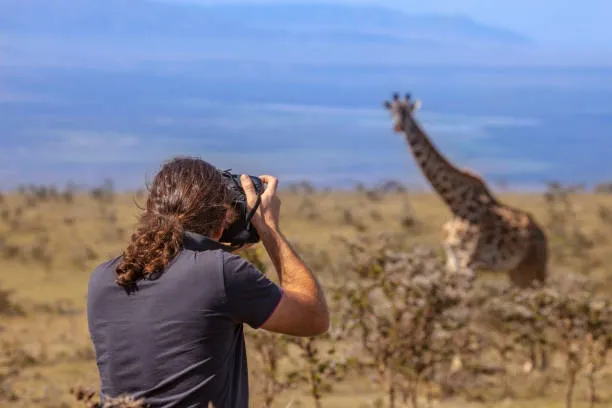
Giraffes: Giraffes are often found across Tanzania’s savannah landscapes and make excellent subjects against open skies and dramatic African scenery.
Birds: Tanzania supports hundreds of bird species, providing photographers with opportunities for bird photography alongside the larger mammals.
Best Time for a 4 Days Tanzania Photography Safari 2026
Tanzania is a year-round photography destination, but the best time depends on what you want to photograph:
-
January–February: Best for wildebeest calving, newborn animals, and predators.
-
March–May: Green landscapes, birds, dramatic skies, and fewer tourists.
-
June–October: Best overall for wildlife photography, with dry weather and excellent wildlife viewing.
-
July–September: Great for the Great Wildebeest Migration and large herds.
-
November–December: Green landscapes, birds, and beautiful sunsets.
Photography-Friendly Safari Experience
A successful wildlife photography safari is about more than finding animals. It is also about having enough time and flexibility to observe behavior and wait for the right photographic moment.
Our safari approach allows you to:
-
Spend time observing wildlife before moving on
-
Look for interesting animal behavior
-
Take advantage of changing natural light
-
Photograph both wildlife and landscapes
-
Use longer lenses safely from the safari vehicle
-
Enjoy sunrise and sunset photography opportunities
-
Ask your guide to spend additional time with interesting sightings when conditions allow
Recommended Camera Equipment
You do not need professional equipment to enjoy this safari, but the following gear can be useful:
-
DSLR or mirrorless camera
-
Telephoto lens for wildlife
-
Wide-angle lens for landscapes
-
Extra batteries
-
Spare memory cards
-
Binoculars
-
Lens cleaning cloth
-
Camera beanbag or other vehicle-support system
-
Power bank or charging equipment
A telephoto lens in the 300–600 mm range can be particularly useful for distant wildlife, while a wide-angle lens is excellent for landscapes and environmental wildlife portraits.
Who Is This Photography Safari For?
This Tanzania wildlife photography tour is suitable for:
-
Wildlife photographers
-
Amateur photographers
-
Professional photographers
-
Nature and wildlife enthusiasts
-
Couples who love photography
-
Small private groups
-
Travelers looking for a personalized safari experience
You do not need to be an experienced photographer. Our guides can help you understand wildlife behavior and find good photographic opportunities while you enjoy the safari at your own pace.
Frequently Asked Questions
Is 4 days enough for a Tanzania photography safari?
Four days can provide an excellent introduction to Tanzania’s wildlife and photography opportunities. This itinerary combines Tarangire, Serengeti, and Ngorongoro to give you a varied safari experience within a limited amount of time.
What animals can I photograph in Tanzania?
Depending on the season and locations visited, you may photograph lions, elephants, cheetahs, giraffes, zebras, wildebeest, buffalo, hippos, hyenas, birds, and many other species.
What is the best camera lens for a Tanzania safari?
A telephoto lens is particularly useful for wildlife photography. Many photographers choose a lens in the 100–400 mm, 200–500 mm, or 150–600 mm range, depending on their camera system and preferences.
Can beginners join this photography safari?
Yes. The safari is suitable for both beginners and experienced photographers. You can enjoy the wildlife experience even if photography is a hobby rather than a profession.
Can the itinerary be customized?
Yes. A private Tanzania photography safari can often be customized around your preferred travel dates, accommodation level, photography interests, and budget.
Is the Great Migration included?
The Great Migration is a natural movement of wildlife, so sightings depend on the time of year and the location of the herds. If photographing the migration is your priority, we recommend planning your safari around seasonal migration patterns.
Book Your 4 Days Tanzania Photography Safari 2026
Ready to experience Tanzania through your camera?
Our 4 Days Tanzania Photography Safari 2026 combines wildlife, landscapes, adventure, and photography across some of Tanzania’s most remarkable destinations.
From elephants beneath Tarangire’s baobabs to predators on the Serengeti plains and wildlife inside the Ngorongoro Crater, every day offers the possibility of capturing extraordinary African wildlife moments.
Contact us today to plan your Tanzania wildlife photography safari.
Book this Tour with Kilinge Adventures
Apart from this, you may read and write some reviews for us from Safari Bookings.
Also, you may read and write reviews for us from TripAdvisor
- Day 1
- Day 2
- Day 3
- Day 4
Arusha to Tarangire National Park
Your Tanzania photography safari begins in Arusha with a morning departure for Tarangire National Park.
Tarangire is famous for its large elephant herds, ancient baobab trees, open grasslands, and diverse birdlife. The park offers excellent opportunities for wildlife photography, especially during game drives along the Tarangire River and surrounding plains.
Keep your camera ready for elephants, giraffes, zebras, wildebeest, impalas, buffalo, and a variety of birds. The combination of wildlife and iconic baobab trees also creates excellent landscape photography opportunities.
After your game drive, continue to your accommodation for dinner and overnight.
Overnight: Tarangire area Meals: Lunch and dinner
Tarangire to Serengeti National Park
After breakfast, travel toward the legendary Serengeti National Park.
As you approach the Serengeti, the landscape opens into vast grasslands that provide one of Africa's most recognizable photographic settings.
Enjoy an afternoon game drive searching for lions, cheetahs, elephants, giraffes, zebras, wildebeest, hyenas, and other wildlife. Your guide will help identify interesting wildlife activity and position the vehicle safely for photography.
Overnight: Serengeti National Park Meals: Breakfast, lunch and dinner
Full-Day Serengeti Wildlife Photography
Today is dedicated to wildlife photography in the Serengeti.
An early morning game drive offers some of the best light of the day, with soft golden tones and active wildlife. Depending on the season and location, you may encounter large herds of wildebeest and zebra as well as predators such as lions, cheetahs, and hyenas.
Take time to photograph wildlife behavior rather than simply collecting sightings. Hunting scenes, family groups, animals interacting, birds in flight, and dramatic landscapes can all create powerful photographs.
Your experienced guide will help you explore areas where wildlife activity is most promising while following responsible wildlife-viewing practices.
Overnight: Serengeti National Park Meals: Breakfast, lunch and dinner
Serengeti to Ngorongoro Crater and Arusha
Start the final day with an early game drive before traveling toward the Ngorongoro Conservation Area.
Descend into the Ngorongoro Crater, a spectacular natural wildlife area surrounded by dramatic crater walls. The crater's grasslands, wetlands, forests, and lake environments support a remarkable variety of wildlife.
You may have opportunities to photograph lions, elephants, buffalo, zebras, hippos, flamingos, and other animals.
After your crater experience and lunch, begin the journey back to Arusha, where your 4 Days Tanzania Photography Safari 2026 comes to an end.
Meals: Breakfast and lunch