Best Kilimanjaro acclimatization Join with Friends
- Trip Overview
- Trip Itinerary
What's included
- All meals included
- All mentioned activities
- All park entrances fees
- Lunch box
- Professionally guided tour
- Alcoholic and soft drinks
- Entry visa for Tanzania
- Laundry Services
- Medical insurance and emergency insurance
- Other International flights
- Personal expenses
- Services not specifically stated in the itinerary
- Tips to mountain crew
6 Days Machame Route Porters | Kilimanjaro
Overview
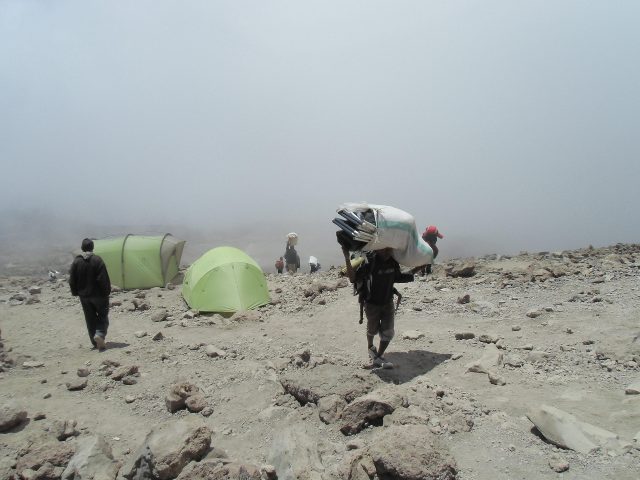
Experience the adventure of climbing Africa’s highest mountain with the 6 Days Machame Route Porters trekking experience, where dedicated mountain porters play an essential role in supporting climbers throughout their Kilimanjaro journey. From transporting camping equipment and luggage to helping establish comfortable mountain campsites, porters are an important part of a well-organized and successful trekking expedition.
The Machame Route, also known as the Whiskey Route, is one of Mount Kilimanjaro’s most scenic and adventurous climbing trails. This six-day journey takes travelers through tropical rainforests, open moorlands, volcanic landscapes, alpine deserts, and the breathtaking summit of Uhuru Peak at 5,895 meters above sea level.
During the expedition, climbers are accompanied by a mountain support team that commonly includes professional guides, assistant guides, cooks, and porters. While climbers carry personal daypacks containing essential items, porters transport designated luggage and shared camping supplies between mountain camps.
With Kilinge Adventures, travelers can explore professionally organized Kilimanjaro trekking arrangements and learn about porter services, luggage preparation, campsite logistics, and responsible mountain tourism.
This six-day Machame Route experience combines spectacular mountain scenery, challenging hiking trails, camping adventures, and the valuable support of Tanzania’s mountain trekking teams.
Key Highlights of the 6 Days Machame Route Porters
-
Experience six days of guided trekking on Mount Kilimanjaro.
-
Benefit from porter assistance with approved luggage and camping equipment.
-
Explore the scenic Machame Route with an organized mountain support team.
-
Trek through Kilimanjaro’s beautiful rainforest, moorland, and alpine environments.
-
Experience the famous Barranco Wall and spectacular Shira Plateau.
-
Enjoy five nights of mountain camping at designated campsites.
-
Learn about the important responsibilities of Kilimanjaro mountain porters.
-
Experience the climb-high, sleep-low acclimatization approach near Lava Tower.
-
Attempt to reach Uhuru Peak at 5,895 meters, Africa’s highest point.
-
Support responsible mountain tourism and fair treatment of trekking crews.
6 Days Machame Route Porters Tour Facts
| Tour Information | Details |
|---|---|
| Tour Name | 6 Days Machame Route Porters |
| Destination | Mount Kilimanjaro, Tanzania |
| Trekking Route | Machame Route |
| Duration | 6 Days / 5 Nights |
| Starting Point | Machame Gate |
| Ending Point | Mweka Gate |
| Highest Point | Uhuru Peak – 5,895 m |
| Trekking Style | Guided Camping Expedition |
| Accommodation | Mountain Camping Tents |
| Porter Services | Luggage and camping equipment transport |
| Personal Daypack | Carried by the climber |
| Trekking Difficulty | Challenging |
| Best Time to Climb | January–March and June–October |
| Tour Operator | Kilinge Adventures |
Understanding the Role of Kilimanjaro Porters
Kilimanjaro porters are essential members of the mountain trekking industry.
Their responsibilities extend beyond simply carrying bags. They help transport camping supplies, organize expedition equipment, and support the daily logistics required for multi-day mountain climbing.
Main Responsibilities of Machame Route Porters
| Porter Responsibility | Description |
|---|---|
| Luggage Transportation | Carry approved personal luggage between campsites |
| Camping Equipment | Transport sleeping tents and other shared equipment |
| Kitchen Supplies | Carry designated cooking equipment and food supplies |
| Campsite Setup | Assist with tent setup and campsite organization |
| Equipment Management | Help pack and organize expedition supplies |
| Campsite Breakdown | Assist with dismantling and packing equipment |
| Waste Management | Support responsible handling and transportation of designated waste |
| Expedition Logistics | Coordinate equipment movements with the mountain team |
Porter duties vary depending on the trekking operator, crew assignments, and expedition arrangements.
How Much Weight Can Kilimanjaro Porters Carry?
Porter load limits are an important part of responsible Kilimanjaro trekking.
On Kilimanjaro, the commonly applied maximum porter load is 20 kilograms, excluding the porter’s personal gear, subject to current park requirements and operational rules.
Operators must ensure that loads are weighed appropriately and that porters are not overloaded.
Climbers should also understand the difference between the maximum total porter load and the personal luggage allowance provided by their trekking operator.
| Luggage Category | Typical Arrangement |
|---|---|
| Personal Duffel Bag | Often limited to approximately 15 kg per climber |
| Shared Camping Equipment | Distributed among assigned porters |
| Food and Kitchen Supplies | Carried by designated support crew |
| Personal Daypack | Usually carried by the climber |
| Porter Load Limit | Commonly 20 kg, excluding personal equipment |
What Should Climbers Carry in Their Daypacks?
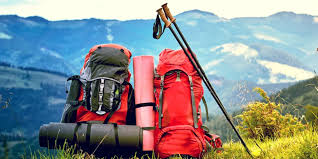
Although porters transport designated luggage, climbers remain responsible for carrying essential personal items during each hiking day.
Recommended daypack items include:
-
Drinking water and personal snacks.
-
Waterproof jacket and trousers.
-
Warm clothing and extra layers.
-
Sunglasses, sunscreen, and lip protection.
-
Personal medication and essential medical supplies.
-
Camera or mobile phone.
-
Headlamp and spare batteries.
-
Trekking poles when not in use.
-
Personal identification and other necessary items.
A well-organized daypack allows climbers to access important equipment without depending on their main luggage during the hike.
Ethical Porter Treatment and Responsible Kilimanjaro Trekking
Responsible tourism is an important consideration when choosing a Kilimanjaro trekking operator.
Porters work in physically demanding mountain conditions, often facing cold temperatures, changing weather, and challenging terrain.
Ethical trekking practices help protect their safety, health, and dignity.
Important Porter Welfare Standards
Fair Wages and Transparent Payments: Porters should receive fair compensation according to applicable employment requirements and agreed working arrangements.
Appropriate Clothing and Equipment: Mountain porters require suitable footwear, protective clothing, and sleeping equipment for high-altitude conditions.
Safe Load Management: Equipment loads should comply with applicable regulations and should never exceed safe limits.
Adequate Meals and Drinking Water: Porters should receive sufficient food and safe drinking water throughout the expedition.
Suitable Sleeping Arrangements: Mountain crew members should have appropriate shelter and sleeping facilities.
Medical and Emergency Support: Porters should have access to appropriate medical assistance and emergency procedures when required.
Travelers can support responsible trekking by choosing operators that demonstrate transparent porter welfare practices.
Kilimanjaro Porter Tipping Guidelines
Tipping is a common practice on Kilimanjaro trekking expeditions and is an important consideration when planning the overall trekking budget.
Tips are generally distributed among the mountain crew at the end of the expedition.
However, tipping arrangements depend on the group size, number of crew members, expedition duration, and operator recommendations.
Typical Porter Tipping Information
| Tipping Information | Details |
|---|---|
| When to Tip | Usually at the end of the trek |
| Who Receives Tips | Guides, cooks, and porters |
| Payment Method | Cash or another agreed method |
| Distribution | Individual or organized crew distribution |
| Tip Amount | Depends on crew size and agreed guidelines |
| Recommended Practice | Transparent distribution directly to crew members |
Benefits of Climbing Machame Route with Porter Support
. Reduced Physical Burden: Porters transport designated luggage and shared camping equipment, allowing climbers to carry lighter daypacks.
. Better Trekking Organization: An experienced mountain crew helps ensure that essential camping supplies are available at the designated campsites.
. More Energy for Hiking: Carrying less equipment can reduce unnecessary physical strain during long trekking days, although it does not eliminate the risks of altitude sickness.
. Improved Camping Convenience: Porter assistance with campsite logistics helps climbers focus on rest, meals, and preparation for the following day’s trek.
. Support for Local Employment: Kilimanjaro trekking provides employment opportunities for Tanzanian mountain guides, cooks, porters, and other tourism professionals.
. More Enjoyable Mountain Experience: With expedition logistics organized by the support team, climbers can concentrate on Kilimanjaro’s beautiful landscapes and the challenge of reaching the summit.
Best Time for the 6 Days Machame Route
| Season | Months | Trekking Conditions |
|---|---|---|
| Short Dry Season | January–March | Generally favorable trekking conditions |
| Long Rainy Season | April–May | Wet trails and increased rainfall |
| Long Dry Season | June–October | Generally drier conditions and cold nights |
| Short Rainy Season | November–December | Variable weather with occasional heavy rainfall |
The most popular periods for Kilimanjaro climbing are generally January to March and June to October.
Why Choose Kilinge Adventures for Your Machame Route Trek?
Kilinge Adventures helps travelers discover the beauty of Mount Kilimanjaro through organized mountain trekking experiences.
When planning your six-day Machame Route adventure, understanding porter arrangements, equipment transportation, and mountain crew responsibilities is an important part of choosing a suitable trekking package.
Reasons to consider Kilinge Adventures include:
-
Personalized Kilimanjaro trekking planning.
-
Guidance on luggage preparation and mountain equipment.
-
Opportunities to explore Kilimanjaro with local mountain teams.
-
Assistance with understanding porter services and trekking logistics.
-
Information about mountain camping arrangements.
-
Guidance on trekking preparation and altitude-related safety.
-
Assistance with organizing private or group climbing experiences.
Before booking, travelers should confirm the number of porters assigned, luggage allowances, crew welfare standards, porter compensation arrangements, and services included in their package.
Frequently Asked Questions
Are porters included in the 6 Days Machame Route?
Most supported Machame Route trekking packages include porter services. However, the exact number of porters and the equipment they carry depend on the operator and package arrangements.
How many porters are needed for the Machame Route?
The number of porters depends on group size, equipment requirements, camping arrangements, and expedition logistics. There is no single number suitable for every trekking group.
How much weight can Kilimanjaro porters carry?
The commonly applied maximum porter load is 20 kilograms, excluding personal equipment, subject to applicable park rules. Climbers should confirm the current requirements with their operator.
Do porters carry personal backpacks?
Porters usually transport designated personal luggage in duffel bags, while climbers carry their own daypacks containing daily essentials.
Do porters climb to Uhuru Peak?
Most porters do not accompany climbers to Uhuru Peak. Summit attempts are generally led by mountain guides, while porters handle expedition logistics.
Are porters responsible for preparing meals?
Mountain cooks are normally responsible for preparing meals. Porters may transport food, kitchen equipment, and other supplies.
Should climbers tip Kilimanjaro porters?
Tipping is customary and appreciated. Travelers should request current tipping guidance and confirm how gratuities are distributed among crew members.
What happens if a porter becomes sick during the climb?
The expedition team should follow established safety procedures, arrange appropriate medical assessment, and organize descent or evacuation when necessary.
Book Your 6 Days Machame Route Porters Adventure
Experience the breathtaking beauty of Mount Kilimanjaro with Kilinge Adventures and discover the value of an organized mountain trekking experience supported by dedicated local crew members.
From the lush rainforest at Machame Gate to the spectacular Shira Plateau, dramatic Barranco Wall, and challenging summit attempt at Uhuru Peak, every stage of the journey offers extraordinary scenery and memorable experiences.
With appropriate porter arrangements, mountain camping support, and careful trekking preparation, climbers can focus on enjoying their Kilimanjaro adventure.
Contact Kilinge Adventures today to discuss your 6 Days Machame Route trekking package, porter services, luggage allowances, crew arrangements, departure dates, and booking details.
Book this Tour with Kilinge Adventures
Apart from this, you may read and write some reviews for us from Safari Bookings.
Also, you may read and write reviews for us from TripAdvisor
- Day 1
- Day 2
- Day 3
- Day 4
- Day 5
- Day 6
Machame Gate to Machame Camp – Beginning the Porter-Supported Trek
| Trekking Details | Information |
|---|---|
| Starting Altitude | Approximately 1,800 m |
| Ending Altitude | Approximately 2,835 m |
| Hiking Distance | 11 km |
| Hiking Time | 5–7 Hours |
| Habitat | Tropical Rainforest |
| Accommodation | Machame Camp |
After completing park registration, climbers meet their mountain guides, cooks, and porters.
The trekking team organizes luggage, camping tents, cooking equipment, and other essential supplies before beginning the journey.
The trail passes through Kilimanjaro's beautiful tropical rainforest, offering opportunities to observe lush vegetation and mountain wildlife.
Upon arrival at Machame Camp, the support team prepares the campsite and organizes equipment for the evening.
Porter Support: Porters transport designated luggage and shared camping equipment from Machame Gate to Machame Camp, helping ensure that essential supplies reach the campsite.
Machame Camp to Shira Camp – Porter Assistance Across the Moorland
| Trekking Details | Information |
|---|---|
| Starting Altitude | 2,835 m |
| Ending Altitude | Approximately 3,750 m |
| Hiking Distance | 5 km |
| Hiking Time | 4–6 Hours |
| Habitat | Moorland |
| Accommodation | Shira Camp |
The landscape changes from rainforest to open moorland, revealing impressive views of Kibo Peak and the surrounding mountain scenery.
The trail becomes steeper, requiring steady walking and appropriate rest breaks.
Meanwhile, porters carefully pack the camping equipment and transport supplies to Shira Camp.
Upon arrival, climbers can relax and enjoy the mountain environment while the support team completes campsite preparations.
Porter Support: Porters transport sleeping tents, personal luggage, and approved expedition supplies between the designated campsites.
Shira Camp to Lava Tower and Barranco Camp – High-Altitude Porter Support
| Trekking Details | Information |
|---|---|
| Starting Altitude | 3,750 m |
| Highest Point | Lava Tower – 4,630 m |
| Sleeping Altitude | Approximately 3,900 m |
| Hiking Distance | 10 km |
| Hiking Time | 6–8 Hours |
| Habitat | Alpine Desert |
| Accommodation | Barranco Camp |
Climbers ascend toward Lava Tower before descending to Barranco Camp, following the climb-high, sleep-low acclimatization principle.
The route passes through dramatic volcanic landscapes and offers magnificent views of Kilimanjaro's surrounding peaks.
Porters follow their assigned transport routes, ensuring that camping equipment and expedition supplies are delivered to Barranco Camp.
The campsite is situated beneath the impressive Barranco Wall, creating one of the most memorable overnight locations on the route.
Porter Support: The mountain support team transports equipment, organizes campsite supplies, and assists with preparing the camp for the evening.
Barranco Camp to Barafu Camp
| Trekking Details | Information |
|---|---|
| Starting Altitude | Approximately 3,900 m |
| Ending Altitude | Approximately 4,673 m |
| Hiking Distance | 9 km |
| Hiking Time | 7–9 Hours |
| Habitat | Alpine Desert |
| Accommodation | Barafu Camp |
After completing this challenging section, climbers continue through Karanga Valley and Karanga Camp before reaching Barafu Camp.
Barafu Camp is the final campsite before the summit attempt.
At this high elevation, the weather can be cold and windy, making proper campsite organization especially important.
Porters transport equipment and help establish the campsite, while guides prepare climbers for the demanding summit ascent.
Porter Support: Porters transport designated luggage, tents, and expedition supplies to Barafu Camp. Their work helps climbers conserve energy before summit night.
Barafu Camp to Uhuru Peak and Mweka Camp
| Trekking Details | Information |
|---|---|
| Starting Altitude | Approximately 4,673 m |
| Summit Altitude | 5,895 m |
| Ending Altitude | Approximately 3,100 m |
| Hiking Distance | 17 km |
| Hiking Time | 11–15 Hours |
| Habitat | Arctic Summit and Moorland |
| Accommodation | Mweka Camp |
Climbers usually begin the summit ascent around midnight, following a steep trail toward Stella Point at approximately 5,756 meters.
From Stella Point, the route continues toward Uhuru Peak, the highest point in Africa.
Throughout the summit attempt, mountain guides monitor climbers and make important safety decisions.
Most porters do not accompany climbers to the summit. Instead, they remain responsible for campsite logistics and transporting equipment to the next designated camp.
After the summit attempt, climbers descend to Barafu Camp before continuing to Mweka Camp.
Porter Support: Porters help move the expedition's camping equipment and designated luggage from Barafu Camp to Mweka Camp, preparing the final overnight campsite.
Mweka Camp to Mweka Gate
| Trekking Details | Information |
|---|---|
| Starting Altitude | Approximately 3,100 m |
| Ending Altitude | Approximately 1,640 m |
| Hiking Distance | 10 km |
| Hiking Time | 3–4 Hours |
| Habitat | Tropical Rainforest |
| Destination | Mweka Gate |
The trail gradually leads toward Mweka Gate, where the expedition concludes.
Porters transport the remaining camping equipment and designated luggage down the mountain.
Upon arrival at the gate, the trekking team completes the necessary park exit procedures.
This is also an opportunity for climbers to thank their guides, cooks, and porters for their hard work throughout the expedition.
Porter Support: The mountain support team completes the transportation of expedition supplies and helps organize luggage for the return journey.