Best Kilimanjaro acclimatization Join with Friends
- Trip Overview
- Trip Itinerary
What's included
- Airport pick up and drop off
- All meals included
- All mentioned activities
- Lunch box
- Professionally guided tour
- Alcoholic and soft drinks
- Entry visa for Tanzania
- Government imposed increase of taxes and /or park fees
- Laundry Services
- Other International flights
- Personal expenses
- Services not specifically stated in the itinerary
- Tips to mountain crew
6 Days Machame Route Safety Guide | Kilimanjaro
Overview
Climbing Mount Kilimanjaro is one of Africa’s most rewarding mountain adventures, but reaching the summit requires proper preparation, professional guidance, and an understanding of high-altitude trekking risks. The 6 Days Machame Route Safety Guide provides essential information to help climbers prepare for a safer and more enjoyable journey to Uhuru Peak, standing at 5,895 meters above sea level.
The Machame Route, popularly known as the Whiskey Route, is famous for its spectacular landscapes, varied vegetation zones, and challenging mountain trails. The six-day itinerary takes climbers through tropical rainforest, moorland, alpine desert, and the mountain’s arctic summit environment.
Although the route is popular, the six-day schedule requires careful attention to altitude acclimatization, physical fitness, hydration, weather conditions, and daily health monitoring.
At Kilinge Adventures, we emphasize responsible trekking practices, experienced mountain leadership, appropriate equipment, and clear emergency procedures to help climbers make informed decisions throughout their Kilimanjaro adventure.
Key Safety Highlights
-
Professional mountain guidance: Experienced guides help climbers navigate challenging terrain and recognize potential altitude-related health problems.
-
Altitude sickness awareness: Understanding early symptoms helps climbers respond before conditions become serious.
-
Daily health monitoring: Guides should assess climbers’ symptoms, physical condition, and ability to continue.
-
Proper acclimatization: A controlled walking pace and suitable ascent profile help reduce altitude-related risks.
-
Weather protection: Appropriate clothing and equipment protect climbers from rain, strong winds, and freezing temperatures.
-
Emergency preparedness: Communication arrangements, evacuation procedures, and trained personnel are important for mountain safety.
-
Summit-day preparation: Adequate rest, nutrition, hydration, and guide supervision are essential during the final ascent.
6 Days Machame Route Safety Facts
| Safety Information | Details |
|---|---|
| Mountain | Mount Kilimanjaro, Tanzania |
| Trekking route | Machame Route |
| Duration | 6 days / 5 nights |
| Starting point | Machame Gate |
| Finishing point | Mweka Gate |
| Highest altitude | Uhuru Peak – 5,895 m |
| Difficulty | Challenging |
| Accommodation | Mountain camping tents |
| Main health concern | Altitude sickness |
| Technical climbing | Not normally required |
| Recommended preparation | Physical training and altitude awareness |
| Safety priority | Health monitoring and timely descent when necessary |
Understanding Altitude Sickness on the Machame Route
Altitude sickness is one of the most important safety concerns when climbing Mount Kilimanjaro.
As climbers ascend, atmospheric pressure decreases, reducing the amount of oxygen available to the body with each breath.
The most common form is Acute Mountain Sickness (AMS). More serious conditions include High-Altitude Pulmonary Edema (HAPE), involving fluid accumulation in the lungs, and High-Altitude Cerebral Edema (HACE), involving swelling of the brain.
| Condition | Possible Symptoms | Appropriate Response |
|---|---|---|
| Mild AMS | Headache, nausea, fatigue, dizziness | Stop ascending, inform the guide, and assess symptoms |
| Worsening AMS | Increasing headache, vomiting, significant weakness | Do not ascend further; descent and medical assessment may be necessary |
| HAPE | Breathlessness at rest, cough, marked exercise intolerance | Emergency descent, oxygen if available, urgent medical care |
| HACE | Confusion, loss of coordination, altered consciousness | Immediate emergency descent and medical treatment |
Note:Severe altitude illness can be life-threatening. Supplemental oxygen may be used during emergency treatment but does not replace descent and appropriate medical care.
Essential Safety Equipment for the 6 Days Machame Route
Proper trekking equipment contributes significantly to comfort and risk reduction throughout the climb.
| Equipment | Safety Importance |
|---|---|
| Waterproof hiking boots | Protect feet and improve traction |
| Insulated jacket | Reduces cold exposure |
| Waterproof outer layers | Protect against rain, snow, and wind |
| Trekking poles | Improve stability on uneven terrain |
| Headlamp | Essential for nighttime summit trekking |
| Warm gloves and hat | Protect extremities from cold |
| UV-protective sunglasses | Protect eyes from intense sunlight and glare |
| Sunscreen | Reduces sunburn risk at altitude |
| Water bottles or hydration system | Support regular hydration |
| Personal first-aid supplies | Help manage minor injuries |
| Personal medications | Maintain prescribed treatment during the trek |
Safety Preparation Before Climbing Kilimanjaro
Preparation should begin several weeks before the trekking adventure.
Physical Fitness and Endurance: Climbers should develop the stamina required for several consecutive days of mountain walking.
Useful preparation includes hiking, stair climbing, aerobic exercise, and strengthening the legs and core muscles.
Training with a backpack on uneven terrain can also help climbers become comfortable with the physical demands of the route.
Medical Preparation: Before traveling, climbers should consider a pre-trek medical consultation, particularly if they have cardiovascular, respiratory, or other significant health conditions.
A healthcare professional familiar with high-altitude travel can assess individual risks and discuss whether preventive medication, such as acetazolamide, is appropriate.
Acclimatization Planning: The six-day Machame itinerary is relatively demanding because it gains altitude quickly and provides less acclimatization time than the seven-day alternative.
For climbers who have limited high-altitude experience, adding an extra trekking day may improve acclimatization opportunities and is generally preferable when time permits.
Mountain Emergency Preparedness: A responsible Kilimanjaro expedition should establish clear emergency arrangements before the climb begins.
Important arrangements include a documented evacuation procedure, communication between guides and support teams, appropriate first-aid resources, and an agreed response to altitude-related illness.
Before booking, climbers should confirm whether their selected expedition provides supplemental emergency oxygen, suitable monitoring equipment, trained personnel, and evacuation coordination.
Why Choose Kilinge Adventures for Your Machame Route Trek?
Kilinge Adventures offers travelers the opportunity to explore Kilimanjaro through guided trekking experiences designed around preparation, mountain awareness, and responsible adventure.
When planning your six-day Machame trek with Kilinge Adventures, discuss the following aspects of your expedition:
-
Mountain leadership: Guide experience, qualifications, and familiarity with Kilimanjaro terrain.
-
Safety planning: Health assessment practices and emergency-response arrangements.
-
Trekking preparation: Guidance on fitness, clothing, equipment, and acclimatization.
-
Itinerary selection: Whether the six-day or seven-day schedule is more appropriate for your experience.
-
Personal support: Communication about health concerns and individual trekking requirements.
Our aim is to help climbers approach Kilimanjaro with realistic expectations, proper preparation, and confidence in their mountain adventure.
Frequently Asked Questions
Is the 6 Days Machame Route safe for beginners?
Beginners can attempt the Machame Route with suitable preparation, but the six-day itinerary is physically demanding and involves significant altitude exposure. The seven-day itinerary is generally a better option for first-time high-altitude climbers because it provides additional acclimatization time.
What is the biggest safety risk on the Machame Route?
Altitude sickness is one of the most significant health risks. Climbers must also prepare for cold temperatures, difficult terrain, fatigue, and unpredictable weather.
Is the Barranco Wall dangerous?
Barranco Wall is a steep scrambling section that requires careful movement and attention. It does not normally require technical climbing equipment, but wet conditions, exposure, and poor foot placement can increase the risk of injury.
Do climbers need oxygen on the Machame Route?
Supplemental oxygen is not routinely required for healthy climbers who acclimatize adequately. Emergency oxygen may be used when medically indicated, but it should never be considered a substitute for descent when serious altitude illness develops.
Can altitude sickness be prevented completely?
No. Gradual acclimatization, appropriate ascent planning, and preventive medication when medically recommended can reduce risk, but altitude sickness can still occur.
What happens if a climber becomes seriously ill?
The guide should initiate the expedition’s emergency plan, arrange immediate descent when indicated, and coordinate urgent medical treatment or evacuation as necessary.
What is the safest time of year to climb the Machame Route?
January to early March and June to October are generally associated with relatively favorable climbing conditions, although rain, strong winds, snow, and freezing temperatures remain possible at any time of year.
How can I prepare for summit night?
Build endurance before traveling, acclimatize as effectively as possible, prepare warm clothing and equipment, follow your guide’s pace, and communicate any symptoms promptly.
Book Your 6 Days Machame Route Adventure with Kilinge Adventures
Experience the magnificent landscapes of Mount Kilimanjaro while making preparation and mountain safety central to your adventure.
From the lush rainforest at Machame Gate to the extraordinary views near Uhuru Peak, the six-day Machame Route offers an unforgettable trekking experience for travelers ready to embrace a demanding high-altitude challenge.
Plan your Kilimanjaro climb with Kilinge Adventures. Contact our team to discuss the six-day itinerary, guide arrangements, trekking equipment, acclimatization options, and emergency procedures before confirming your expedition.
Your Kilimanjaro adventure begins with preparation, responsible decisions, and the right mountain support.
Book this Tour with Kilinge Adventures
Apart from this, you may read and write some reviews for us from Safari Bookings.
Also, you may read and write reviews for us from TripAdvisor
- Day 1
- Day 2
- Day 3
- Day 4
- Day 5
- Day 6
Machame Gate to Machame Camp
| Trekking Details | Information |
|---|---|
| Starting altitude | 1,800 m |
| Ending altitude | 3,000 m |
| Distance | Approximately 11 km |
| Hiking duration | 5–7 hours |
| Vegetation zone | Tropical rainforest |
| Overnight | Machame Camp |
The trail features tall trees, dense vegetation, occasional wildlife sightings, and potentially wet or muddy paths. The steady ascent introduces climbers to the mountain environment.
Safety Precautions
-
Wear waterproof hiking boots with reliable grip.
-
Use trekking poles for slippery or uneven sections.
-
Maintain a comfortable pace rather than rushing.
-
Drink regularly and eat adequately.
-
Report headaches, nausea, dizziness, or unusual fatigue to your guide.
Machame Camp to Shira Camp
| Trekking Details | Information |
|---|---|
| Starting altitude | 3,000 m |
| Ending altitude | 3,840 m |
| Distance | Approximately 5 km |
| Hiking duration | 4–6 hours |
| Vegetation zone | Heath and moorland |
| Overnight | Shira Camp |
As the altitude increases, climbers may notice heavier breathing and reduced physical endurance. Walking slowly becomes increasingly important.
Safety Precautions
-
Follow a controlled, steady walking pace.
-
Protect yourself from strong sunlight and changing temperatures.
-
Maintain appropriate food and fluid intake.
-
Inform your guide about headaches, nausea, or appetite loss.
-
Avoid unnecessary physical exertion after reaching camp.
Shira Camp to Lava Tower and Barranco Camp
| Trekking Details | Information |
|---|---|
| Starting altitude | 3,840 m |
| Highest point | Lava Tower – approximately 4,630 m |
| Sleeping altitude | Barranco Camp – approximately 3,960 m |
| Distance | Approximately 10–11 km |
| Hiking duration | 6–8 hours |
| Vegetation zone | Alpine desert |
| Overnight | Barranco Camp |
The journey provides spectacular views of Kilimanjaro's volcanic landscapes, rocky valleys, and surrounding mountain formations.
The route follows the principle of climbing higher during the day and sleeping lower at night, which can support acclimatization. However, it does not eliminate altitude sickness risk.
Safety Precautions
-
Monitor for headache, nausea, dizziness, and unusual exhaustion.
-
Inform the guide immediately if symptoms develop or worsen.
-
Maintain a manageable pace.
-
Wear appropriate protection against wind and cold.
-
Do not continue ascending with worsening altitude sickness symptoms.
Barranco Camp to Barafu Camp via Karanga Valley
| Trekking Details | Information |
|---|---|
| Starting altitude | 3,960 m |
| Ending altitude | Approximately 4,670 m |
| Distance | Approximately 9–10 km |
| Hiking duration | 8–10 hours |
| Terrain | Barranco Wall, rocky ridges, alpine desert |
| Overnight | Barafu Camp |
Climbers begin by ascending the famous Barranco Wall, a steep rocky section requiring careful foot placement and occasional use of hands for balance.
After crossing Karanga Valley, the trek continues toward Barafu Camp, the main base for the summit attempt.
Unlike the seven-day Machame itinerary, the standard six-day version does not include an overnight stop at Karanga Camp. This makes Day 4 longer and reduces recovery time before summit day.
Safety Precautions
-
Follow your guide's instructions while climbing Barranco Wall.
-
Maintain safe spacing between climbers on narrow sections.
-
Avoid rushing across rocky or exposed terrain.
-
Conserve energy for the summit attempt.
-
Complete a thorough health assessment at Barafu Camp.
-
Prepare warm clothing, headlamps, food, and drinking water before resting.
Barafu Camp to Uhuru Peak and Mweka Camp
| Trekking Details | Information |
|---|---|
| Starting altitude | Approximately 4,670 m |
| Summit altitude | Uhuru Peak – 5,895 m |
| Ending altitude | Mweka Camp – approximately 3,100 m |
| Distance | Approximately 16–17 km total |
| Hiking duration | 12–16 hours, sometimes longer |
| Terrain | Scree, rocky slopes, possible snow and ice |
| Overnight | Mweka Camp |
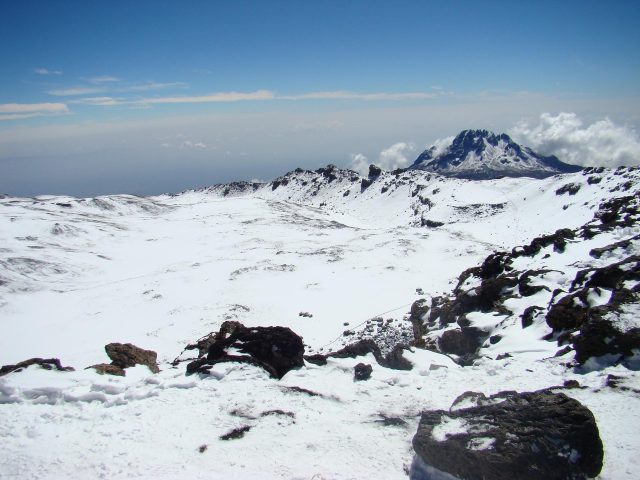
Climbers usually begin the ascent around midnight, walking slowly toward Stella Point on Kilimanjaro's crater rim.
The journey continues toward Uhuru Peak, where successful climbers experience breathtaking views from the highest point in Africa.
Following the summit attempt, climbers descend toward Barafu Camp and continue down to Mweka Camp for overnight recovery.
Safety Precautions
-
Wear insulated clothing, gloves, warm headwear, and appropriate footwear.
-
Use a reliable headlamp with spare batteries.
-
Remain close to your guide during darkness and poor visibility.
-
Watch for severe headache, confusion, loss of coordination, breathlessness at rest, and extreme weakness.
-
Descend immediately when serious altitude illness is suspected, under the guide's emergency plan.
-
Avoid remaining at the summit longer than necessary.
Mweka Camp to Mweka Gate
| Trekking Details | Information |
|---|---|
| Starting altitude | Approximately 3,100 m |
| Ending altitude | Approximately 1,640 m |
| Distance | Approximately 10 km |
| Hiking duration | 3–4 hours |
| Vegetation zone | Tropical rainforest |
| Destination | Mweka Gate |
Climbers enjoy the beautiful forest environment while reflecting on their Kilimanjaro experience.
Although the altitude decreases significantly, the trail may be muddy and slippery, and tired legs can increase the risk of falls.
Safety Precautions
-
Continue using trekking poles where appropriate.
-
Take short, controlled steps on steep downhill sections.
-
Protect your knees and ankles from unnecessary strain.
-
Drink fluids and maintain adequate nutrition.
-
Report persistent symptoms rather than assuming descent has resolved every health problem.