Best Kilimanjaro acclimatization Join with Friends
- Trip Overview
- Trip Itinerary
What's included
- 3-4 porters per climber, which includes porters to carry up to 30 lbs of your personal gear.
- All meals included
- Government imposed increase of taxes and /or park fees
- Hot water for washing up daily and treated water for drink while climbing.
- Medically qualified mountain guides, cooks and porters
- Professionally guided tour
- Alcoholic and soft drinks
- Entry visa for Tanzania
- Laundry Services
- Other International flights
- Personal expenses
- Tips to guide and driver
- Tips to mountain crew
5 Days Marangu Route Acclimatization 2026/2027
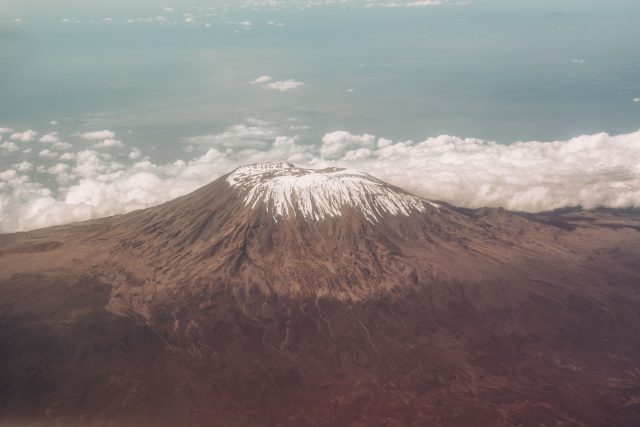
The 5 Days Marangu Route Acclimatization is an important part of preparing for a successful and safe Mount Kilimanjaro climbing experience. This five-day trekking adventure follows the famous Marangu Route, also known as the Coca-Cola Route, taking climbers through beautiful mountain landscapes while gradually ascending toward Uhuru Peak, the highest point in Africa at 5,895 meters above sea level.
Acclimatization refers to the natural process through which the human body adjusts to reduced oxygen availability at higher elevations. As climbers ascend Mount Kilimanjaro, the air pressure decreases, making it more difficult for the body to obtain the oxygen it needs. Proper altitude adjustment is therefore essential for reducing the risk of altitude-related illnesses and improving comfort during the climb.
The five-day Marangu Route begins at Marangu Gate, approximately 1,860 meters above sea level, and passes through Mandara Hut, Horombo Hut, and Kibo Hut before the final summit attempt. Along the way, trekkers experience tropical rainforest, moorland, alpine desert, and the cold volcanic summit environment.
Although the Marangu Route offers established hiking trails and permanent mountain huts, the five-day itinerary provides limited acclimatization time. Unlike the six-day option, it does not include an additional acclimatization day at Horombo Hut. This makes careful preparation, a manageable walking pace, and close attention to altitude symptoms especially important.
With Kilinge Adventures, travelers can plan a guided Kilimanjaro journey while learning about the physical demands, altitude challenges, and preparation needed for this mountain adventure.
5 Days Marangu Route Acclimatization Tour Facts
| Tour Information | Details |
|---|---|
| Tour Name | 5 Days Marangu Route Acclimatization |
| Destination | Mount Kilimanjaro, Tanzania |
| Tour Operator | Kilinge Adventures |
| Duration | 5 Days / 4 Nights |
| Route | Marangu Route (Coca-Cola Route) |
| Starting Point | Marangu Gate (approximately 1,860 m) |
| Ending Point | Marangu Gate |
| Highest Destination | Uhuru Peak (5,895 m) |
| Main Accommodation | Mandara, Horombo and Kibo huts |
| Acclimatization Schedule | No additional acclimatization day |
| Trekking Difficulty | Challenging |
| Main Activities | Hiking, altitude adjustment, mountain exploration and summit attempt |
| Best Trekking Seasons | January–March and June–October |
| Suitable For | Physically prepared climbers who understand high-altitude risks |
Why Is Acclimatization Important on the Marangu Route?
Acclimatization is one of the most important considerations when planning a Kilimanjaro climb. As you move higher, the atmospheric pressure decreases, meaning each breath delivers less oxygen to the body than it would at lower elevations.
The body responds through several physiological changes, including faster breathing and adjustments that help it function in a lower-oxygen environment. However, these changes require time, and ascending too quickly increases the likelihood of developing altitude sickness.
On the five-day Marangu Route, climbers gain elevation over a relatively short period. This makes the itinerary physically demanding even though much of the trail does not require technical mountaineering skills.
Understanding acclimatization helps travelers recognize why slow walking, suitable route selection, symptom monitoring, and additional acclimatization days are valuable.
Main Benefits of Proper Acclimatization
-
Helps the body adapt progressively to reduced oxygen availability.
-
Reduces the likelihood of developing acute mountain sickness when sufficient time is allowed.
-
Supports better tolerance of physical activity at higher elevations.
-
Helps climbers make more informed decisions about their pace and ascent schedule.
-
Reduces avoidable altitude-related risks when combined with appropriate medical assessment and safe trekking practices.
Important: Acclimatization reduces risk but cannot guarantee summit success or prevent every case of altitude sickness.
5 Days Marangu Route Altitude and Acclimatization Profile
| Trekking Location | Altitude | Acclimatization Consideration |
|---|---|---|
| Marangu Gate | 1,860 m | Beginning of the ascent |
| Mandara Hut | 2,720 m | First overnight stay at altitude |
| Horombo Hut | 3,720 m | Significant elevation gain; symptoms should be monitored |
| Kibo Hut | Approximately 4,700 m | Very high sleeping altitude with limited adjustment time |
| Gilman’s Point | 5,685 m | High-altitude crater rim reached during the summit attempt |
| Uhuru Peak | 5,895 m | Highest destination, with substantially reduced oxygen availability |
| Horombo Hut | 3,720 m | Lower overnight altitude following summit descent |
| Marangu Gate | 1,860 m | Return to lower elevation |
The most important consideration is the relatively rapid increase in sleeping altitude between Mandara, Horombo, and Kibo huts. The five-day itinerary does not provide an extra night at Horombo for additional adjustment.
Key Highlights of the 5 Days Marangu Route Acclimatization Trek
-
Explore Kilimanjaro’s ecological zones: Discover tropical rainforest, heathland, moorland, alpine desert, and summit landscapes.
-
Experience high-altitude trekking: Learn how elevation affects breathing, endurance, and physical performance.
-
Stay in permanent mountain huts: Use established accommodation facilities instead of camping in tents.
-
Admire Mawenzi and Kibo: Enjoy spectacular volcanic mountain scenery when weather permits.
-
Attempt Uhuru Peak: Follow the summit trail toward Africa’s highest point.
-
Understand mountain safety: Learn the importance of altitude awareness, symptom reporting, and appropriate descent decisions.
How to Improve Acclimatization on the Marangu Route
Successful altitude adjustment depends primarily on allowing the body sufficient time to adapt. The following practices can help reduce avoidable risks during a Kilimanjaro expedition.
| Acclimatization Practice | Why It Matters |
|---|---|
| Choose a longer itinerary | Provides additional time for physiological adjustment |
| Walk at a manageable pace | Helps control physical exertion |
| Stay appropriately hydrated | Helps avoid dehydration, although extra water does not prevent altitude sickness |
| Eat regular meals | Supports energy requirements during trekking |
| Avoid alcohol | Reduces avoidable effects on sleep and physical condition |
| Report symptoms immediately | Allows early assessment and appropriate action |
| Avoid ascending while symptomatic | Helps prevent worsening altitude illness |
| Consult a travel-medicine professional | Allows assessment of personal risks and preventive medication options |
Above 3,000 meters, general travel-medicine guidance recommends limiting increases in sleeping altitude to approximately 500 meters per day and allowing extra acclimatization nights. The standard five-day Marangu schedule exceeds this guidance on consecutive stages, making it a relatively aggressive ascent profile.
Common Altitude Sickness Symptoms on Kilimanjaro
Altitude sickness can affect anyone, regardless of age, fitness, or previous hiking experience. Recognizing symptoms early is an important part of mountain safety.
| Symptoms | Possible Significance | Recommended Response |
|---|---|---|
| Headache with nausea or dizziness | Possible acute mountain sickness | Report to guide; stop further ascent and seek assessment |
| Unusual fatigue and loss of appetite | Possible altitude illness | Monitor closely and obtain assessment |
| Repeated vomiting or worsening headache | Worsening altitude illness | Do not ascend; urgent assessment and descent may be required |
| Difficulty walking straight or confusion | Possible high-altitude cerebral edema | Medical emergency; immediate assisted descent and urgent treatment |
| Breathlessness at rest, cough or chest symptoms | Possible high-altitude pulmonary edema | Medical emergency; immediate descent and urgent treatment |
Severe altitude illness can become life-threatening. Do not continue climbing with worsening symptoms, and do not wait for symptoms to resolve if emergency warning signs appear.
5 Days vs. 6 Days Marangu Route Acclimatization
Both itineraries use the same general trekking route and aim to reach Uhuru Peak. However, the six-day option provides an extra day at Horombo Hut, often used for a short acclimatization hike followed by another night at the same sleeping altitude.
| Feature | 5 Days Marangu Route | 6 Days Marangu Route |
|---|---|---|
| Duration | 5 days | 6 days |
| Additional Acclimatization Day | No | Yes |
| Horombo Hut Before Summit | One night | Two nights |
| Sleeping Altitude Progression | Faster | Includes an extra adjustment day |
| Altitude Sickness Risk | Greater concern due to rapid ascent | Generally lower with additional adjustment time |
| Summit Destination | Uhuru Peak | Uhuru Peak |
| Recommended For | Prepared climbers with limited time | Generally preferable for first-time high-altitude climbers |
Which is better? The six-day Marangu Route is generally the more suitable option for climbers who want additional acclimatization time. The five-day option remains available as a shorter itinerary but should not be presented as having an equivalent acclimatization profile.
Best Time for the 5 Days Marangu Route
Weather conditions influence trekking comfort, visibility, and trail conditions. However, favorable weather does not eliminate altitude-related risks.
| Months | Typical Conditions | Recommendation |
|---|---|---|
| January–March | Often relatively dry with variable weather | Recommended |
| June–October | Generally drier conditions with cold nights | Recommended |
| April–May | Frequent rainfall and wet trails | Less favorable |
| November–December | Variable weather and short rains | Less predictable |
January to March and June to October are generally the most favorable climbing periods. Nevertheless, the summit area can experience freezing temperatures, strong winds, and rapidly changing weather throughout the year.
Marangu Route Hut Accommodation
The Marangu Route uses permanent mountain huts, making it different from routes that rely primarily on tented camps.
| Hut | Altitude | Facilities |
|---|---|---|
| Mandara Hut | 2,720 m | Shared sleeping facilities, dining area and basic toilets |
| Horombo Hut | 3,720 m | Shared mountain accommodation, dining facilities and basic toilets |
| Kibo Hut | Approx. 4,700 m | Basic high-altitude sleeping shelter and limited facilities |
Although huts provide shelter, they do not prevent altitude sickness. Climbers must still bring suitable sleeping bags, warm clothing, and essential personal equipment.
What to Pack for the 5 Days Marangu Route
| Equipment | Purpose |
|---|---|
| Waterproof hiking boots | Provide support and traction |
| Thermal base layers | Help maintain body warmth |
| Insulated jacket | Protect against extreme summit cold |
| Waterproof clothing | Protect against rain and wind |
| Warm sleeping bag | Provide warmth inside mountain huts |
| Trekking poles | Support balance during ascents and descents |
| Headlamp | Essential for the night summit attempt |
| Gloves and warm hat | Protect against freezing conditions |
| Water bottles | Support regular hydration |
| Personal medication | Meet individual medical requirements |
| Sunscreen and sunglasses | Protect against intense ultraviolet radiation |
Why Plan Your Marangu Route Trek with Kilinge Adventures?
Choosing a tour operator is an important part of planning a Kilimanjaro climb. Travelers need clear information about the route, accommodation, safety arrangements, and physical preparation before confirming a booking.
Kilinge Adventures provides a local point of contact for travelers interested in exploring Mount Kilimanjaro through the Marangu Route.
Understanding Your Trekking Options
Travelers can discuss the differences between the five-day and six-day Marangu itineraries, including the importance of acclimatization and the additional time available on longer climbs.
Mountain Preparation Guidance
Before departure, visitors can request information about trekking equipment, seasonal conditions, physical preparation, and the demands of high-altitude hiking.
Organized Travel Arrangements
Climbers can discuss available departure dates, transportation, hut accommodation, meals, and mountain support services according to the package being offered.
Responsible Mountain Planning
A reliable Kilimanjaro operator should use appropriately qualified guides, provide clear emergency procedures, and explain how altitude-related symptoms are monitored and managed.
Travelers should confirm these arrangements directly before booking.
Frequently Asked Questions About 5 Days Marangu Route Acclimatization
Is five days enough for proper acclimatization on Kilimanjaro?
Five days is a relatively short period for climbing to 5,895 meters. The itinerary provides limited adjustment time and does not include a dedicated acclimatization day. A longer route is generally preferable.
Does the 5 Days Marangu Route include an acclimatization day?
No. The standard five-day itinerary continues directly from Horombo Hut to Kibo Hut on Day 3. The six-day itinerary normally adds an acclimatization day at Horombo Hut.
Can beginners climb the 5 Days Marangu Route?
Physically prepared beginners may attempt the route, but it is not the preferred option for first-time high-altitude trekkers because of the rapid ascent. Additional acclimatization time is advisable.
Does walking slowly prevent altitude sickness?
Walking slowly helps reduce physical exertion, but it does not guarantee protection against altitude sickness. The rate of ascent, sleeping altitude, individual susceptibility, and time allowed for acclimatization remain important.
Can I take medication to help with acclimatization?
A healthcare professional may recommend preventive medication, such as acetazolamide, for certain travelers. Medication should be selected based on individual medical circumstances and does not replace appropriate ascent planning.
What happens if I develop altitude sickness during the climb?
You should immediately inform your guide. Further ascent should stop while symptoms are assessed. Worsening symptoms or signs of severe altitude illness require urgent descent and medical treatment.
Is the six-day Marangu Route safer than the five-day option?
The additional acclimatization day generally makes the six-day schedule preferable from an altitude-adjustment perspective. However, altitude illness remains possible on any itinerary.
Can I reach Uhuru Peak on the five-day itinerary?
Yes. The itinerary includes a summit attempt, but reaching Uhuru Peak depends on acclimatization, health, weather, physical condition, and safe decisions made during the climb.
Book Your 5 Days Marangu Route Kilimanjaro Adventure
Experience the remarkable landscapes of Mount Kilimanjaro while learning about the importance of altitude adjustment during a high-altitude expedition.
The 5 Days Marangu Route Acclimatization itinerary offers a demanding journey through rainforest, moorland, alpine desert, and summit terrain, with overnight stays in established mountain huts.
With Kilinge Adventures, travelers can discuss their preferred trekking dates, route options, accommodation arrangements, and preparation requirements before planning their mountain adventure.
For climbers with flexible schedules, consider the six-day Marangu itinerary to allow additional time for altitude adjustment.
Contact Kilinge Adventures to plan your Kilimanjaro trek for 2026/2027 and choose an itinerary that suits your preparation, experience, and travel goals.
Book this Tour with Kilinge Adventures
Apart from this, you may read and write some reviews for us from Safari Bookings.
Also, you may read and write reviews for us from TripAdvisor
- Day 1
- Day 2
- Day 3
- Day 4
- Day 5
Marangu Gate to Mandara Hut – Beginning the Altitude Adjustment
The trail enters a beautiful tropical rainforest with tall trees, thick vegetation, and a cool, humid atmosphere. Depending on wildlife activity, you may see colobus monkeys, blue monkeys, and various forest birds.
During the hike, the elevation increases gradually toward Mandara Hut. This first stage introduces your body to the mountain environment and the beginning of altitude adjustment. Your guide should encourage a manageable pace and regular breaks.
After reaching Mandara Hut, you enjoy dinner and rest overnight. Adequate rest is important as the climb continues to higher elevations the following morning.
| Day 1 Details | Information |
|---|---|
| Starting Point | Marangu Gate – 1,860 m |
| Destination | Mandara Hut – 2,720 m |
| Distance | Approximately 8 km |
| Hiking Time | 4–5 hours |
| Elevation Gain | Approximately 860 m |
| Vegetation Zone | Tropical rainforest |
| Acclimatization Focus | Initial exposure to higher altitude |
| Accommodation | Mandara Hut |
| Meals | Lunch and dinner |
Mandara Hut to Horombo Hut – Adjusting to Higher Elevation
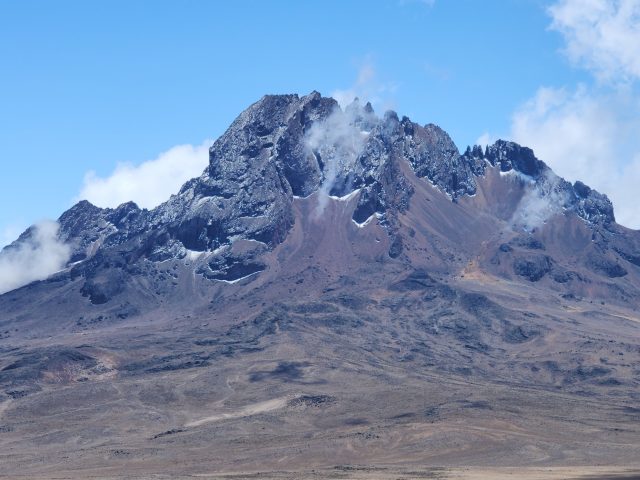
The mountain scenery changes significantly, with fewer trees and wider views of the surrounding landscape. On clear days, climbers can admire the peaks of Mawenzi and Kibo while walking through areas of distinctive high-altitude vegetation.
As you approach Horombo Hut, the elevation reaches approximately 3,720 meters. At this altitude, reduced oxygen availability can begin to affect breathing, energy levels, and sleeping patterns.
This is an important stage for monitoring how your body responds. Headaches, nausea, dizziness, or unusual fatigue should be reported to your guide rather than ignored.
Upon reaching Horombo Hut, you rest, eat, and prepare for the next day's climb toward Kibo.
| Day 2 Details | Information |
|---|---|
| Starting Point | Mandara Hut – 2,720 m |
| Destination | Horombo Hut – 3,720 m |
| Distance | Approximately 11–12 km |
| Hiking Time | 5–7 hours |
| Elevation Gain | Approximately 1,000 m |
| Vegetation Zone | Heathland and moorland |
| Acclimatization Focus | Monitoring adaptation to reduced oxygen |
| Accommodation | Horombo Hut |
| Meals | Breakfast, lunch and dinner |
Horombo Hut to Kibo Hut – High-Altitude Acclimatization Challenge
After breakfast, the trail crosses the broad alpine desert between Mawenzi and Kibo. The landscape becomes increasingly rocky, dry, and exposed, with limited vegetation.
The ascent to Kibo Hut involves another substantial increase in sleeping altitude. At approximately 4,700 meters, the lower oxygen availability can make ordinary physical activities feel demanding.
Your guide should monitor your condition and ensure that any signs of altitude illness are taken seriously. Walking slowly is helpful for managing exertion, but it does not replace the additional time needed for physiological acclimatization.
Upon reaching Kibo Hut, you rest and prepare your equipment for the summit attempt. The short recovery period before the midnight climb makes this one of the most demanding stages of the itinerary.
| Day 3 Details | Information |
|---|---|
| Starting Point | Horombo Hut – 3,720 m |
| Destination | Kibo Hut – approximately 4,700 m |
| Distance | Approximately 9–10 km |
| Hiking Time | 5–7 hours |
| Elevation Gain | Approximately 980 m |
| Vegetation Zone | Alpine desert |
| Acclimatization Focus | Assessing tolerance of very high altitude |
| Accommodation | Kibo Hut |
| Meals | Breakfast, lunch and dinner |
Kibo Hut to Uhuru Peak and Descend to Horombo Hut – Summit Day
The first major destination is Gilman's Point, located at approximately 5,685 meters. From there, climbers who are well enough to continue follow the crater rim toward Uhuru Peak at 5,895 meters.
The combination of altitude, cold temperatures, and physical exertion makes this section extremely demanding. Even experienced hikers can experience significant fatigue and altitude-related symptoms.
Your mountain guide must prioritize safety and may decide that a climber should descend rather than continue toward the summit.
After the summit attempt, the group descends to Kibo Hut for a short rest before continuing to Horombo Hut. Returning to a lower sleeping altitude reduces the body's exposure to the extreme conditions near the summit.
| Day 4 Details | Information |
|---|---|
| Starting Point | Kibo Hut – approximately 4,700 m |
| Highest Destination | Uhuru Peak – 5,895 m |
| Final Destination | Horombo Hut – 3,720 m |
| Distance | Approximately 19–21 km |
| Hiking Time | 12–16 hours |
| Maximum Elevation | 5,895 m |
| Acclimatization Focus | High-altitude symptom monitoring and safe descent |
| Accommodation | Horombo Hut |
| Meals | Breakfast, lunch and dinner |
Horombo Hut to Marangu Gate – Returning to Lower Altitude
As you descend, the surrounding landscape gradually changes from open mountain vegetation to the dense tropical rainforest of the lower slopes.
The increased oxygen availability at lower elevations generally makes breathing easier. However, climbers may still experience fatigue after the previous day's demanding summit attempt.
Upon reaching Marangu Gate, you complete the park exit formalities and meet your arranged transport for the return journey to Moshi.
| Day 5 Details | Information |
|---|---|
| Starting Point | Horombo Hut – 3,720 m |
| Destination | Marangu Gate – 1,860 m |
| Distance | Approximately 18–20 km |
| Hiking Time | 5–7 hours |
| Elevation Loss | Approximately 1,860 m |
| Vegetation Zone | Moorland and rainforest |
| Acclimatization Focus | Recovery during descent to lower altitude |
| Accommodation | End of mountain trek |
| Meals | Breakfast and lunch |