Best Kilimanjaro acclimatization Join with Friends
- Trip Overview
- Trip Itinerary
- Similar Tours
What's included
- 3 Meals while on the mountain + evening tea with popcorn or peanuts.
- 3-4 porters per climber, which includes porters to carry up to 30 lbs of your personal gear.
- Airport pick up and drop off
- All meals included
- Medically qualified mountain guides, cooks and porters
- Oxygen Cylinder
- Professionally guided tour
- Unlimited bottled water
- Alcoholic and soft drinks
- Entry visa for Tanzania
- Laundry Services
- Medical insurance and emergency insurance
- Other International flights
- Personal expenses
- Tips to guide and driver
- Tips to mountain crew
- Visa arrangements
Mount Kilimanjaro 7 Days Lemosho Route 2026/2027
Overview
Experience the changing landscapes of Africa’s highest mountain on the Mount Kilimanjaro 7 Days Lemosho Route 2026/2027, planned with Kilinge Adventures. This camping adventure begins on the western slopes, taking you through rainforest, across the Shira Plateau, and into dramatic valleys before a summit attempt at Uhuru Peak, 5,895 metres.
The journey offers much more than a final destination. Each stage introduces a different environment, from moss-covered forest trees to giant groundsels around Barranco and the exposed alpine terrain above Karanga. Spending six nights on the mountain allows you to experience these surroundings throughout the day, from early morning departures to evenings at camp.
This seven-day itinerary travels from Mti Mkubwa directly to Shira 2 on Day 2, passing through the Shira 1 area. It retains separate overnight stops at Karanga and Barafu, but the second stage is long and gains considerable altitude. An eight-day alternative separates the early plateau stages and provides additional acclimatisation time.
The seven days cover the mountain trek, including six camping nights. Allow additional time for arrival, briefing, hotel accommodation, and departure.
Key Highlights
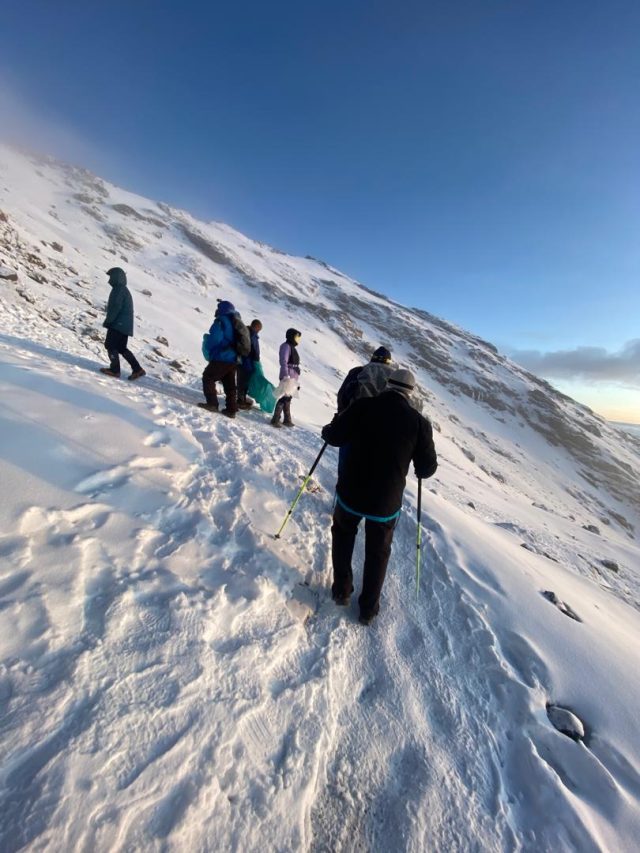
• Western forest approach: Begin beneath a dense canopy on Kilimanjaro’s western side.
• Shira Plateau crossing: Walk through an expansive volcanic landscape with views toward Kibo when skies are clear.
• Lava Tower excursion: Reach approximately 4,630 metres before descending to Barranco Camp.
• Barranco Valley scenery: Discover distinctive mountain vegetation beneath steep slopes.
• Barranco Wall experience: Navigate rocky scrambling sections with your guide.
• Separate pre-summit camps: Stay at Karanga and Barafu before the overnight ascent.
• Uhuru Peak objective: Attempt Africa’s highest summit through Stella Point.
• Different descent route: Return through Mweka rather than retracing the western approach.
Tour Facts
| Tour Detail | Information |
|---|---|
| Tour name | Mount Kilimanjaro 7 Days Lemosho Route |
| Destination | Mount Kilimanjaro, Tanzania |
| Travel years | 2026/2027 |
| Mountain duration | Seven days and six nights |
| Registration point | Londorossi Gate |
| Trekking start | Lemosho forest trailhead |
| Starting direction | Western side of Kilimanjaro |
| Accommodation | Tented mountain camps |
| Highest objective | Uhuru Peak, 5,895 metres |
| Difficulty | Challenging high-altitude trek |
| Summit attempt | Day 6 |
| Summit approach | Barafu Camp and Stella Point |
| Descent route | Mweka |
| Finishing point | Mweka Gate |
| Starting town | Moshi or Arusha, as agreed |
| Price | Quotation based on dates, group size, and services |
What Makes Lemosho a Distinctive Choice?
Lemosho combines a western forest entrance with a traverse across the Shira Plateau before joining the southern circuit. This creates a varied journey rather than a simple ascent and return along the same trail.
The opening forest stages generally have a quieter character, although the route joins busier sections as it continues around the mountain. Above the plateau, Lava Tower and Barranco introduce dramatic changes in terrain and vegetation.
The western starting point should not be confused with the Western Breach. This itinerary approaches the summit through Barafu Camp and Stella Point.
Starting Point and Destination
Your journey begins with a road transfer from your agreed accommodation to Londorossi Gate for registration. Continue to the forest trailhead, where the walking starts.
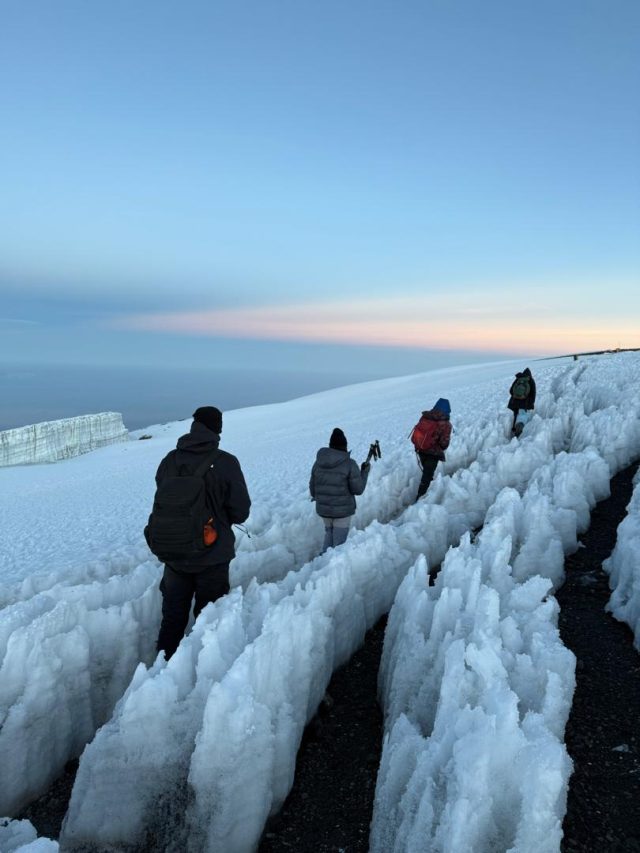
The highest objective is Uhuru Peak, reached through the southern summit approach if your condition and circumstances permit. After the attempt, descend to Mweka Camp and continue to Mweka Gate.
Your booking should identify the collection location, gate transfers, return destination, and any airport transport or hotel nights included in the package.
Before the Trek: Arrival and Preparation
Arrive at least one day before the climb to attend your briefing and equipment inspection. Meet your guide and review the campsite sequence, particularly the long second day and overnight summit stage.
Check your boots, waterproof clothing, sleeping bag, warm layers, and headlamp. Identify missing items early so rental availability can be confirmed.
Share dietary requirements and relevant health concerns. Your briefing should also explain daypack contents, porter-carried luggage, storage of belongings left in town, and the first morning’s collection arrangements.
What You Will Experience
Changing Mountain Environments
The journey moves from enclosed forest trails to open plateau scenery, deep valleys, and sparse alpine slopes. These transitions make each stage feel different.
Visibility changes with the weather, so mountain views cannot be promised throughout the trek.
Distinctive Plants and Volcanic Terrain
The plateau’s volcanic landscape contrasts with the vegetation of Barranco Valley. Giant groundsels and other mountain plants provide memorable details along the route.
Life at Mountain Camps
Evenings revolve around meals, equipment preparation, and rest. Each campsite has a different setting, from forest surroundings to exposed high ground.
Camping facilities are basic, and nights become colder as you gain height. Suitable sleeping equipment is therefore important.
An Ambitious Summit Objective
The overnight ascent is a test of endurance and patience. Whether conditions allow you to reach the crater rim or continue to Uhuru Peak, the complete ascent and descent require sustained effort.
Difficulty and Acclimatisation
This is a challenging high-altitude trek. The standard itinerary generally does not require technical mountaineering skills, but it includes uneven ground, scrambling, long walking hours, and a strenuous summit stage.
The main early challenge is the direct journey to Shira 2 on Day 2. Strong fitness helps with the physical effort but does not guarantee successful altitude adjustment.
A well-prepared beginner may consider Lemosho, although this compressed schedule deserves careful assessment. Discuss your hiking background before booking.
Seven Days Compared with Eight Days
An eight-day version commonly adds a night at Shira 1, dividing the long second stage described here.
| Consideration | Seven-Day Version | Eight-Day Alternative |
|---|---|---|
| Early plateau stages | Combined into a long Day 2 | Usually separated across two days |
| Mountain nights | Six | Seven |
| Adjustment time | More compressed | Additional time |
| Early walking effort | Longer second stage | More spread out |
| Holiday duration | Fewer mountain days | Requires an extra trekking day |
| Summit guarantee | None | None |
Compare the actual campsite schedules rather than relying only on the number of days in the title.
Best Time to Travel
| Recommended Period | General Conditions |
|---|---|
| January–February | Generally drier conditions and opportunities for clear views |
| Late June–September | Main dry-season window, generally favourable for trekking |
These are seasonal patterns rather than forecasts for individual 2026/2027 departures. Rain remains possible, while higher elevations can experience wind, snow, and freezing temperatures throughout the year.
Camping Accommodation
All six mountain nights use tents at designated camps. Expect basic facilities rather than hotel-style rooms or Marangu sleeping huts.
Confirm tent sharing, sleeping mats, sleeping-bag specifications, dining arrangements, and toilet provision. Ask whether a single tent is available if you prefer additional privacy.
Keep clothing organised in waterproof bags. This helps protect belongings during wet weather and makes essential items easier to find after arriving at camp.
Meals and Drinking Water
A supported camping package normally includes meals prepared by the mountain cook. Lunch may be served on the trail or at camp, depending on the stage.
Menus vary, so request details about the food supplied. Share allergies and dietary requirements before confirming your booking.
Your quotation should explain how drinking water is treated and provided, including the arrangements for summit night.
Equipment and Preparation
Build endurance through longer walks, hills, and controlled descents. Practise carrying your daypack and wear your intended boots during training.
Walking on consecutive days can help you understand recovery and equipment comfort. Increase preparation gradually rather than relying on an intense last-minute programme.
| Equipment Category | Items to Prepare |
|---|---|
| Footwear | Broken-in hiking boots and trekking socks |
| Rain protection | Waterproof jacket, trousers, and bag protection |
| Warm clothing | Base layers, fleece, insulated jacket, hat, and gloves |
| Walking equipment | Comfortable daypack and trekking poles |
| Summit essentials | Headlamp, spare batteries, snacks, and water containers |
| Sleeping equipment | Suitable cold-weather sleeping bag |
| Sun protection | Sunglasses, sunscreen, and lip protection |
| Personal items | Toiletries and personal medication |
Request the complete equipment checklist early. Confirm rental sizes, suitability, availability, and prices before relying on hired items.
Private and Shared Departures
A private departure allows you to travel with your chosen companions and discuss preferred dates. The daily plan remains subject to mountain conditions and guide decisions.
An available shared departure may suit solo travellers or smaller parties who want to trek with others. Ask about group size, tent sharing, and how guides support participants moving at different speeds.
Both arrangements require confirmation of availability and pricing.
Price and Booking for 2026/2027
The final cost depends on your dates, group size, hotel choices, equipment needs, and transfers.
Request an itemised quotation showing the mountain services and optional extras. Compare proposals by examining what is supplied alongside the total price.
Before payment, review the deposit, balance deadline, cancellation terms, rescheduling conditions, and arrangements for an early descent.
Why Choose This Adventure?
• Varied scenery: Experience rainforest, plateau landscapes, valleys, and alpine terrain within one journey.
• Distinctive landmarks: Explore Lava Tower, Barranco Valley, and the Barranco Wall.
• Separate pre-summit stops: Stay at Karanga and Barafu before the overnight ascent.
• A different return journey: Descend through Mweka rather than retracing the opening trail.
• A rewarding challenge: Prepare for consecutive trekking days and an ambitious summit objective.
• Flexible holiday planning: Discuss accommodation, transfers, and extensions with Kilinge Adventures.
Responsible Trekking
Follow designated trails and your team’s waste-management instructions. Carry personal litter until it can be disposed of appropriately, and keep wildlife encounters respectful.
Consider mountain staff welfare when comparing packages. Ask about porter load management, equipment, and crew arrangements.
Respect for the environment, fellow trekkers, and the people supporting your journey contributes to a better mountain experience.
Frequently Asked Questions
- Does this itinerary include a summit attempt?
Yes. The plan includes an attempt to reach Uhuru Peak on Day 6. Completion depends on your condition, weather, and guide decisions.
- Is seven days suitable for a first-time climber?
A well-prepared beginner may consider it, but the long second stage is demanding. Compare an eight-day alternative before deciding.
- Why does Day 2 continue directly to Shira 2?
This version combines early plateau stages to retain separate nights at Karanga and Barafu within seven mountain days.
- Does Lemosho use the Western Breach?
This itinerary does not. It starts on the western side but approaches the summit through Barafu and Stella Point.
- Do I need technical climbing skills?
The standard route generally does not require technical mountaineering skills. The Barranco Wall involves scrambling and careful movement.
- Are arrival and departure included?
No. The seven days describe the mountain itinerary. Allow additional time for preparation, accommodation, and travel.
- Can dietary requirements be accommodated?
Discuss your needs before confirming. Specific arrangements depend on available supplies and the mountain kitchen.
- Can I hire a sleeping bag?
Ask about availability, specifications, and rental charges before departure.
- What happens if I need to descend early?
Your operator should explain accompanying staff, transport, accommodation, and any additional expenses before booking.
- Is there a guaranteed summit success rate?
No individual outcome can be guaranteed. Any historical percentage should be supported by records for the specific itinerary and operator.
- Can I add a safari after the climb?
Ask Kilinge Adventures for an extension proposal and allow time to recover after the descent.
Plan Your Kilimanjaro Adventure
Explore the Mount Kilimanjaro 7 Days Lemosho Route 2026/2027 with a clear itinerary and arrangements suited to your experience.
Contact Kilinge Adventures with your preferred dates, number of travellers, hiking background, starting town, and accommodation preferences. Request availability, an itemised quotation, and advice on choosing between seven and eight days.
Book this Tour with Kilinge Adventures
Apart from this, you may read and write some reviews for us from Safari Bookings.
Also, you may read and write reviews for us from TripAdvisor
- Day 1
- Day 2
- Day 3
- Day 4
- Day 5
- Day 6
- Day 7
Lemosho Trailhead to Mti Mkubwa Camp
The path rises steadily beneath the canopy. Roots and muddy sections may require careful footing, especially after rainfall. Walk comfortably and use the shorter stage to become familiar with your daypack and the trekking routine.
Birds may be heard along the trail, while monkeys are occasionally encountered. Wildlife sightings are unpredictable, so enjoy the forest environment without expecting particular animals.
Reach Mti Mkubwa Camp, also called Big Tree Camp, for dinner and your first mountain night.
| Day Detail | Information |
|---|---|
| Hiking time | Approximately 3–4 hours |
| Overnight elevation | Around 2,800–2,900 metres |
| Landscape | Montane rainforest |
| Main experience | Western forest trails |
| Overnight | Tent at Mti Mkubwa Camp |
Mti Mkubwa to Shira 2 via Shira 1
Continue through the Shira 1 area and across the plateau to Shira 2. When skies are clear, the open terrain offers impressive views toward Kibo.
This stage is demanding because it combines long walking hours with substantial altitude gain. Keep a controlled pace and tell your guide how you are feeling throughout the ascent.
On arrival, eat and rest rather than adding unnecessary exertion. This is an important recovery period before the next day’s higher excursion.
| Day Detail | Information |
|---|---|
| Hiking time | Approximately 8–10 hours |
| Overnight elevation | Around 3,850 metres |
| Landscape | Heathland and Shira Plateau |
| Main challenge | Long duration and altitude gain |
| Overnight | Tent at Shira 2 Camp |
Shira 2 to Barranco via Lava Tower
After reaching the higher section, descend into Barranco Valley. Walking higher before sleeping lower forms part of the itinerary’s acclimatisation pattern, although individual responses differ.
The descent introduces giant groundsels and a more enclosed valley setting. Follow your guide’s pace and report discomfort rather than trying to keep up at all costs.
Arrive beneath the Barranco Wall for dinner and rest.
| Day Detail | Information |
|---|---|
| Hiking time | Approximately 6–8 hours |
| Highest point | Lava Tower, around 4,630 metres |
| Overnight elevation | Around 3,900–4,000 metres |
| Main experience | Alpine terrain and Barranco Valley |
| Overnight | Tent at Barranco Camp |
Barranco Camp to Karanga Camp
Follow your guide’s instructions through narrower passages and allow space for other trekkers. The standard section generally does not require technical climbing equipment, but careful movement is essential.
Above the wall, continue across ridges and valleys before descending into Karanga Valley. A final uphill section leads to camp.
The shorter walking day provides time for lunch and recovery. Any additional afternoon walk should depend on your condition.
| Day Detail | Information |
|---|---|
| Hiking time | Approximately 4–5 hours |
| Overnight elevation | Around 4,000 metres |
| Main experience | Barranco Wall and valley crossings |
| Afternoon | Rest and preparation |
| Overnight | Tent at Karanga Camp |
Karanga Camp to Barafu Camp
Although this stage is shorter, the elevation can make ordinary uphill walking feel strenuous. Maintain a patient pace and conserve energy for the overnight ascent.
At Barafu, eat, organise your summit equipment, and rest. Your guide will explain the departure schedule and expected conditions.
Prepare insulated layers, gloves, a headlamp, snacks, and drinking water before an early dinner. Keep warm clothing accessible because the exposed camp can feel cold even during the afternoon.
| Day Detail | Information |
|---|---|
| Hiking time | Approximately 3–5 hours |
| Overnight elevation | Around 4,670 metres |
| Landscape | Alpine desert |
| Main activity | Summit briefing and equipment preparation |
| Overnight | Tent at Barafu Camp |
Barafu to Uhuru Peak, Then Mweka Camp
Darkness, cold, thin air, and fatigue make this the most demanding stage. Follow the pace set by your guide and communicate honestly about how you feel.
From Stella Point, continue toward Uhuru Peak at 5,895 metres if your condition and circumstances permit. After a brief summit stop, descend to Barafu for food and rest.
Continue down to Mweka Camp. The substantial descent requires concentration, particularly when your legs are tired and the ground is loose.
Your guide may recommend turning around when necessary. Reaching the summit is never guaranteed, and the return journey remains an essential part of the day.
| Day Detail | Information |
|---|---|
| Departure | Usually around midnight |
| Crater-rim point | Stella Point, approximately 5,756 metres |
| Highest objective | Uhuru Peak, 5,895 metres |
| Total duration | Approximately 12–16 hours or longer, including breaks |
| Overnight elevation | Around 3,100 metres |
| Overnight | Tent at Mweka Camp |
Mweka Camp to Mweka Gate
The path may be muddy or slippery, so maintain a controlled pace. Lower elevation does not remove the need for care on tired legs.
Complete sign-out procedures at Mweka Gate and collect a certificate if eligible. Meet your arranged vehicle and return to your agreed accommodation.
Allow time to shower, eat, and recover before onward travel.
| Day Detail | Information |
|---|---|
| Hiking time | Approximately 3–5 hours |
| Finishing elevation | Around 1,640 metres |
| Landscape | Rainforest |
| Main activity | Final descent and park sign-out |
| After the trek | Transfer to your agreed town or hotel |
After the Climb
Allow separate time for departure or onward travel. Avoid a tightly scheduled connection immediately after the final descent.If you would like to extend your holiday, ask about a Tanzania safari, cultural excursion, or Zanzibar stay. Request separate pricing for the additional activities, accommodation, and transfers.