Best Kilimanjaro acclimatization Join with Friends
- Trip Overview
- Trip Itinerary
What's included
- 3 Meals while on the mountain + evening tea with popcorn or peanuts.
- 3-4 porters per climber, which includes porters to carry up to 30 lbs of your personal gear.
- Airport pick up and drop off
- All mentioned activities
- Medically qualified mountain guides, cooks and porters
- Oxygen Cylinder
- Professionally guided tour
- Alcoholic and soft drinks
- Entry visa for Tanzania
- Laundry Services
- Medical insurance and emergency insurance
- Other International flights
- Personal expenses
- Tips to guide and driver
- Tips to mountain crew
- Visa arrangements
The Best 7 Days Umbwe Route Kilimanjaro Package 2026/2027
Overview
Explore Mount Kilimanjaro’s dramatic southern approach with the 7 Days Umbwe Route Kilimanjaro Package 2026/2027, planned with Kilinge Adventures. This camping adventure takes you from dense rainforest through steep ridges and scenic valleys before an attempt to reach Uhuru Peak, 5,895 metres, Africa’s highest point.
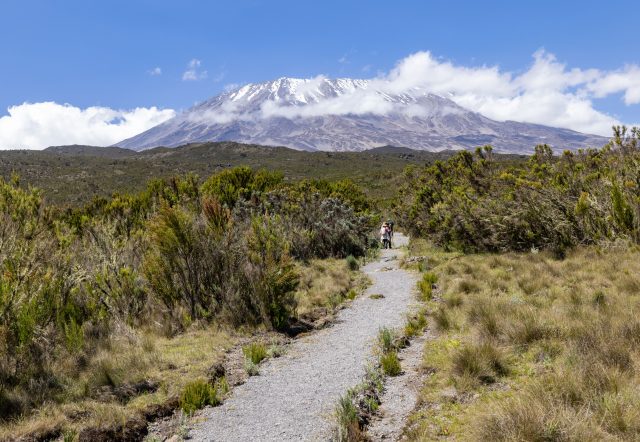
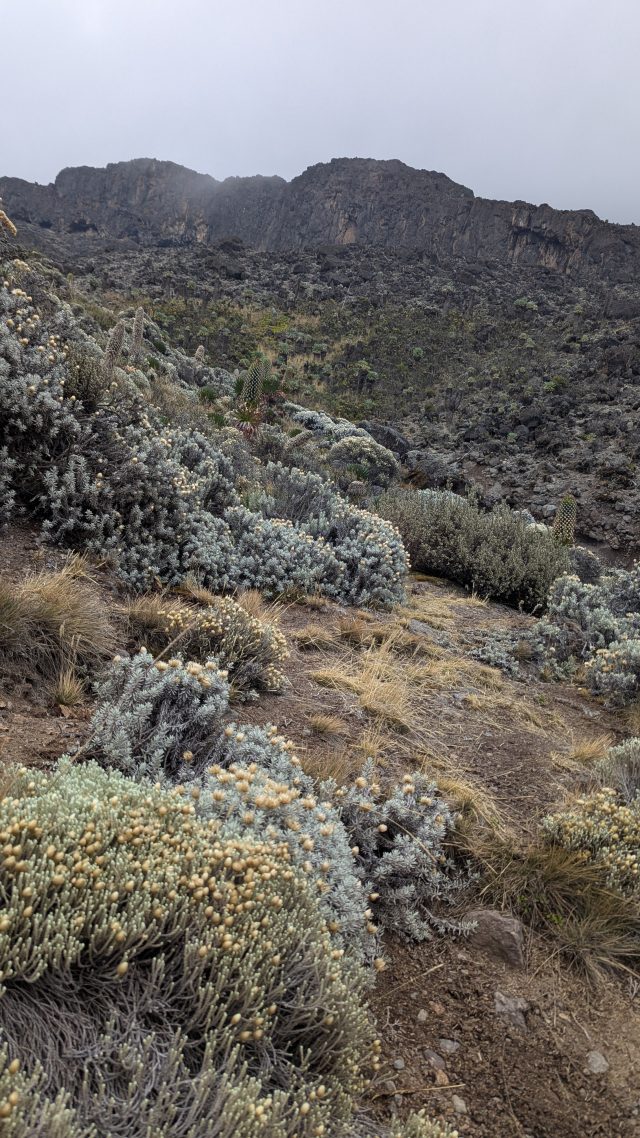
Umbwe offers an adventurous beginning, with quieter forest trails before joining the busier southern circuit at Barranco. The landscape changes throughout the journey, introducing heathland, giant groundsels, rocky alpine terrain, and expansive mountain views when the weather is clear.
This itinerary includes an additional day at Barranco Camp, followed by separate overnight stops at Karanga and Barafu. However, the first two days gain altitude quickly, making the route demanding even for physically fit travellers. It is generally better suited to experienced hikers who are comfortable with sustained uphill walking and basic camping conditions.
The package itinerary covers seven mountain days and six camping nights. Hotel accommodation, airport transfers, and arrival or departure days are included only when stated in your quotation.
Key Highlights
- Begin your adventure on Kilimanjaro’s steep southern forest trails.
- Follow a ridge from rainforest into heathland and moorland.
- Discover the distinctive vegetation of Barranco Valley.
- Spend two nights at Barranco for additional adjustment time.
- Experience the Barranco Wall with your mountain guide.
- Stay at Karanga before moving to summit base camp.
- Attempt Uhuru Peak through Barafu and Stella Point.
- Return through the Mweka Route for a different descent landscape.
- Request a package that clearly explains equipment, transfers, and additional expenses.
Tour Facts
| Tour Detail | Information |
|---|---|
| Package name | 7 Days Umbwe Route Kilimanjaro Package |
| Destination | Mount Kilimanjaro, Tanzania |
| Travel years | 2026/2027 |
| Mountain duration | Seven days and six nights |
| Starting trailhead | Umbwe Gate |
| Accommodation | Tented mountain camps |
| Highest objective | Uhuru Peak, 5,895 metres |
| Difficulty | Very challenging |
| Acclimatisation day | Day 3 at Barranco Camp |
| Summit attempt | Day 6 |
| Summit approach | Barafu Camp and Stella Point |
| Descent route | Mweka |
| Finishing trailhead | Mweka Gate |
| Starting town | Moshi or Arusha, as agreed |
| Departure style | Private or available shared departure, subject to confirmation |
| Price | Tailored quotation based on dates, group size, and services |
Starting Point and Destination
Your mountain journey starts at Umbwe Gate, reached by road from your agreed accommodation. Registration and final preparations take place before entering the rainforest.
The highest objective is Uhuru Peak. This itinerary approaches the summit through Barafu Camp and Stella Point; it does not use the Western Breach.
After the summit attempt, descend to Mweka Camp and continue to Mweka Gate on the final day. Your arranged transfer then takes you back to the town or hotel identified in your booking.
Before the Trek: Arrival and Preparation
Arrive at least one day before the climb to allow time for a briefing and equipment inspection. Meet your guide, review the daily schedule, and discuss the demands of the opening ascent.
Check your boots, waterproof clothing, sleeping bag, warm layers, and headlamp. Any missing items should be identified early so rental availability can be confirmed.
Share your dietary requirements and relevant health concerns. Your briefing should also explain daypack contents, porter-carried luggage, storage of belongings left in town, and the next morning’s collection arrangements.
What Your Package Should Cover
A clear proposal should explain the mountain services, equipment, transport, and accommodation supplied. The following table outlines common arrangements rather than confirmed inclusions for every booking.
| Package Component | Details to Confirm |
|---|---|
| Mountain team | Guide, cook, and porter arrangements |
| Park charges | Entry, camping, applicable rescue fees, and taxes |
| Mountain accommodation | Six camping nights and tent-sharing arrangements |
| Sleeping equipment | Mats and whether sleeping bags are supplied or rented |
| Dining facilities | Meal service and any dining tent provision |
| Meals | Food supplied during each trekking day |
| Drinking water | Treatment and daily provision |
| Gate transfers | Collection and return locations |
| Hotel stays | Property, room type, and number of nights |
| Airport transfers | Arrival and departure transport, if included |
| Emergency arrangements | Communication, equipment, and evacuation procedures |
Expenses Usually Paid Separately
Flights, visa costs, personal travel insurance, crew tips, and personal purchases are commonly outside the trekking price.
Equipment hire, single-tent supplements, hotel upgrades, and additional transfers may also be charged separately. Your quotation should identify these clearly.
Ask how an early descent affects transport and accommodation costs. Park rescue charges should not be assumed to cover every evacuation or medical expense.
Camping Accommodation
All six mountain nights use tents at designated camps. Expect basic facilities rather than hotel-style rooms or Marangu sleeping huts.
Confirm whether tents are shared and whether a single tent is available for an additional charge. Sleeping-bag suitability is particularly important because nights become colder as you gain height.
Keep belongings organised in waterproof bags. This helps protect clothing during wet weather and makes essential items easier to find after arrival at camp.
Meals and Drinking Water
A supported camping package normally includes food prepared by a mountain cook. Depending on the stage, lunch may be served on the trail or at camp.
Meal selections vary by operator and available supplies, so request information rather than assuming a fixed menu. Share allergies, vegetarian preferences, and other dietary requirements before departure.
Confirm how drinking water is treated and supplied, including the arrangements for summit night.
Difficulty and Acclimatisation
Umbwe’s main challenge is the combination of steep terrain and rapid early altitude gain. The route reaches Barranco by the end of Day 2, leaving limited time for gradual adjustment during the opening ascent.
The additional Barranco day gives more time than an otherwise equivalent six-day itinerary. However, fitness alone does not determine how well you acclimatise.
Experienced hikers who enjoy demanding trails may find this route appealing. Travellers seeking a more gradual ascent should compare longer alternatives before choosing.
Best Time to Travel
| Recommended Period | General Conditions |
|---|---|
| January–February | Generally drier conditions and opportunities for clear views |
| Late June–September | Main dry-season period, generally favourable for trekking |
Wet conditions make the lower trail more difficult, particularly where roots and mud affect footing. Waterproof clothing remains necessary throughout the year.
These seasonal patterns help with planning; they are not forecasts for individual departures. Wind, snowfall, and freezing temperatures remain possible higher on the mountain.
Equipment and Personal Preparation
Prepare with longer walks, uphill hikes, and controlled descents. Practise carrying your daypack and wear your intended boots during training.
| Equipment Category | Items to Prepare |
|---|---|
| Footwear | Broken-in hiking boots and trekking socks |
| Rain protection | Waterproof jacket, trousers, and bag protection |
| Warm clothing | Base layers, fleece, insulated jacket, hat, and gloves |
| Walking equipment | Daypack and trekking poles |
| Summit essentials | Headlamp, spare batteries, snacks, and water containers |
| Sleeping equipment | Sleeping bag suitable for cold mountain nights |
| Sun protection | Sunglasses, sunscreen, and lip protection |
| Personal items | Toiletries and personal medication |
Request a complete equipment checklist early. Confirm rental availability and prices before relying on hired items.
Private and Shared Departure Options
A private departure allows you to travel with your chosen companions and discuss preferred dates. The route schedule remains subject to park arrangements, weather, and guide decisions.
An available shared departure may suit solo travellers or smaller parties who want to trek with others. Ask about group size, tent sharing, and how guides support people walking at different speeds.
Both options require confirmation of availability and staffing.
Price and Booking for 2026/2027
The package price depends on your travel dates, group size, hotel choices, equipment needs, and transport requirements.
Request an itemised quotation showing the full cost and optional extras. Compare proposals by looking at the services provided, rather than the headline price alone.
Before paying, review:
- The deposit and balance deadline.
- Cancellation and rescheduling conditions.
- Confirmed inclusions and exclusions.
- Equipment rental and single-tent charges.
- Arrangements for an early descent.
- Hotel and transfer details.
Why Choose This Seven-Day Adventure?
- Distinctive scenery: Experience rainforest, ridges, valleys, and exposed high camps.
- Additional recovery time: Spend a second night at Barranco.
- Separate summit-approach stages: Stay at Karanga and Barafu before the overnight ascent.
- A different return route: Descend through Mweka.
- A demanding trekking experience: Choose a route suited to your preparation and hiking background.
- Flexible holiday planning: Discuss accommodation and extensions with Kilinge Adventures.
A well-planned package brings these elements together while making costs and responsibilities clear.
Frequently Asked Questions
- Does the package include a summit attempt?
Yes. The itinerary includes an attempt to reach Uhuru Peak on Day 6. Reaching the summit depends on your condition, weather, and guide decisions.
- Is this suitable for a first-time trekker?
Umbwe is generally better suited to experienced hikers. Beginners should discuss more gradual alternatives before booking.
- Why are there two nights at Barranco?
The additional night provides time for recovery and acclimatisation after the rapid opening ascent.
- Are airport transfers included?
Only if listed in your quotation. Confirm arrival and departure transport separately from gate transfers.
- Do I need to bring a sleeping bag?
That depends on the package. Ask whether a suitable bag is included, available for hire, or must be supplied by you.
- Are crew tips included in the price?
They are usually separate. Request the operator’s guidance before travelling.
- Can dietary requirements be accommodated?
Discuss your needs before confirming the booking. Specific arrangements depend on available supplies and the mountain kitchen.
- What happens if I need to descend early?
Your operator should explain accompanying staff, transport, accommodation, and possible additional costs in advance.
- Does this itinerary use the Western Breach?
No. It follows Barranco, Karanga, and Barafu, approaching the summit through Stella Point.
- Can I combine the climb with a safari?
Ask Kilinge Adventures for an extension proposal. Allow recovery time and request separate pricing for the additional services.
Request Your Umbwe Package Quote
Plan your mountain journey with a clear schedule and arrangements matched to your needs.
Contact Kilinge Adventures with your preferred 2026/2027 dates, number of travellers, hiking experience, starting town, and accommodation preferences. Request availability, an itemised quotation, and an equipment checklist for your seven-day Umbwe package.
Book this Tour with Kilinge Adventures
Apart from this, you may read and write some reviews for us from Safari Bookings.
Also, you may read and write reviews for us from TripAdvisor
- Day 1
- Day 2
- Day 3
- Day 4
- Day 5
- Day 6
- Day 7
Umbwe Gate to Umbwe Camp
The trail becomes progressively steeper, with roots and uneven steps requiring careful footing. Mud is possible after rainfall, so keep waterproof clothing accessible and avoid rushing.
This first stage introduces the rhythm of mountain trekking: steady walking, regular breaks, and attention to how you feel. Birds may be heard along the trail, while occasional monkey sightings are possible but unpredictable.
Reach Umbwe Camp for dinner and your first night in tents.
| Day Detail | Information |
|---|---|
| Starting elevation | Approximately 1,600 metres |
| Overnight elevation | Approximately 2,850 metres |
| Hiking time | Approximately 5–7 hours |
| Landscape | Montane rainforest |
| Main challenge | Steep ground, roots, and possible mud |
| Overnight | Tent at Umbwe Camp |
Umbwe Camp to Barranco Camp
Clear weather may reveal views toward the upper mountain and surrounding valleys. Despite the changing scenery, the main demand is the substantial altitude gain, so maintain a controlled pace.
Tell your guide promptly if you feel unwell. Reaching camp quickly should not become the day’s objective.
The trail eventually enters Barranco Valley, where giant groundsels and the imposing Barranco Wall create a striking setting. Have dinner and rest after the ascent.
| Day Detail | Information |
|---|---|
| Starting elevation | Approximately 2,850 metres |
| Overnight elevation | Approximately 3,900–4,000 metres |
| Hiking time | Approximately 4–6 hours |
| Landscape | Ridge terrain, heathland, and moorland |
| Main challenge | Rapid altitude gain |
| Overnight | Tent at Barranco Camp |
Acclimatisation at Barranco Camp
Depending on your condition and the weather, your guide may arrange a short acclimatisation walk before returning to camp. The activity should be adapted to how you feel.
Use the remaining time to rest, eat, and organise your equipment. Barranco’s valley scenery offers a rewarding setting for this pause, especially when the upper mountain becomes visible.
The extra day supports acclimatisation, but it does not guarantee that everyone will be able to continue higher.
| Day Detail | Information |
|---|---|
| Location | Barranco Camp |
| Overnight elevation | Approximately 3,900–4,000 metres |
| Activity | Rest and a guide-planned short walk |
| Main purpose | Acclimatisation and recovery |
| Overnight | Second night at Barranco Camp |
Barranco Camp to Karanga Camp
Follow your guide’s instructions through narrow passages and allow room for other trekkers. The standard section generally does not require technical climbing equipment, although careful movement is essential.
Above the wall, continue across ridges and valleys before descending into Karanga Valley. A final uphill section brings you to camp.
After lunch, rest before the next stage. Any afternoon walk should depend on your condition.
| Day Detail | Information |
|---|---|
| Starting elevation | Approximately 3,900–4,000 metres |
| Overnight elevation | Approximately 4,000 metres |
| Hiking time | Approximately 4–5 hours |
| Main experience | Barranco Wall and valley crossings |
| Overnight | Tent at Karanga Camp |
Karanga Camp to Barafu Camp
Although the walking stage is shorter, the altitude makes patient pacing important. Arrive with time to eat, prepare your summit equipment, and rest.
Your guide will explain the overnight schedule and expected conditions. Organise your insulated clothing, gloves, headlamp, snacks, and water containers before an early dinner.
Keep warm layers accessible, as wind and cold can be noticeable even during the afternoon.
| Day Detail | Information |
|---|---|
| Starting elevation | Approximately 4,000 metres |
| Overnight elevation | Approximately 4,670 metres |
| Hiking time | Approximately 3–5 hours |
| Landscape | Alpine desert |
| Main activity | Summit preparation |
| Overnight | Tent at Barafu Camp |
Barafu to Uhuru Peak, Then Mweka Camp
Darkness, freezing temperatures, thin air, and fatigue make this the most demanding stage. Follow the pace set by your guide and communicate how you are feeling.
From Stella Point, continue toward Uhuru Peak if your condition and circumstances permit. After a brief summit stop, descend to Barafu for food and rest.
Continue down to Mweka Camp. The long descent requires concentration, particularly on tired legs and loose ground.
Your guide may turn you around when necessary. Summit completion is never guaranteed.
| Day Detail | Information |
|---|---|
| Departure | Usually around midnight |
| Crater-rim point | Stella Point, approximately 5,756 metres |
| Highest objective | Uhuru Peak, 5,895 metres |
| Total duration | Approximately 12–16 hours or longer, including breaks |
| Overnight elevation | Approximately 3,100 metres |
| Overnight | Tent at Mweka Camp |
Mweka Camp to Mweka Gate
Complete sign-out procedures at Mweka Gate and collect a certificate if eligible. Meet your arranged vehicle for the return transfer.
Back at your accommodation, take time to shower, eat, and recover before onward travel.
| Day Detail | Information |
|---|---|
| Starting elevation | Approximately 3,100 metres |
| Finishing elevation | Approximately 1,640 metres |
| Hiking time | Approximately 3–5 hours |
| Landscape | Rainforest |
| After the trek | Transfer to your agreed town or hotel |
After the Climb
Allow separate time for departure or onward travel. Avoid booking a tightly scheduled connection immediately after the final descent.If you want to extend your holiday, ask about a Tanzania safari, cultural excursion, or Zanzibar stay. Request separate pricing for these activities, accommodation, and transfers.